Russian military expansion in Libya sparks regional security concerns
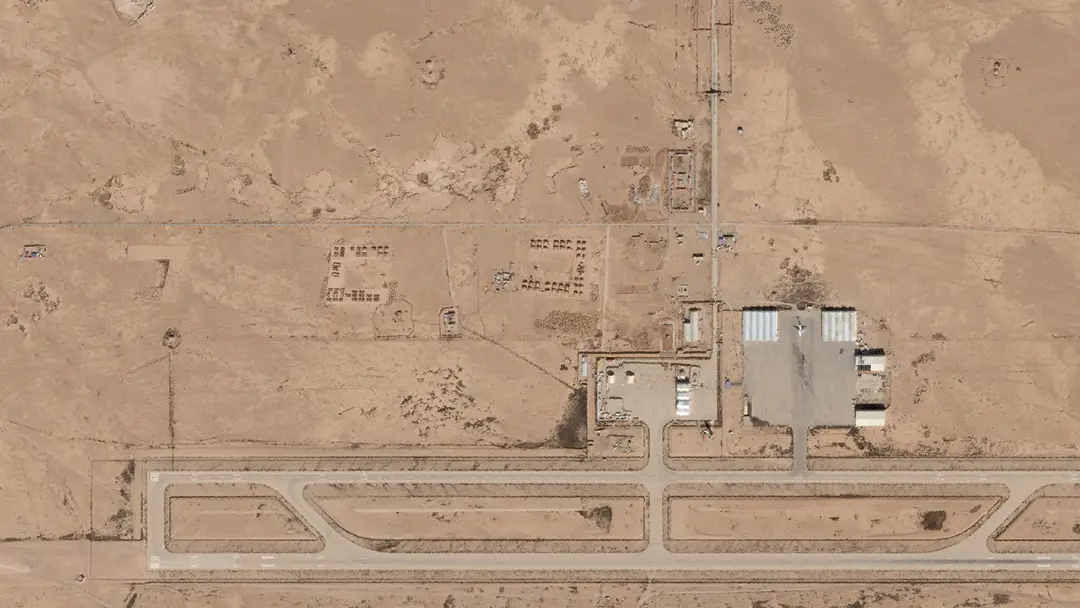
Russia’s Strategic Military Buildup in Libyan Air Bases
Russia’s expanding military activities across six key air bases in Libya signal a deliberate strategy to deepen its influence in North Africa while facilitating arms transfers and combatant movements into conflict zones.
Reports from Tearline data indicate Moscow’s involvement spans infrastructure development, logistical support, and direct personnel deployment. These bases—Al-Joufra, Al-Khadim, Al-Qardabiyah, Brak Al-Shati, Maaten al-Sarra, and Tamenhant—are strategically positioned across the country, each equipped with advanced military hardware such as air defense systems, MiG-29 fighter jets, and unmanned aerial vehicles. Russian military personnel and affiliated mercenaries are actively operating within these facilities.
Efforts to secure Libyan ports initially stalled, prompting Russia to pivot toward inland airfields. The Maaten al-Sarra base, once abandoned after 2011, has been revitalized with Syrian military support since late 2024. Analysts warn this hub enables covert arms trafficking into Chad, Sudan, Burkina Faso, and Mali, undermining regional stability.
Maaten al-Sarra: A Key Hub for Sahel Operations
The Maaten al-Sarra base’s proximity to multiple borders makes it a critical node for Russian logistics. Following its restoration, the airfield now serves as a staging ground for destabilization campaigns in the Sahel, with Russian technicians and Syrian troops upgrading runways and storage facilities.
Strategic analysts highlight the base’s dual-use potential: “A Russian foothold in Matan al-Sarra would allow Moscow to clandestinely supply weapons to Sudanese or Chadian territories,” notes security expert Andrew McGregor.
Beyond arms trafficking, Russia’s presence complicates Libya’s fragile unity process. Foreign-backed factions leverage Russian support to resist peace initiatives, prolonging the country’s division and humanitarian crises.
Al-Khadim: A Logistical and Strategic Outpost
Located 100 km east of Benghazi, the Al-Khadim base has emerged as a central transit point for weapons and resource trafficking. Recent expansions include three new hangars, recreational facilities, and potential communication towers, with additional barracks confirmed in 2026.
Open-source investigations revealed a Gazprom executive’s 2023 visit to a Russia-controlled mine in the Central African Republic, documented via social media posts. Geolocation tools confirmed a Russian infantry officer from the 102nd Motorized Rifle Division stationed at Al-Khadim, reinforcing Moscow’s operational footprint.
Al-Joufra: Reinforced Infrastructure and Operational Readiness
Since 2019, Russian paramilitary forces have utilized the Al-Joufra base in central Libya. Recent upgrades include refurbished hangars, storage units, perimeter barriers, and defensive berms, enhancing the base’s operational capacity.
Al-Qardabiyah: Modernized Military Infrastructure
Russian forces first appeared at the Al-Qardabiyah base in 2022, adjacent to the Syrte International Airport. Major renovations in 2024 included runway repairs, new perimeter defenses, and a repaired hangar this year, solidifying its role as a key military asset.
Brak Al-Shati: Rising Military Footprint
Since March 2024, Russian operations at Brak Al-Shati in southwestern Libya have expanded significantly. Recent construction includes a new hangar and two maintenance buildings, while personnel numbers surged from 300 to 450 since December 2024.
Tamenhant: Wagner’s Legacy and Africa Corps’ Role
Originally a Wagner Group stronghold, the Tamenhant base in southern Libya has seen recent expansion projects, including new accommodations, renovated roads linking hangars to runways, and runway modifications. The base has historically facilitated military operations and arms deliveries to Sudan.