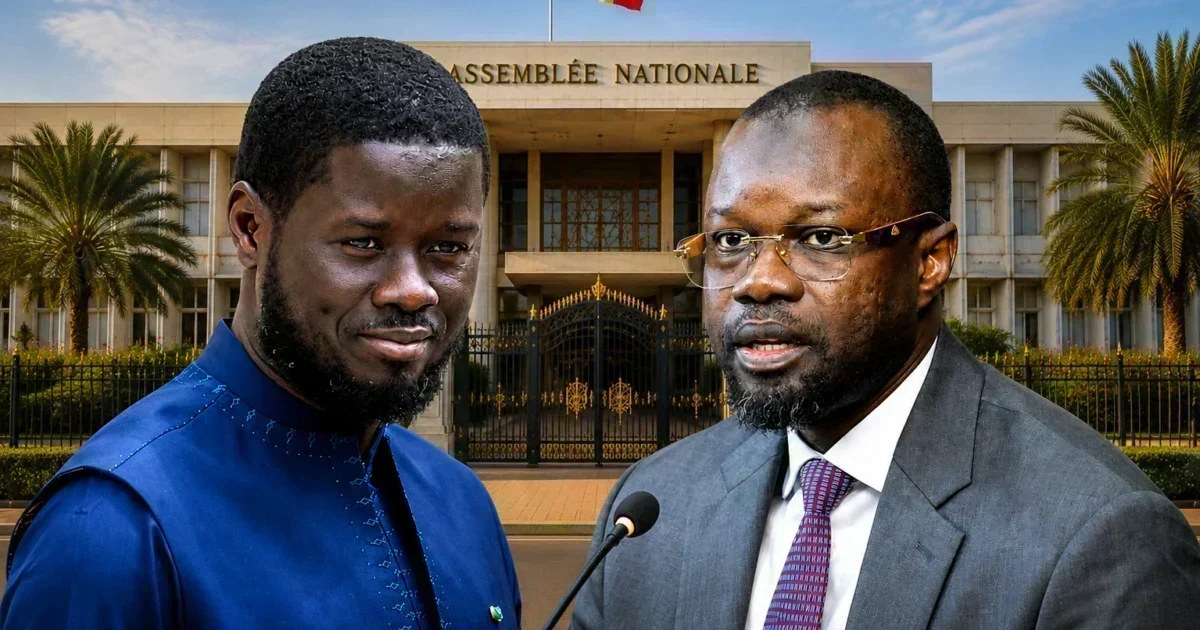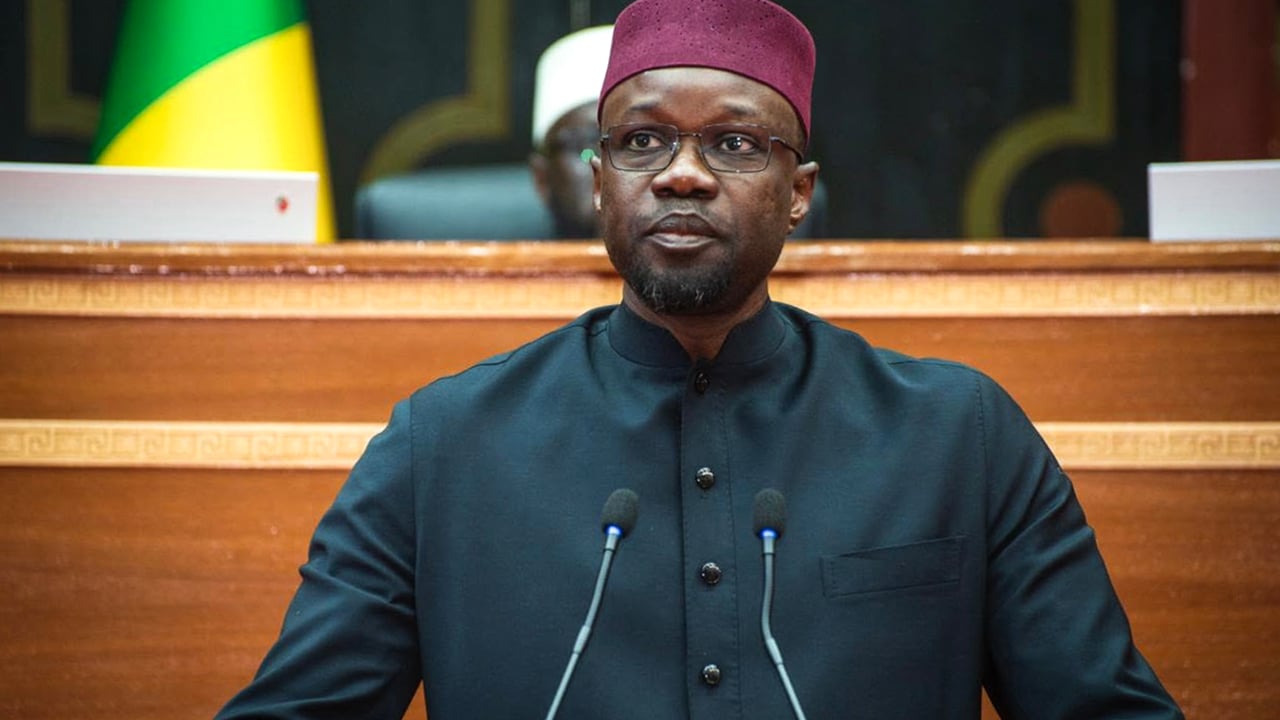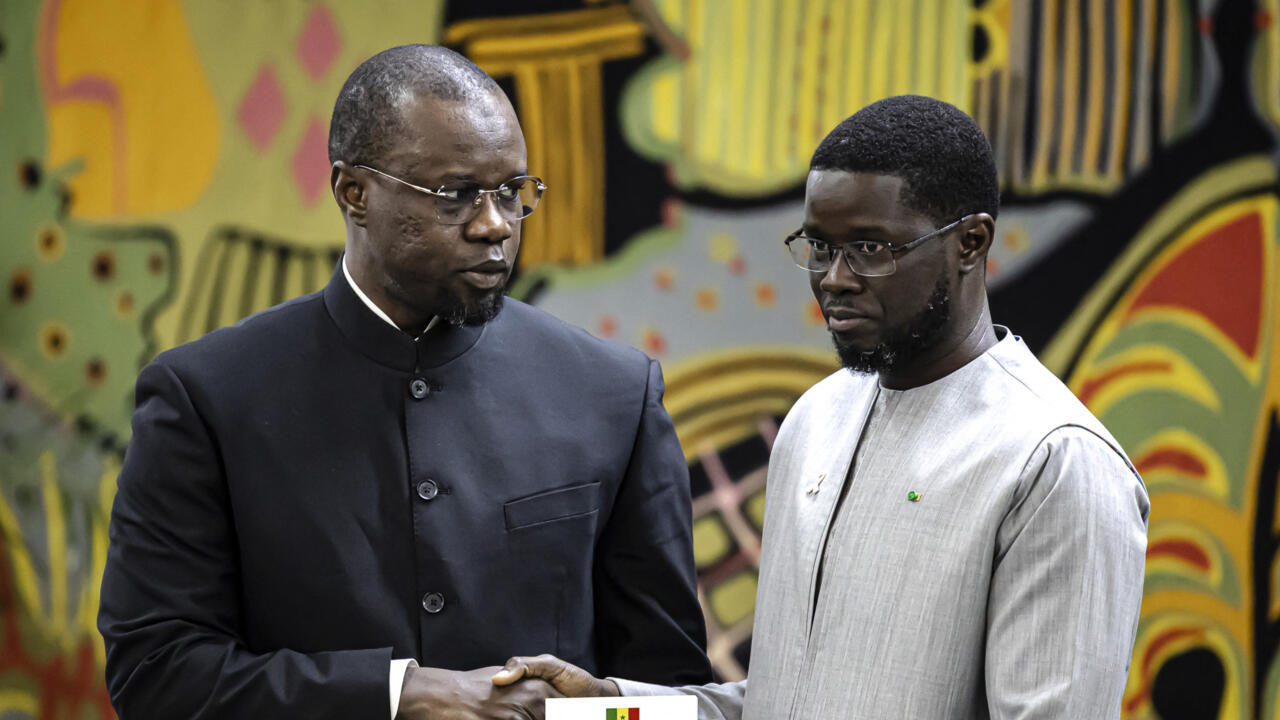
On Friday, May 22, President Bassirou Diomaye Faye made the unexpected decision to dismiss his long-time ally, Ousmane Sonko, from his position as Prime Minister, along with the entire government. By Sunday, the former Prime Minister had already resumed his duties as a member of parliament. Meanwhile, Malick Ndiaye, the President of the National Assembly, announced his resignation. The election of a new Assembly President is scheduled for Tuesday, with Ousmane Sonko emerging as a potential candidate. This sequence of events signals a looming confrontation between the executive and legislative branches of government.
a clash rooted in deep contradictions
Political observers had long predicted the breakdown of the partnership between Faye and Sonko. As one prominent Senegalese news outlet noted, “The Faye-Sonko configuration carried an inherent and insurmountable contradiction. Not because of a lack of talent or divergent political visions, but because a republic cannot function as a jazz duo where two soloists improvise without a shared framework. Executive power, by its very nature, is unitary. African history, from Nkrumah to Sankara, from Modibo Keïta to Laurent-Désiré Kabila, teaches us that cohabitations at the highest level between two equally strong figures always end the same way: with one being sidelined or both being destroyed.”
months of escalating tensions
Tensions between the two leaders had been simmering for months. As another local news source reported, “This outcome stems from months of growing rifts between two men who rose to power together in April 2024, riding a wave of unprecedented popular hope. The split was already visible last July, when the first cracks appeared in their partnership. Ousmane Sonko raised concerns about a lack of authority, accusing the President of failing to defend him adequately against political attacks. The final break came just hours after a parliamentary session where the former Prime Minister publicly challenged several presidential decisions, including the management of political funds. He bluntly stated that the President had made an error.
executive vs. legislature: what lies ahead?
Will Ousmane Sonko become the President’s main opponent? With his immense popularity, Sonko poses a significant threat to Bassirou Diomaye Faye. The next major showdown is likely to unfold in the National Assembly. “The political battle could shift to the legislative chamber, creating a direct confrontation between the head of state and the Assembly,” warned Moussa Diaw, a political science professor at the Université Gaston-Berger in Saint-Louis. He emphasized the risks of government paralysis, particularly as the executive branch prepares to present four critical reform bills—constitutional revision, the Constitutional Court, political parties, and the creation of an independent national electoral commission—all of which require Assembly approval.
The political landscape now appears divided: the Pastef, led by Ousmane Sonko, versus the Diomaye Faye Coalition. This sets the stage for a fierce power struggle between the executive and legislative branches, with the 2027 local elections and, more importantly, the 2029 presidential election looming on the horizon. The move has left many Pastef supporters, especially young Senegalese who once placed their hopes in the Faye-Sonko duo, uncertain and disillusioned about where to turn.
can Ousmane Sonko turn the tide?
Political analysts suggest that Ousmane Sonko may hold the upper hand in this confrontation. As noted by Adrien Poussou, a former Central African minister of Communication and geopolitical analyst, “The battle has just begun, and Sonko could emerge victorious. Senegal’s political reality is unforgiving: the Pastef movement dominates the national scene thanks to an exceptional grassroots mobilization, a youthful and energized base, and a compelling narrative forged during years of opposition to the Macky Sall regime. In this context, Sonko remains the central figure. Even when barred from running in last year’s presidential election, his leadership continued to embody the hope for change. While the President retains institutional legitimacy, Sonko’s enduring popular and militant legitimacy could prove decisive in any future political or electoral showdown.”