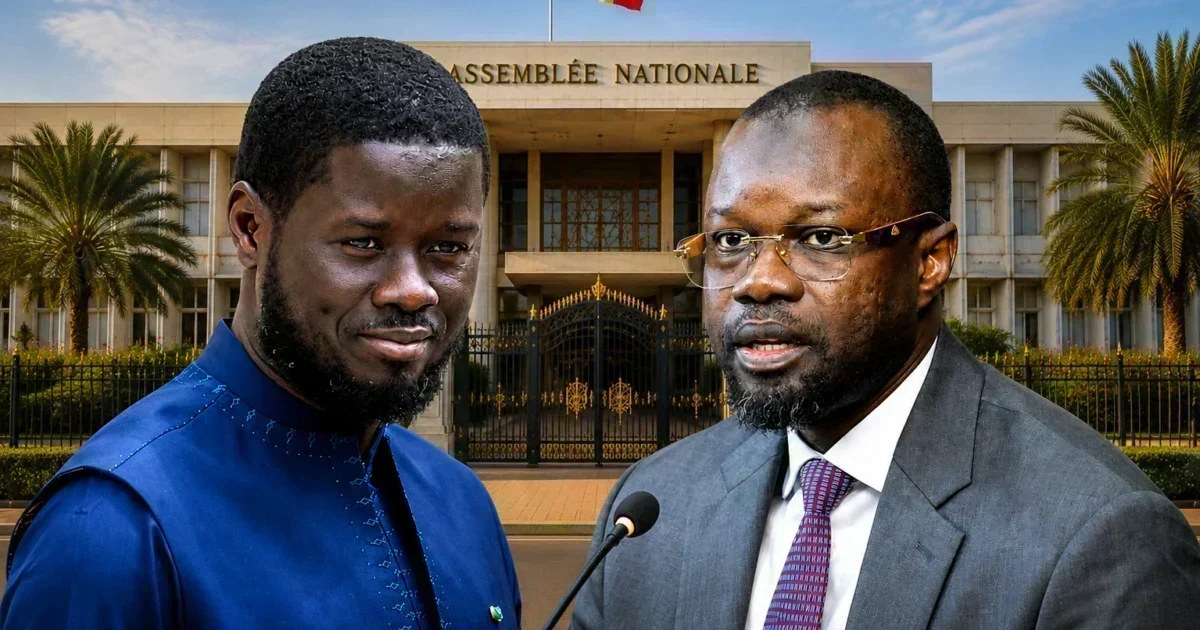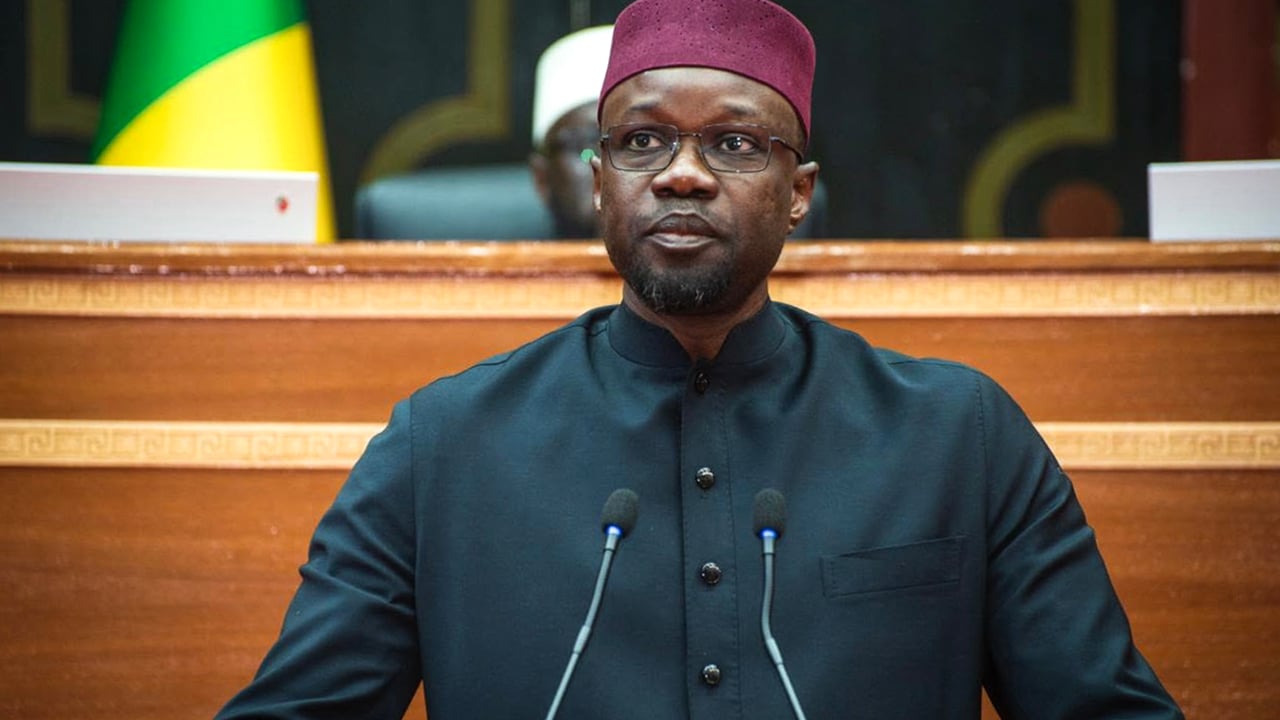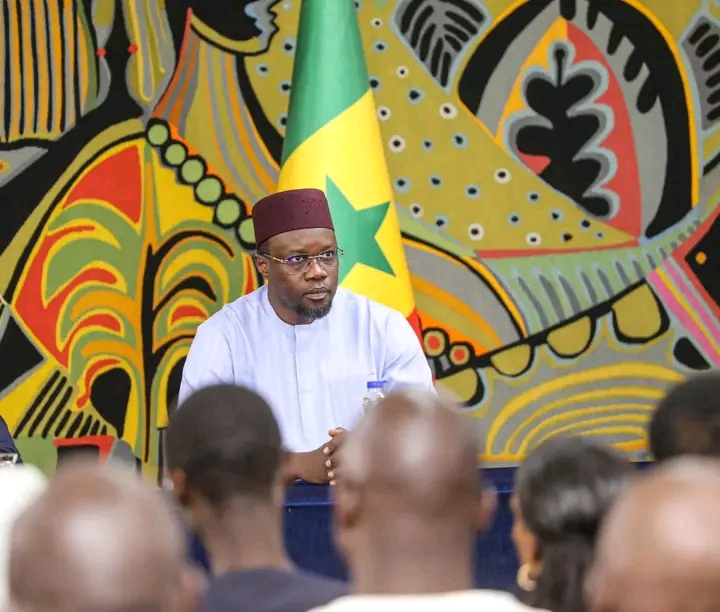
In a high-stakes interministerial session held in Dakar on May 21, Senegalese Prime Minister Ousmane Sonko delivered a scathing assessment of the country’s governance under the previous administration. The session, which brought together cabinet members, revealed alarming findings from a comprehensive audit of public infrastructure and asset management.
The audit uncovered 245 stalled or underutilized projects across the nation, with an estimated cost exceeding 5,000 billion FCFA—nearly matching Senegal’s annual national budget. Sonko described the findings as “beyond comprehension,” highlighting what he termed “sheer waste” of public resources. Among the most glaring examples was the Lycée de Sandiara, a project initiated in 2014 that remains unfinished after 12 years of construction.
Current project paralysis is equally concerning. Out of 94 ongoing initiatives nationwide, 62 have ground to a halt, consuming over 5,227 billion FCFA. Sonko’s frustration was palpable as he questioned the feasibility of such prolonged mismanagement: “Twelve years to build a single high school? This is not just inefficiency—it is a national embarrassment.”
Accountability under scrutiny
Sonko’s address extended beyond financial mismanagement, targeting the judiciary’s role in what he perceives as a systemic failure to hold former officials accountable. He accused magistrates of shielding “political elites” linked to alleged embezzlement and called out what he described as “judicial sabotage.”
“At times, I question if it’s worth continuing,” Sonko admitted. “In this country, you can commit any offense and still enjoy protection. The system remains untouched.” He warned that the government would “raise its voice” in the coming weeks, signaling a potential escalation in its demands for transparency and legal accountability.
The Prime Minister’s remarks underscored a broader crisis in governance, where institutional inertia and perceived corruption have eroded public trust. As Senegal navigates this pivotal moment, Sonko’s call for systemic reform resonates as both a challenge and an opportunity for the nation’s future.