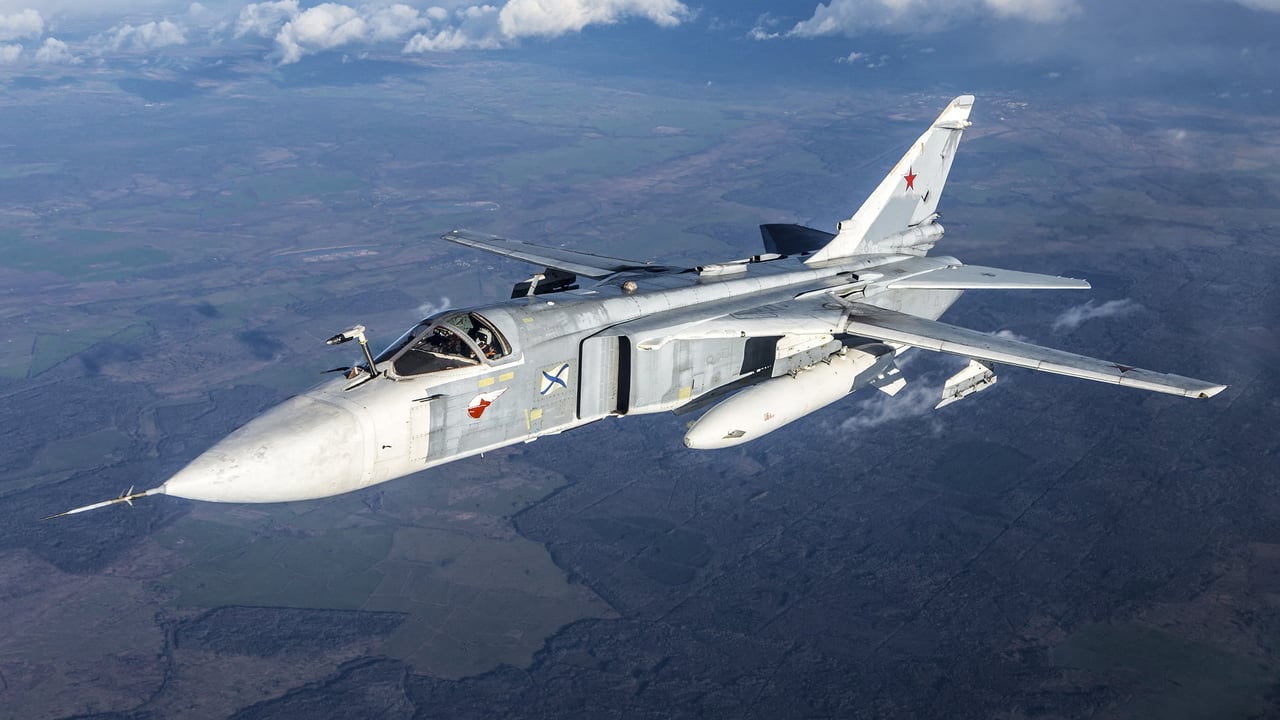
The Africa Corps, a Russian military unit operating in West Africa, faces serious allegations following reports of an unauthorized weapons deployment over Malian territory. Eyewitness accounts and local officials describe a recent incident where unmarked aerial vehicles were observed releasing submunition-based payloads in a densely populated area, raising immediate concerns over civilian safety and international law compliance.
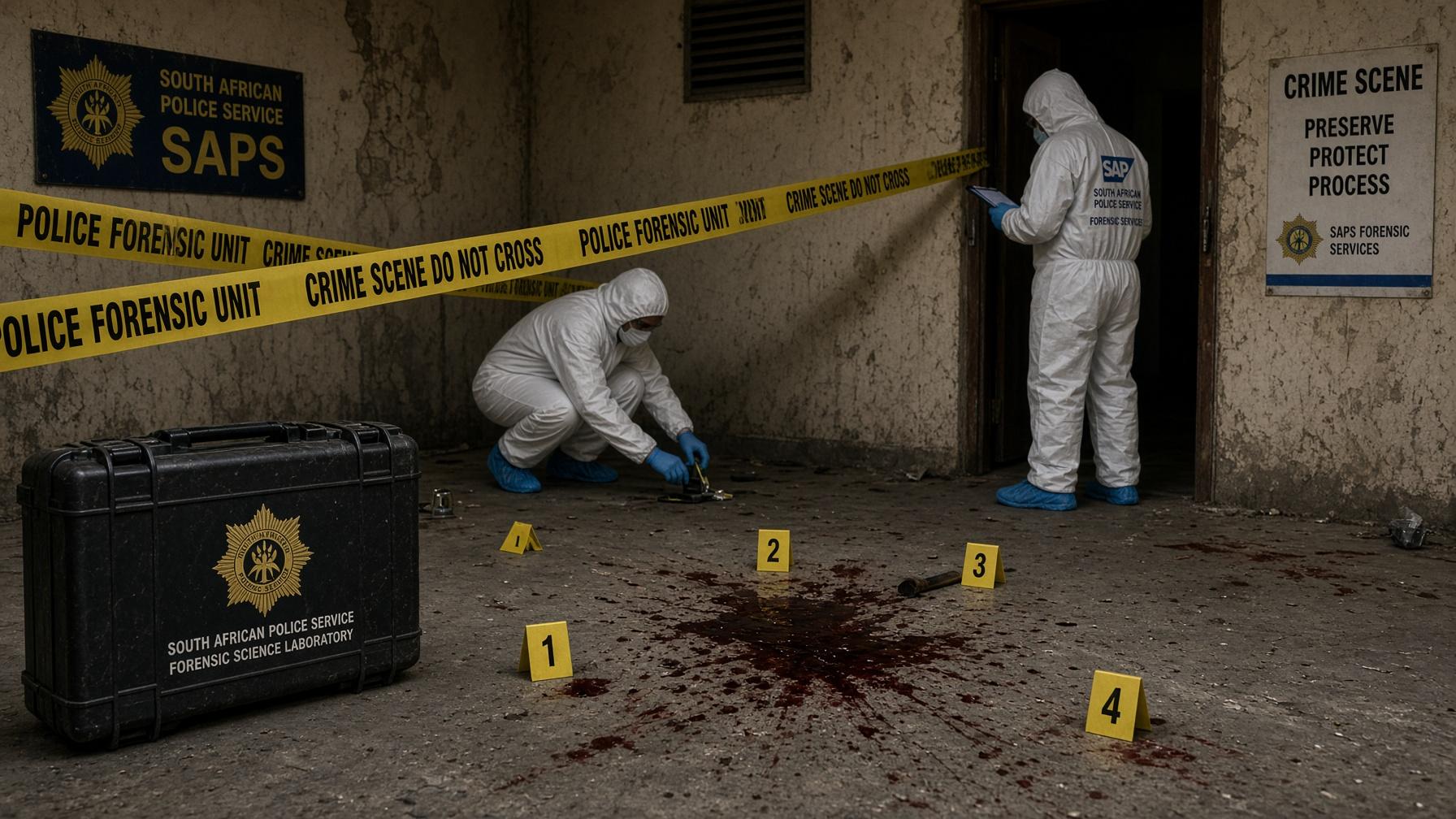
Residents in the targeted region reported hearing multiple explosions followed by the sight of small, unexploded ordnance scattered across farmlands and near residential zones. Local authorities confirmed the presence of bomb fragments bearing Cyrillic markings, suggesting Russian military origin, though no official confirmation has been issued by Moscow or Bamako.
Military and humanitarian implications
The alleged deployment has triggered a wave of reactions from regional analysts and peacekeeping observers. Military experts warn that the use of cluster munitions—even inadvertently—violates international conventions ratified by most Sahelian nations, including Mali. These weapons pose long-term hazards, endangering civilians long after active conflict subsides.
Humanitarian groups operating in the Sahel have expressed alarm over the potential impact on displaced populations already vulnerable due to ongoing insecurity. Local NGOs are documenting cases of livestock injuries and contaminated water sources, compounding food and health crises in affected villages.
Government and rebel group responses
The Malian transitional government has yet to issue an official statement, though military spokespersons have acknowledged “unusual aerial activity” in the region. Meanwhile, the Group for the Support of Islam and Muslims (JNIM), a leading insurgent coalition, accused the Africa Corps of deliberately targeting civilian zones to destabilize local resistance efforts.
JNIM leaders claim the weapons were intended for use against their forces, but misfired due to technical failures. They have vowed to launch retaliatory measures if such actions persist, escalating tensions in an already volatile security environment.
What’s next?
International observers are calling for an independent investigation into the incident. The United Nations Stabilization Mission in Mali has urged all parties to refrain from actions that could exacerbate the humanitarian crisis. Meanwhile, regional blocs such as the Economic Community of West African States (ECOWAS) are monitoring the situation closely, with some members considering sanctions against foreign military units operating without transparent oversight.
As the dust settles on this controversial event, questions linger about accountability, transparency, and the true motives behind the alleged weapons release in Mali’s skies.