Bamako residents defy jihadist blockade to celebrate Eid al-Adha
For the first time in three decades, Alpha Amadou Kané will celebrate Eid al-Adha without traveling to his hometown in central Mali. The 40-year-old Mopti native is among thousands of Bamako residents forced to abandon their annual pilgrimage home due to escalating jihadist attacks on transport routes.
Since late April, militants from Al-Qaeda’s Sahelian branch have enforced a partial blockade on key highways leading to the Malian capital. Dozens of passenger buses and freight trucks have been torched in coordinated ambushes, prompting transport companies to suspend services to Bamako. The sight of charred vehicles has deterred even the most determined travelers from risking the journey.
Eid al-Adha holds deep cultural significance in Mali, transcending its religious roots. The holiday serves as a vital social anchor, reuniting families separated by months of economic migration. This year, those reunions are being sacrificed to the realities of war.
Empty bus stations and soaring transport costs
Bamako’s once-bustling bus terminals now sit deserted on the eve of Eid. Beyond the ever-present security concerns, the transport sector faces a severe fuel shortage. “We’re not only struggling with irregular diesel supplies, but we’ve lost multiple buses to recent attacks. It’s a devastating economic blow,” confides a local travel agency manager who requested anonymity.
A major transport company’s operations chief reveals the stark reality: “Under normal circumstances, we’d move over 50,000 passengers from Bamako to rural areas for Eid. This year, we’re not operating any routes.”
Wara Bagayoko, who has followed the same tradition for 30 years, faces heartbreak this Eid. “I’ll be the first time in three decades I won’t celebrate with my village. The roads are simply too dangerous,” he laments. Even private vehicles have become targets in the escalating violence.
Sheep shortage drives up prices for Eid sacrifice
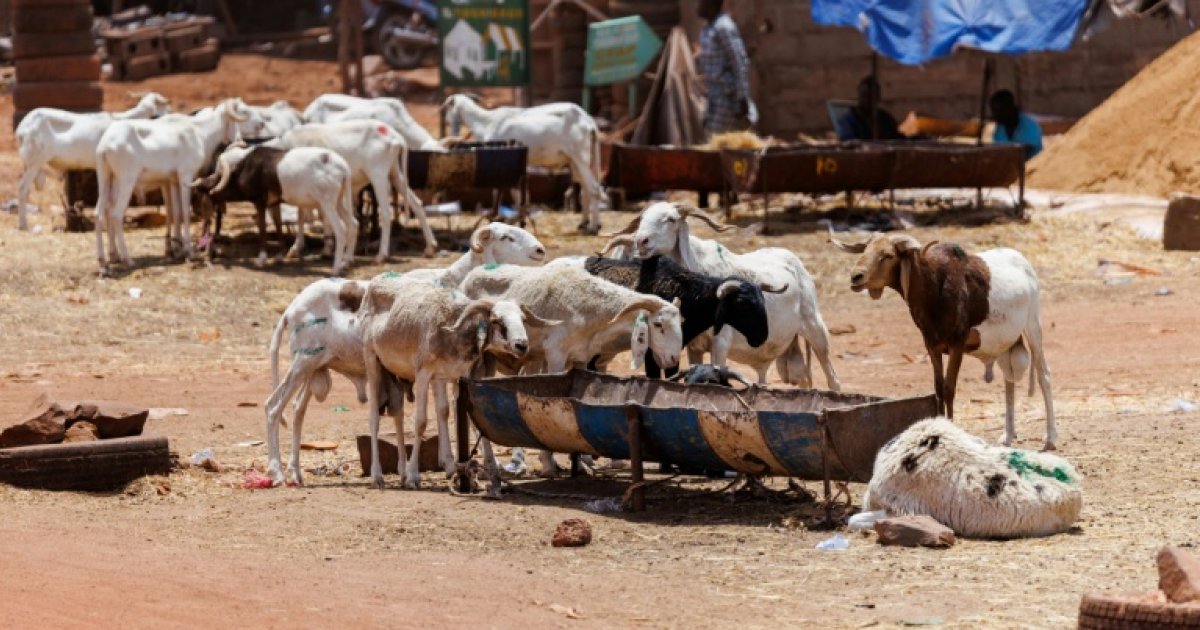
The transport blockade is crippling Mali’s livestock supply chain, crucial for the holiday’s sacrificial lambs. Herders and traders from pastoral regions are struggling to deliver animals to Bamako, the country’s primary market.
Transport costs for a single sheep have skyrocketed from 2,500–2,750 West African CFA francs (€4) to 15,000–18,000 francs (€22–27). “Many sheep transport trucks have been burned by jihadists. One vendor who normally handled over 1,000 head now has none,” explains Alassane Maïga, a transporter.
The scarcity has driven prices to unprecedented levels. “Sheep that cost 75,000 francs last year are now selling for 300,000 francs (€457). Before, shoppers had plenty of options. Now, quality animals are nearly invisible in Bamako,” says Iyi, a desperate customer searching for a suitable ram within her tight budget.
Power cuts and water shortages compound the crisis
Bamako residents face another battle against basic services. The capital is experiencing severe electricity blackouts and critical water shortages, disrupting daily life and holiday preparations.
Local tailors, who typically prepare festive garments called “Selifini,” are struggling to fulfill orders without reliable power. “I tried using a small solar panel, but it can’t replace mains electricity,” says Alou Diallo, a Bamako tailor.
Families are equally concerned about food preservation. “How can we store meat without electricity? Buying an expensive sheep only to lose the meat within 24 hours to power cuts is a nightmare,” shares a mother from the Sirakoro district.
In a rare positive development, Malian authorities recently announced the arrival of hundreds of fuel tankers in Bamako, offering hope for stabilizing the situation.
Despite the blockade, life in Bamako endures. Residents insist they won’t abandon their city, even as Eid al-Adha becomes a testament to resilience in the face of adversity.