Benin’s landmark political transition as Talon hands over to Wadagni
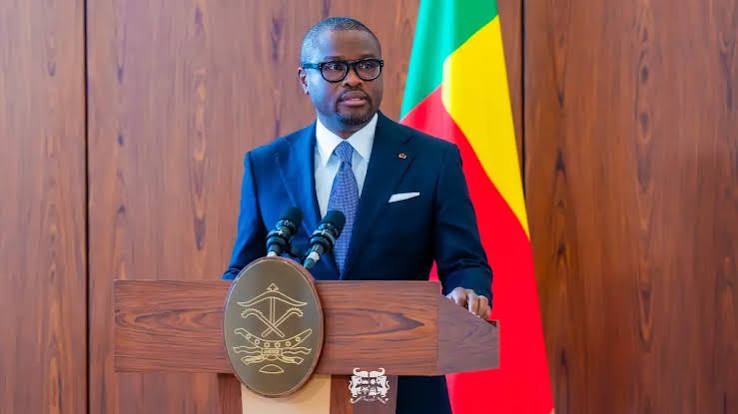
Cotonou, May 22, 2026 — Benin stands on the cusp of a defining political moment. As President-elect Romuald Wadagni prepares to take office this Sunday, outgoing President Patrice Talon delivered a farewell address laden with symbolic weight, political significance, and national unity. The nation now watches as one of West Africa’s most stable democracies undergoes a peaceful leadership transition.
After a decade in power, President Talon concluded his second term with a message that blended gratitude, institutional continuity, and a call for national cohesion under his successor.
Symbolic transfer of power in the heart of West Africa
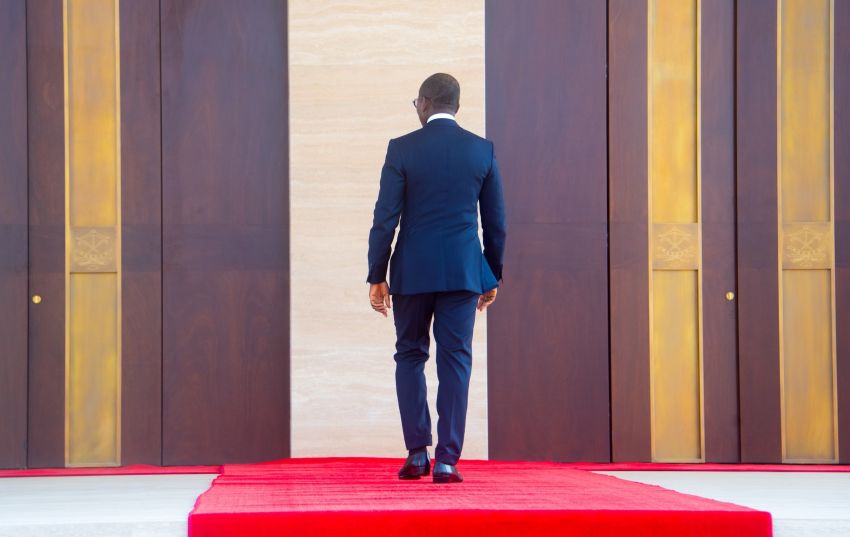
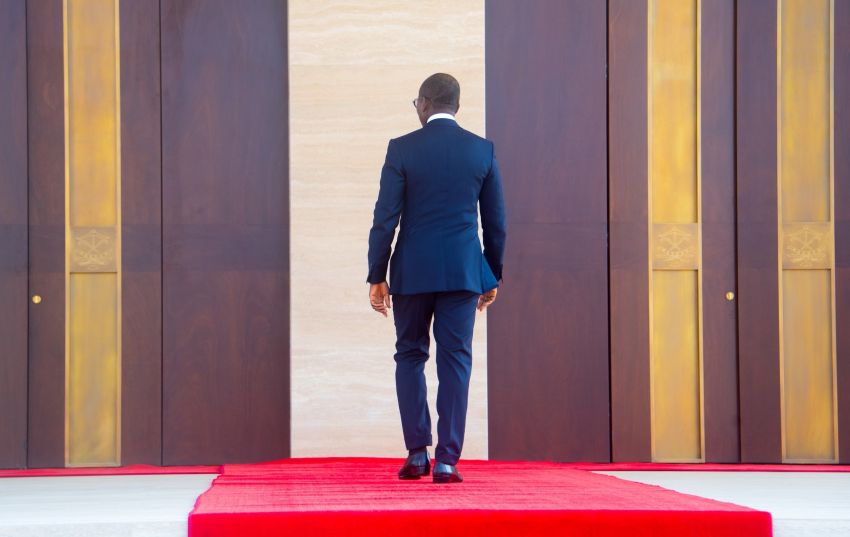
In a region where political transitions have often sparked instability, the handover from Patrice Talon to Romuald Wadagni carries exceptional importance. This transfer of authority—carefully orchestrated and publicly endorsed—serves as a model of institutional stability for neighboring nations.
The president’s departure follows a constitutional mandate, reinforcing Benin’s commitment to democratic norms. In his address, Talon framed the transition not just as a handover of power, but as a collective achievement of the Béninois people, from urban centers to rural communities and the diaspora.
A decade of transformation under Talon
President Talon used his farewell speech to reflect on a decade marked by sweeping reforms and economic modernization. He highlighted major infrastructure projects, administrative overhauls, and social development initiatives that reshaped Benin’s economic landscape. While acknowledging the challenges faced along the way, he emphasized how these obstacles strengthened national resilience.
His tone was both reflective and forward-looking, underscoring the role of every citizen in building a stronger Benin. This inclusive narrative reflects a deliberate effort to unite the nation beyond partisan divides and celebrate shared progress.
Romuald Wadagni inherits a nation transformed—and high expectations
Romuald Wadagni, a former Finance Minister with a technocratic background and deep ties to international financial institutions, now faces the challenge of sustaining Benin’s economic momentum while addressing pressing social needs. His leadership will be closely scrutinized as he steps into the presidency with a mandate to deepen reforms and expand economic opportunities.
Talon’s final words to the nation were a call to unity: “Stand with Romuald Wadagni in the supreme interest of Benin.” This appeal captures the essence of the moment—not just a transfer of power, but a transition from continuity to lasting stability.
A deeply personal farewell
One of the most moving aspects of Talon’s address was his tribute to his wife, Claudine Talon, whom he described as his steadfast partner throughout his presidency. In a political culture where such acknowledgments are rare, this gesture added a profoundly human dimension to an otherwise formal occasion. He also expressed gratitude to his family, advisors, and supporters for their unwavering dedication.
Benin at a crossroads: continuity, challenge, and opportunity
The handover transcends national borders. Across West Africa, observers view this transition as a critical test case for regional stability and democratic resilience. Benin is now positioned to showcase its ability to uphold constitutional order while navigating economic and social expectations.
The coming years will demand steady leadership, clear policy direction, and inclusive governance. As Wadagni prepares to be sworn in, the nation looks ahead with cautious optimism—aware that the true test lies not in the transition itself, but in what follows.
What remains certain is this: Patrice Talon’s departure is not just the end of an era, but a deliberate step toward a legacy rooted in stability, institutional strength, and national pride. As Benin turns to its next chapter, the world watches to see how this young democracy will continue to shape its future with vision and resolve.