Niger’s health transformation: minister garba hakimi’s vision for medical independence
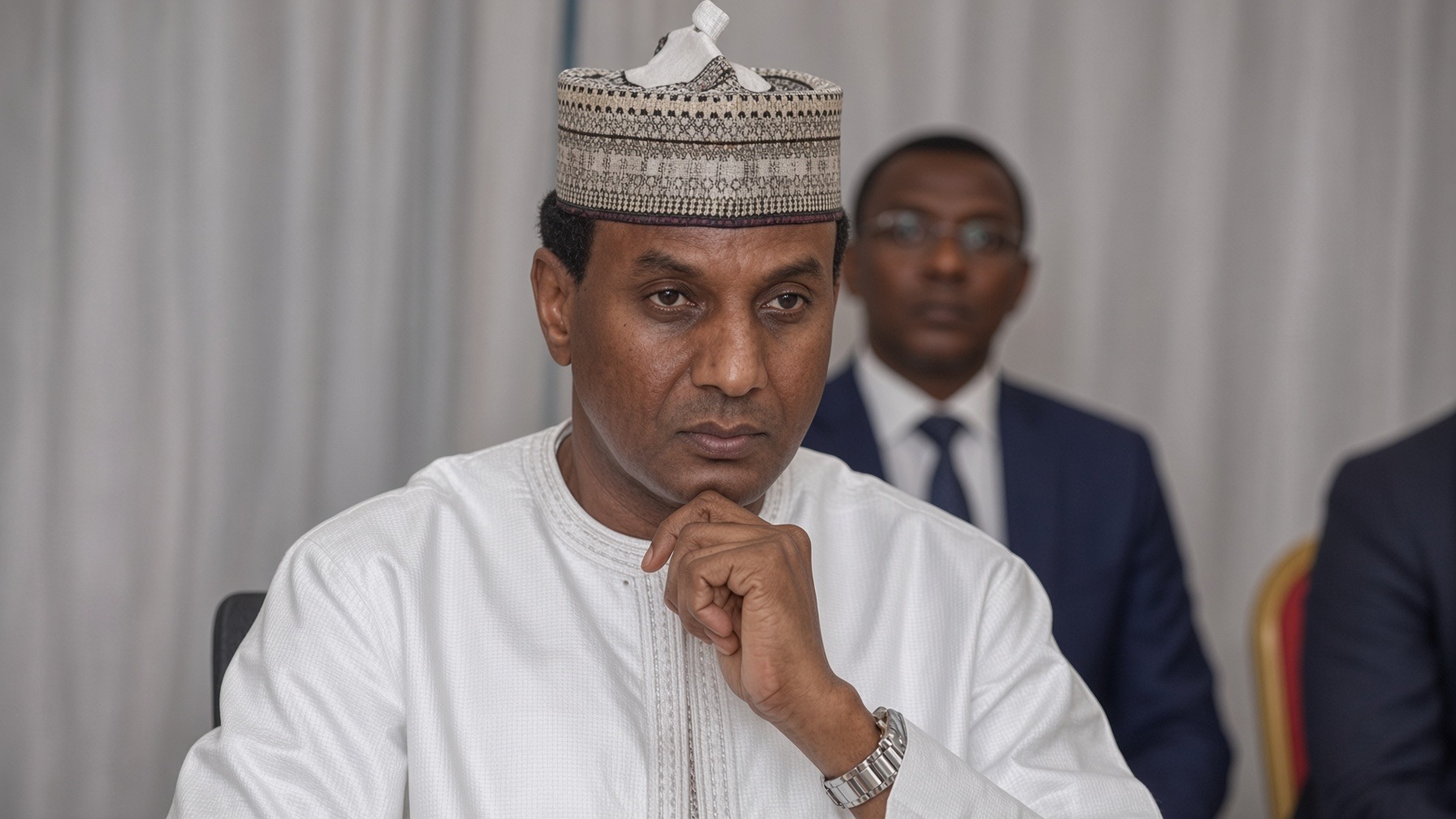
During a recent public address, the Minister of Public Health and Hygiene, Physician Colonel-Major Garba Hakimi, presented more than just an account of achievements. He articulated a clear, confident vision for the future of healthcare in Niger. His discourse highlighted a significant strategic shift: a resolute commitment to transforming Niger’s health system towards a progressive model of health sovereignty. This ambitious plan emphasizes local production, technological self-reliance, and accessible, localized care.
From policy management to strategic transformation
Since assuming his role in August 2023, the Ministry’s efforts have centered on a core objective: enhancing access to healthcare while simultaneously decreasing reliance on external resources. This direction is manifesting through a comprehensive strategy that transcends basic administrative management, aiming instead for a fundamental structural overhaul of the healthcare system.
Consequently, the State has initiated reforms to bolster pharmaceutical availability, elevate service standards, optimize the healthcare network, and progressively incorporate previously overlooked aspects such as traditional medicine and hygiene-based prevention.
Elevating the national medical infrastructure
A prominent feature of this systemic transformation is the substantial investment in medical equipment. The procurement of cutting-edge devices, including 64-slice CT scanners, MRI machines, and linear accelerators for radiotherapy, signifies a departure from a prolonged era of inadequate facilities.
The management of cancer exemplifies this pivotal change. Niger now possesses the three crucial therapeutic pillars—surgery, chemotherapy, and radiotherapy—enabling comprehensive care within its national borders. This advancement significantly curtails the need for medical evacuations abroad, which have historically been both expensive and inequitable.
A similar principle applies to cardiac surgery, which is now competently performed locally, reducing costs by a factor of five compared to international treatments. Beyond mere medical capability, this represents a paradigm shift: Niger is increasingly providing care domestically for conditions it previously sent patients abroad to treat.
Towards increasing self-sufficiency in medicines and supplies
Another key strategic pillar focuses on pharmaceutical independence. The Minister underscores the imperative for local production, particularly for vital items such as serum, which can be manufactured using resources readily available within Niger.
Reforms implemented at the National Supply Office (ONPPC) have led to high satisfaction rates for essential medicines. Concurrently, the bolstering of the domestic pharmaceutical industry is initiating a nascent yet foundational momentum.
The establishment of medical oxygen production facilities across the nation also represents a significant leap forward, eliminating a critical external dependency and ensuring free access to this life-sustaining input.
A localized strategy to address regional disparities
The issue of healthcare network coverage is being addressed with clear foresight. Acknowledging Niger’s vast geography and enduring imbalances, the Ministry is prioritizing a phased approach centered on developing better-equipped and self-sufficient Integrated Health Centers of Type 2.
The planned establishment of 36 new centers in 2025 and the enhancement of overall health coverage reflect this commitment to bringing medical services closer to communities. In Niamey, the decentralization of obstetric services is already alleviating strain on overcrowded facilities and improving emergency care responsiveness.
This strategy is complemented by efforts to strengthen human resources through recruitment and training, although a significant shortfall persists given the expanding demands.
Prevention and a shift in health paradigm
Beyond merely curative measures, the Minister’s address highlights a transition towards a more preventive healthcare philosophy. The fight against malaria, for instance, is evolving: the focus is no longer solely on treatment, but on directly targeting the disease vector.
Similarly, initiatives concerning public hygiene, access to safe drinking water, and effective medical waste management demonstrate a commitment to addressing the fundamental root causes of illnesses.
Governance, ethics, and ongoing challenges
Despite these strides, the Minister acknowledges inherent limitations within the system, particularly concerning ethical standards, patient reception, and professional conduct. While control, inspection, and sanction mechanisms have been bolstered, instigating behavioral change remains a formidable challenge.
Furthermore, critical areas like human resources, training institutions, and the regulation of the private sector represent sensitive undertakings that necessitate comprehensive structural reforms.
Regional aspirations within the AES framework
Finally, the regional dimension is emerging as a strategic enabler. Collaboration with countries in the Alliance of Sahel States (AES) paves the way for pooling expertise, sharing equipment, and harmonizing health policies.
This momentum could eventually lead to a unified regional health organization, thereby strengthening collective autonomy in confronting health challenges.
A healthcare system in transformation
This discussion underscores a clear reality: Niger’s healthcare system is undergoing a significant transformation. Navigating between existing structural limitations and resolute aspirations, it is progressing towards a more self-reliant, accessible, and integrated model.
While numerous challenges persist, the chosen path demonstrates a distinct objective: to establish health as a fundamental cornerstone of national sovereignty.