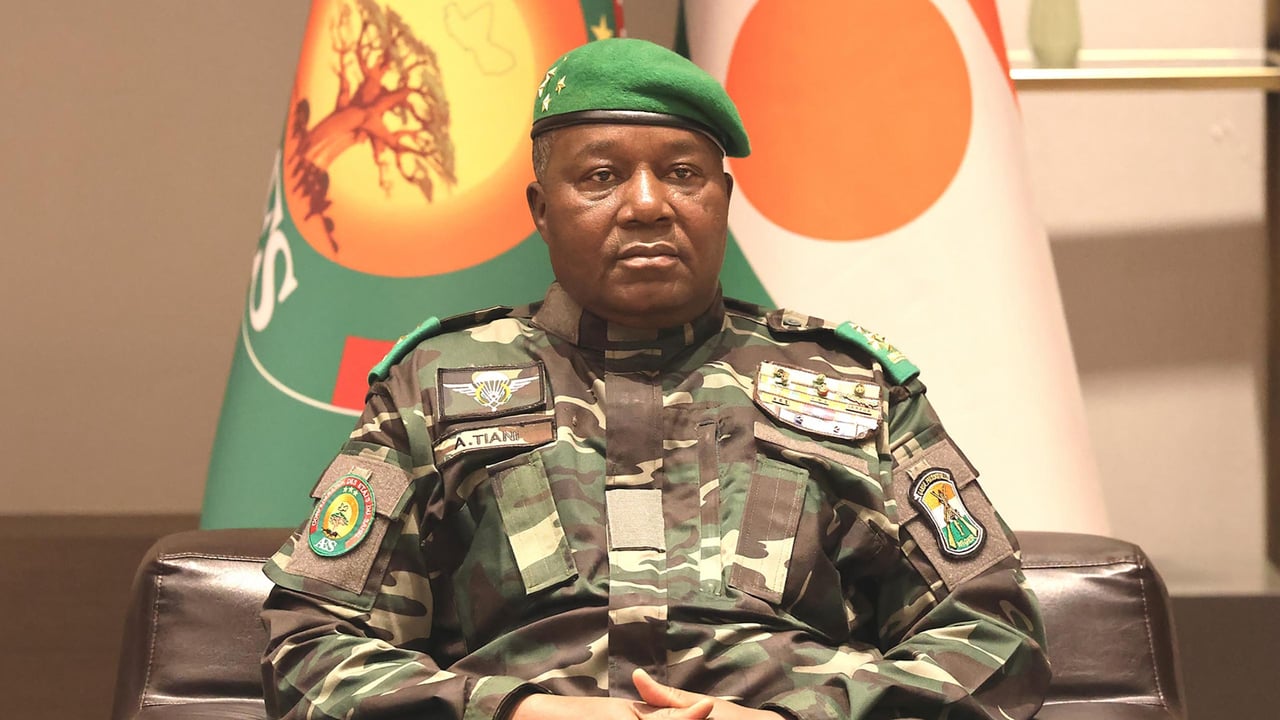

On Friday, May 8, the military administration in Niger announced the suspension of nearly a dozen foreign media organizations. According to the authorities, these outlets were capable of “seriously compromising public order.” This decision comes just days before the Africa Forward summit, a significant diplomatic gathering between France and various African nations.
In a statement broadcast on national television, the National Communication Observatory (ONC) listed the affected entities: France 24, RFI (Radio France Internationale), France Afrique Media, LSI Africa, AFP (Agence France-Presse), TV5 Monde, TF1 Info, Jeune Afrique, and Mediapart. The council cited the recurring broadcast of content that allegedly threatens national unity, social harmony, and the stability of the Republic’s institutions.
The political Sahel landscape continues to shift as this ban takes immediate effect across all platforms, including satellite signals, cable networks, digital sites, and mobile applications. While the ONC did not provide specific examples of the offending content, the move has drawn sharp criticism from Reporters Without Borders (RSF), which called for the immediate reversal of this restrictive measure.
This is not an isolated incident in recent Sahel news English reports. Since the 2023 coup, the Niger junta has systematically targeted Western media. RFI and France 24 were silenced shortly after the takeover, followed by the BBC in late 2024. This media crackdown mirrors the country’s diplomatic pivot; Niamey has severed ties with France, ordered the withdrawal of French counter-terrorism forces, and strengthened relations with Russia while championing national sovereignty over what it terms “imperialism.”
Regional alignment and the Africa Forward summit
The media landscape in the region is increasingly restricted, reflecting broader security Sahel dynamics. Just days ago, Burkina Faso—a key ally of Niger and Mali within the Alliance of Sahel States (AES)—prohibited TV5 Monde broadcasts. Similarly, the government in Bamako has previously restricted French news outlets while facing intense pressure from armed insurgencies.
Interestingly, this latest crackdown in Niger precedes the Africa Forward summit in Nairobi, Kenya. The three AES nations—Niger, Mali, and Burkina Faso—are notably absent from the participant list for this France-led event.
Beyond international outlets, local media professionals are also feeling the pressure. Although Deutsche Welle correspondent Gazali Abdou and regional editor Hassane Zada were recently freed after months of incarceration, the humanitarian Sahel context remains grim for press freedom. According to UN data, 13 journalists were detained in Niger during 2025, with at least six still behind bars on charges such as “undermining national defense.”
The decline in West Africa Sahel news transparency is evidenced by Niger‘s fall in global rankings. By 2026, the country dropped to 120th place out of 180 in the RSF press freedom index. Organizations like Amnesty International have expressed deep concern over this regression, which is supported by new legislation targeting digital communication and the suspension of approximately 3,000 NGOs accused of supporting instability.
For more updates on regional developments, follow our Sahel Vision coverage.