Niger media under pressure as journalists face arrests and intimidation
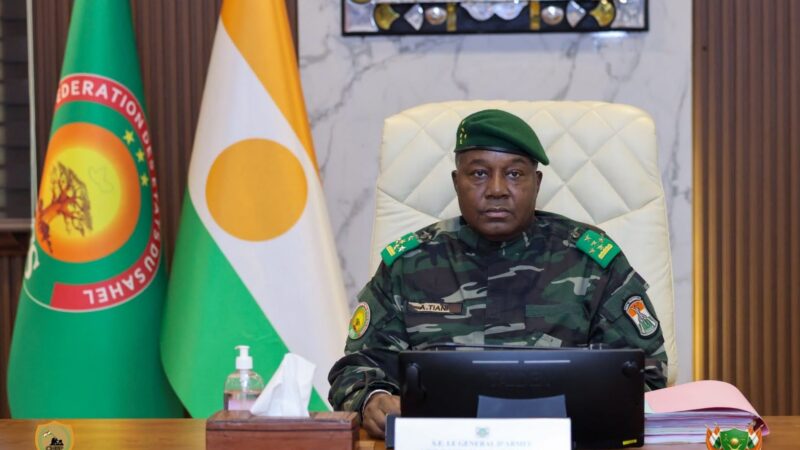
The state of press freedom in Niger is reaching a critical point as transitional authorities use intimidation and arbitrary arrests to target journalists reporting on security issues and the ongoing conflict.
Following the coup d’état on July 26, 2023, which saw President Mohamed Bazoum removed by Abdourahamane Tchiani, the head of the presidential guard, media independence has been severely curtailed. The military-led National Council for the Safeguard of the Homeland (CNSP) has created an environment where reporters often resort to self-censorship to avoid potential retaliation.
Human rights advocates highlight that this suppression of free speech is happening at a time when citizens most need transparent information regarding the conflict and the government’s actions. Demands have been made for the unconditional release of media professionals detained for their work, urging the administration in Niger to ensure that journalists can operate without fear of harassment or imprisonment.
On April 24, 2024, Soumana Maiga, the director of the newspaper L’Enquêteur, was taken into custody. His arrest followed the publication of a story regarding the alleged installation of surveillance equipment by Russian agents on state buildings. Currently held on charges of “undermining national defense,” he could face a decade in prison if convicted.
The transitional authorities must fulfill their legal requirements to respect, protect, and uphold the human rights of everyone within the country.
Samira Daoud, Regional Director for West and Central Africa
Earlier in the same month, on April 13, 2024, former presidential communication advisor and journalist Ousmane Toudou was also arrested. In the aftermath of the 2023 coup, Ousmane Toudou had used social media to call for democratic opposition to the military takeover. Despite the legal four-day limit for police custody having passed, he has not been brought before a judge and is slated for a military tribunal, a move that critics argue violates international laws regarding the trial of civilians.
“We are more careful with our writing to protect ourselves”
Tchima Illa Issoufou, a correspondent for the BBC Hausa service, has been forced into exile after being accused of attempting to destabilize Niger. Her reporting on the security situation in the Tillabéri region—an area heavily impacted by conflict—led to threats from security forces and online attacks from government supporters. Shortly after her report aired, civil society activist Ali Tera, whom she had interviewed, was arrested on April 26, 2024, and remains in custody at the Niamey civil prison.
A media director in Niger, speaking anonymously, noted that the professional landscape has become incredibly hazardous. The core principles of journalism are under fire, forcing many to be extremely cautious with their reporting to avoid being targeted by the new authorities.
In January 2024, the Maison de la Presse, an organization representing various media outlets in Niger, was suspended by the government. It was subsequently replaced by an ad hoc committee led by a high-ranking official from the Ministry of the Interior.
The rights to free expression and information are protected by national laws and international agreements, such as the African Charter on Human and Peoples’ Rights, to which Niger is a signatory. It remains vital for the transitional government to honor these commitments and safeguard the rights of all individuals in the nation.