Niger health system: gradual reduction in medical evacuations abroad
A strategic shift is underway in Niger’s healthcare sector. What was once considered an inevitable solution to the country’s healthcare limitations—sending patients abroad for specialized treatment—may soon become the exception rather than the norm. Under the direction of Niger’s Minister of Health and Public Hygiene, Colonel-Major Garba Hakimi, the nation is investing heavily in upgrading its medical infrastructure to care for patients domestically.
Upgrading medical capabilities to reduce foreign evacuations
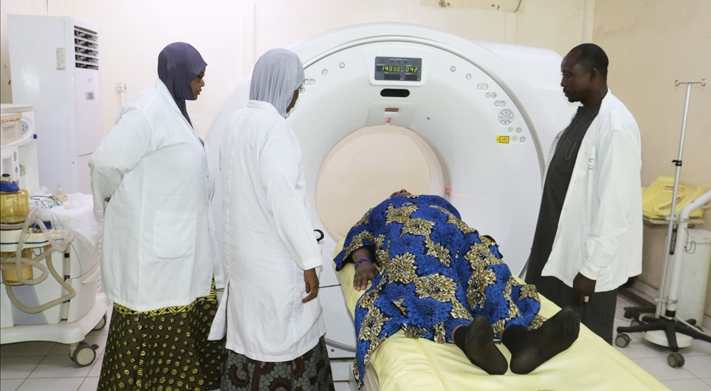
The cornerstone of this transformation is the acquisition of state-of-the-art medical equipment, including 64-slice CT scanners, MRI machines, and linear accelerators for radiotherapy. Nowhere is this progress more evident than in cancer treatment. Niger has established all three essential pillars of oncological care—surgery, chemotherapy, and radiotherapy—within its borders. This milestone significantly reduces the need for costly and often financially burdensome medical evacuations abroad.
The advancements extend to cardiology as well. Complex cardiac surgeries are now performed locally at a fraction of the cost of treatments abroad. This marks a fundamental shift in healthcare delivery: Niger is increasingly treating conditions that were once outsourced.
Economic and social benefits of local healthcare strengthening
The impact of these developments extends beyond clinical excellence. By reducing dependence on foreign medical care, Niger is easing the financial strain on families while making specialized treatments more accessible. This initiative also fosters the growth of national medical expertise and reinforces the country’s healthcare sovereignty.
While certain highly specialized cases may still require evacuation, the trajectory is clear: Niger is steadily building its medical autonomy. Through strategic investments in equipment, skills, and specialized care, the nation is redefining its healthcare future—treating more patients at home who would have once traveled abroad for treatment.