Niger faces deepening human rights crisis amid military rule
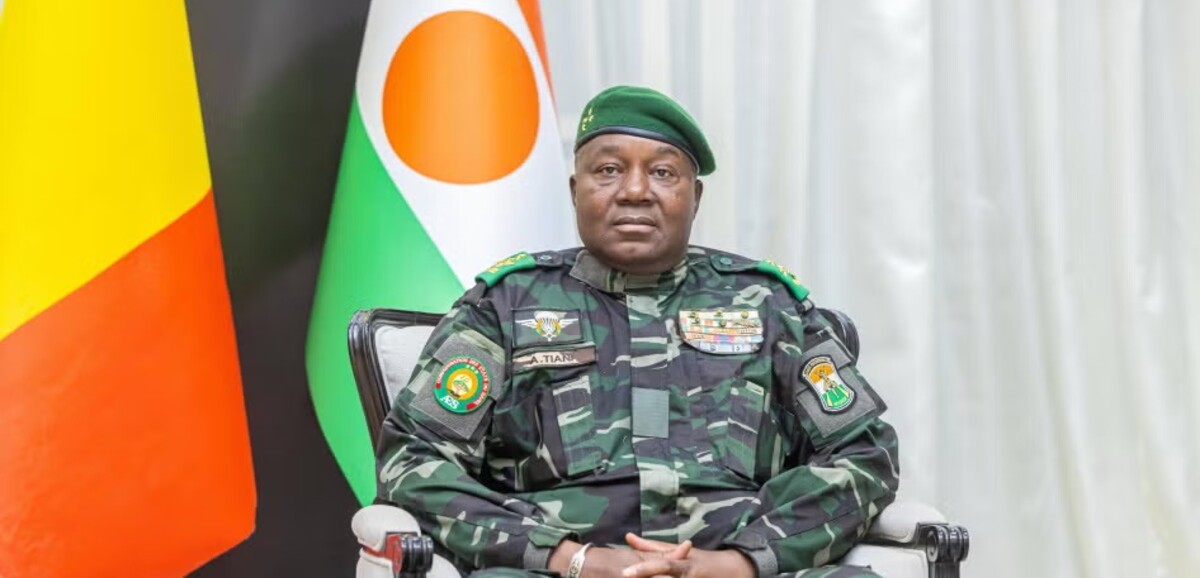
As Niger marks three years since the July 26, 2023 military takeover, a leading global rights organization has issued a stark warning about the country’s deteriorating human rights landscape. In its latest assessment, Human Rights Watch highlights how the current regime, led by General Abdourahamane Tiani, has systematically weakened democratic safeguards while intensifying repression across the nation.
Expanding authoritarian controls
The military administration has been accused of dismantling key democratic pillars since seizing power. Human Rights Watch points to the systematic dissolution of opposition parties, suspension of independent trade unions, and suppression of civil society organizations as part of a broader strategy to consolidate power. Journalists have faced arbitrary detentions, while new laws now criminalize same-sex relationships, carrying severe penalties.
Political stagnation and escalating insecurity
The rights group also condemns the indefinite postponement of the political transition timeline. Authorities have indicated that the military leadership may remain in control for at least five more years, raising concerns about prolonged governance without electoral legitimacy. Meanwhile, Niger’s long-standing battle against jihadist insurgencies has worsened, with military counter-offensives drawing sharp criticism. Human Rights Watch documented a January drone strike that reportedly killed at least 17 civilians at a local market, underscoring the human cost of these operations.
The organization further warns that Niger’s withdrawal from the International Criminal Court (ICC) has further eroded accountability mechanisms, leaving victims of rights violations with limited recourse for justice.