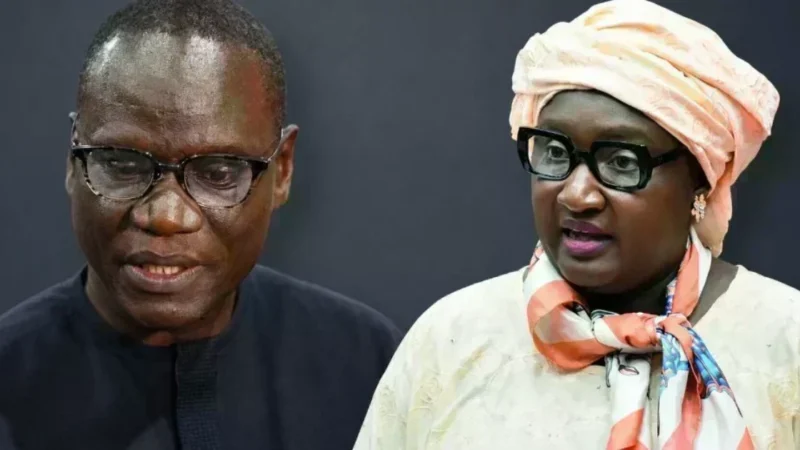
Niger advances toward health sovereignty at dakhla summit
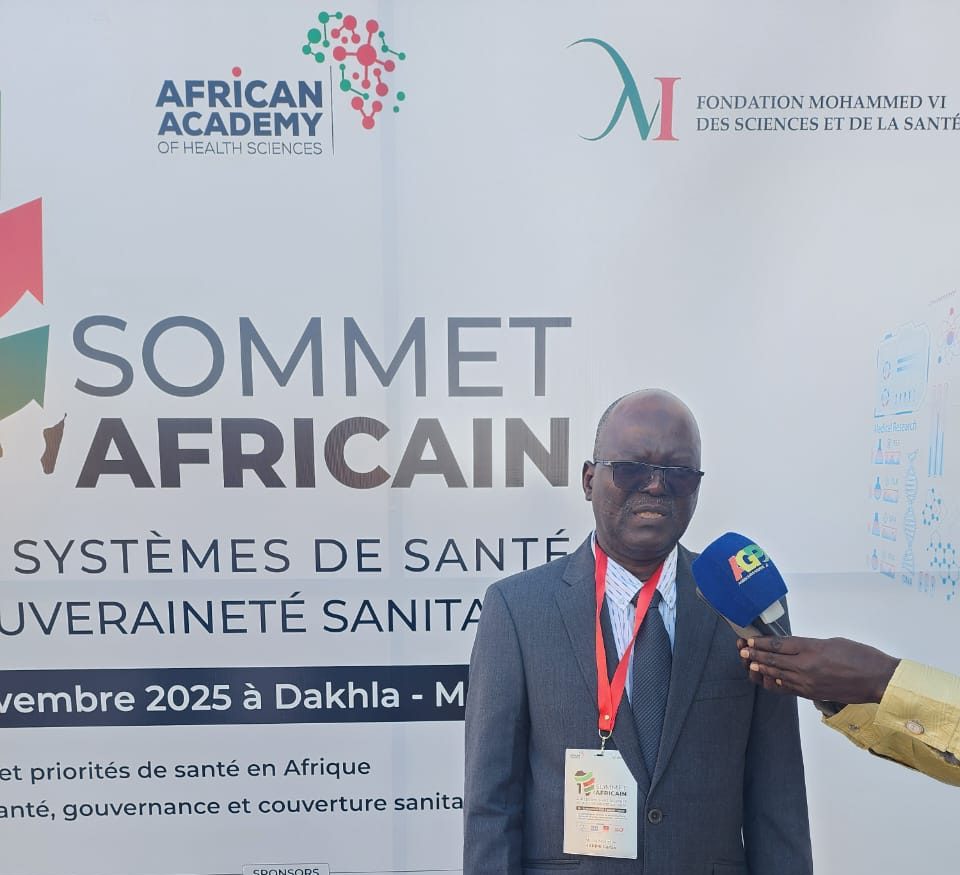
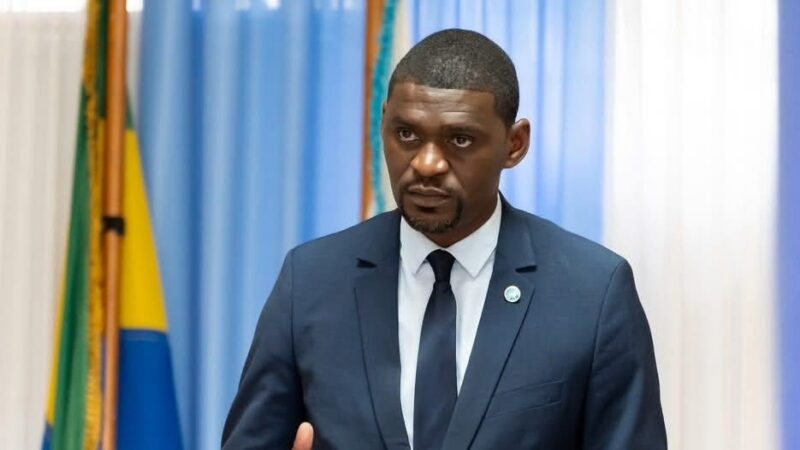
The Nigerien Minister of Public Health and Hygiene, Colonel Major Garba Hakimi, emphasized during a November 29 interview in Dakhla, Morocco, that Niger is making significant strides toward achieving health sovereignty. His remarks followed the conclusion of the first African Summit on Health Systems and Health Sovereignty, where he represented the country over two days of intensive discussions.
Niger’s health sovereignty: a national priority
According to Minister Hakimi, Niger’s commitment to health sovereignty is driven by the leadership of President General Abdourahmane Tiani and the Prime Minister, who have prioritized substantial investments in the health sector. These efforts include the construction of modern healthcare facilities—such as hospitals and integrated health centers—across the nation.
‘These infrastructures are essential to strengthening primary healthcare at the community level,’ the minister stated. ‘A robust health system cannot be built without strong foundational facilities that ensure accessible and quality care.’
Modernization through equipment, training, and accessibility
Niger’s health sovereignty strategy also includes the acquisition of advanced medical equipment, ensuring healthcare professionals can deliver accurate diagnoses and effective treatments. ‘However, equipment alone is not enough,’ Hakimi noted. ‘We must also invest in human capital—continuously training and specializing medical staff to operate these technologies efficiently.’
The government has also implemented free healthcare measures, such as subsidized care for vulnerable populations, a 50% reduction in public health facility fees, and free services like childbirth and care for children under five. These initiatives aim to improve healthcare access nationwide.
‘Our goal is to move toward universal health coverage,’ Hakimi explained. ‘With the right policies and sustained effort, we are confident Niger will achieve this objective.’
Challenges and solutions in African health systems
During the Dakhla summit, African health experts reviewed the continent’s health systems, identifying both progress and persistent challenges—including system fragility, governance issues, and funding gaps.
‘The focus should not be on identifying problems alone,’ Hakimi stressed, ‘but on developing actionable strategies to build resilient, high-performing health systems capable of achieving sovereignty.’
Morocco’s leadership in African health sovereignty
The minister praised His Majesty King Mohammed VI of Morocco for championing a vision of health sovereignty across Africa. Key initiatives include the newly inaugurated African Academy of Health Sciences and Morocco’s commitment to constructing university hospitals and training facilities—such as the comprehensive health complex in Dakhla, which Hakimi visited.
‘Human resources are the backbone of a strong health system,’ he remarked. ‘Without skilled professionals, even the best infrastructure and equipment cannot deliver results. Morocco’s approach demonstrates how leadership can drive meaningful change.’
Financing and collaboration for sustainable health systems
Hakimi highlighted the importance of innovative financing and increased budget allocations, citing the 15% health budget recommendation by African heads of state. ‘Health sovereignty means self-reliance,’ he asserted. ‘We cannot depend solely on external aid. African nations must take ownership of their health systems through strategic investments and collaboration.’
The Dakhla Declaration outlines a five-pillar roadmap for health sovereignty: epidemiology, human capital/training, research and innovation, financing/governance, and equitable infrastructure access.
‘If we commit to these priorities, health sovereignty is within reach,’ Hakimi concluded. ‘The time to act is now.’