Morocco stands firm on ceuta claims amid rising tensions with spain
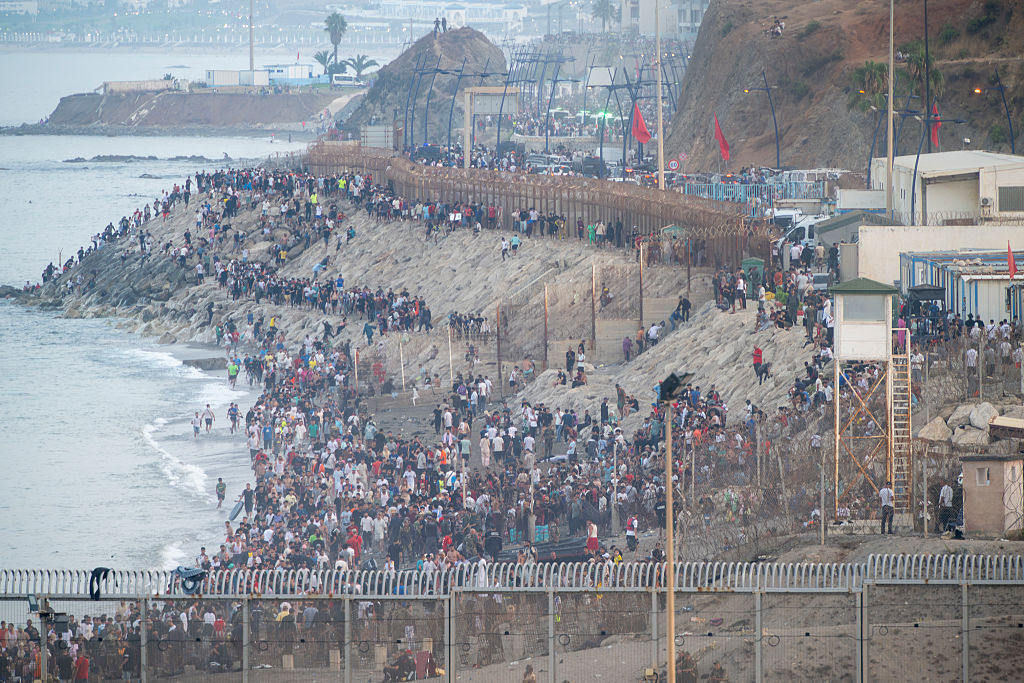
Morocco’s long-standing territorial claims over the Spanish enclaves of Ceuta and Melilla have resurfaced as a key factor in the recent migration surge to Ceuta, according to a former Spanish ambassador to Rabat.
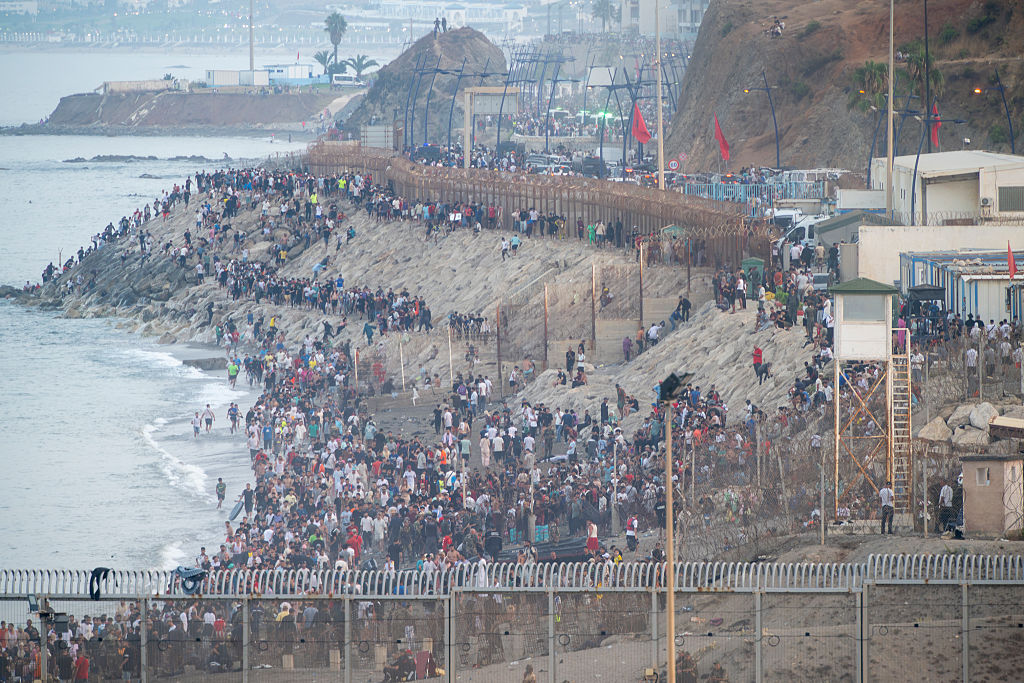
The sudden arrival of over 72,000 migrants in this small Spanish city in late July sent shockwaves through Spain and Europe, reigniting a decades-old territorial dispute that had long simmered beneath the surface.
Jorge Dezcallar, a seasoned diplomat who once led Spain’s intelligence services, emphasized that Morocco has never abandoned its demands for the return of Ceuta and Melilla. He suggested that unresolved tensions between the two countries may have contributed to the unprecedented migration influx into Ceuta.
« Morocco is probing potential weaknesses in Madrid’s position at a time when it perceives Spain’s government as vulnerable, » Dezcallar stated. The Spanish government, led by Prime Minister Pedro Sánchez, has faced mounting challenges, including corruption scandals involving high-ranking officials and its strong stance on immigration, which has often clashed with European allies.
diplomatic relations under strain
Despite periodic diplomatic friction, Spain and Morocco share deep economic and security ties, particularly in counterterrorism and migration control. Yet, their relationship remains volatile, oscillating between cooperation and confrontation.
unresolved territorial disputes
Moroccan officials and state-aligned media have intensified rhetoric around the sovereignty of Ceuta and Melilla, territories that have been under Spanish control for centuries, predating Morocco’s modern statehood. « This issue remains unresolved. Every time we meet with Spanish counterparts, we raise the matter, » declared Justice Minister Abdellatif Ouahbi earlier this week.
« We remain steadfast in our position […] This is a matter we will address through dialogue and patience, » he added.
Spanish Defense Minister Margarita Robles swiftly dismissed any ambiguity, stating from Ceuta, « There is no doubt: Ceuta and Melilla are Spanish. They are non-negotiable. »
While Spain’s King Felipe VI has never visited the enclaves, the country’s foreign minister made a historic visit this week, a move seen by some as an attempt to ease tensions with Morocco.
Madrid and Rabat have blamed human traffickers for exploiting a recent Spanish Supreme Court ruling that temporarily halted the immediate deportation of migrants arriving by sea. However, Dezcallar noted there may have been « at least some degree of permissiveness or negligence on Morocco’s part. »
escalating threats and past confrontations
The former ambassador warned that Spain lacks the means to prevent future migration surges, especially given the recurring nature of such incidents. In 2021, Spain’s decision to admit the leader of the Polisario Front, Brahim Ghali, triggered a severe diplomatic rupture. Rabat retaliated by facilitating the arrival of nearly 10,000 migrants in Ceuta, an act Madrid labeled as « blackmail. »
« Mistakes can be forgiven once, but not twice […] I cannot believe the government was unaware, » Dezcallar remarked, recalling warnings from Ceuta authorities about a gradual increase in irregular arrivals in the days prior.
Intelligence sources reported a potential new surge targeting Ceuta on August 15, as calls to storm the city proliferated on social media. Police and Civil Guard unions also confirmed the threat. « Anyone who believes Morocco will abandon its claims on Ceuta and Melilla is mistaken, » Dezcallar asserted.