Morocco reaffirms claims on Ceuta and Melilla amid Spain tensions
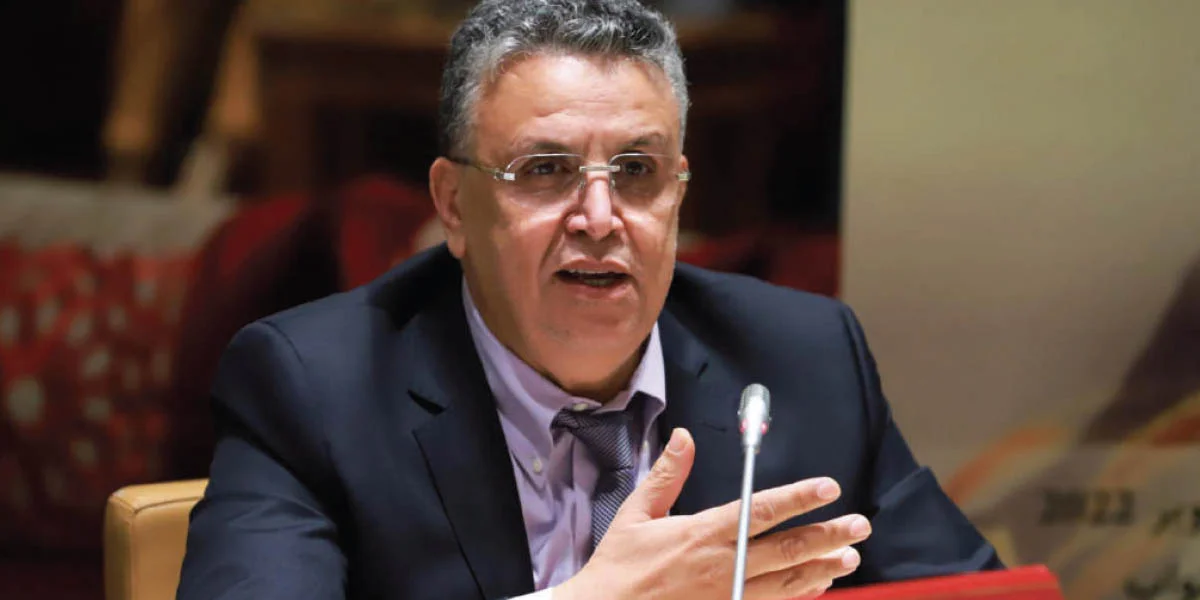
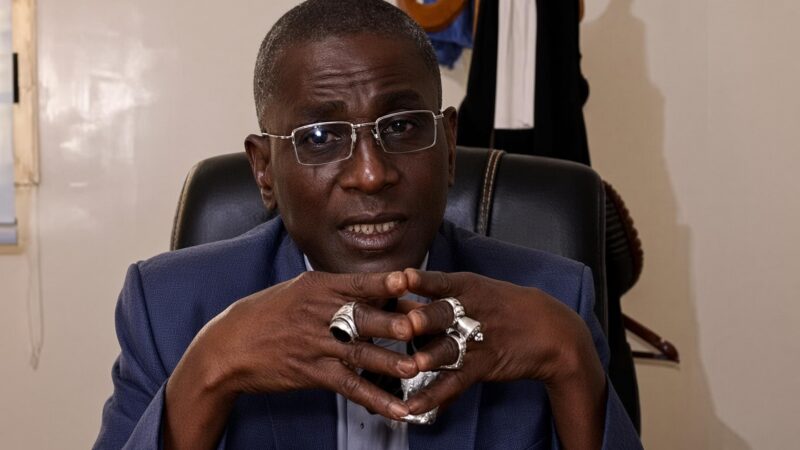
Morocco has once again brought attention to its long-standing territorial claims over Ceuta and Melilla, reiterating its position that these cities belong to its national sovereignty. During a recent statement, Justice Minister Abdellatif Ouahbi emphasized that Rabat remains committed to pursuing negotiations with Spain regarding these enclaves, which Morocco considers integral parts of its territory. The issue, he noted, continues to be a recurring topic in bilateral discussions, framed within a broader strategy of dialogue and gradual progression.
Highlighting the recent surge in irregular border crossings into Ceuta on July 30 and 31, Minister Ouahbi underscored the need for Spain to fulfill its obligations by facilitating the repatriation of unaccompanied Moroccan minors who entered Spanish territory. He also criticized Spain’s approach of urging Morocco to curb irregular departures while simultaneously granting legal status to those who successfully reach Spanish soil.
Ouahbi further stressed the importance of establishing shared legal frameworks and operational mechanisms with Spain to combat irregular migration, rejecting the notion that Morocco should bear sole responsibility for policing Europe’s borders.
In response, Spain’s Ministry of Foreign Affairs firmly rejected Morocco’s sovereignty claims over Ceuta and Melilla, asserting that the status of these territories is non-negotiable and internationally recognized as part of Spain’s territorial integrity.
Diplomatic restraint vs. political outbursts
Spanish Foreign Minister José Manuel Albares, visiting Ceuta, avoided addressing the sovereignty dispute in his public remarks, instead focusing on the immediate migration challenges. He acknowledged Morocco’s willingness to facilitate the return of unaccompanied minors who entered during the recent influx.
Meanwhile, Melilla’s regional president, Juan José Imbroda of the People’s Party (PP), took a far more confrontational stance. In a media statement, he questioned the purpose of holding onto Ceuta and Melilla if Spain could not manage its own borders or prevent its youth from fleeing. Imbroda described the current migration situation as an international embarrassment for Morocco, urging the country to address the crisis with greater responsibility.
Morocco’s Interior Ministry countered by emphasizing the shared responsibility of both nations in managing irregular migration flows. It cautioned against online calls encouraging new border crossings on August 15, stressing that combating human trafficking and illegal migration requires coordinated efforts rather than unilateral action.