Momentum shifts for Benin’s port workforce as Luxembourg seals €15 million CAP-PORT deal
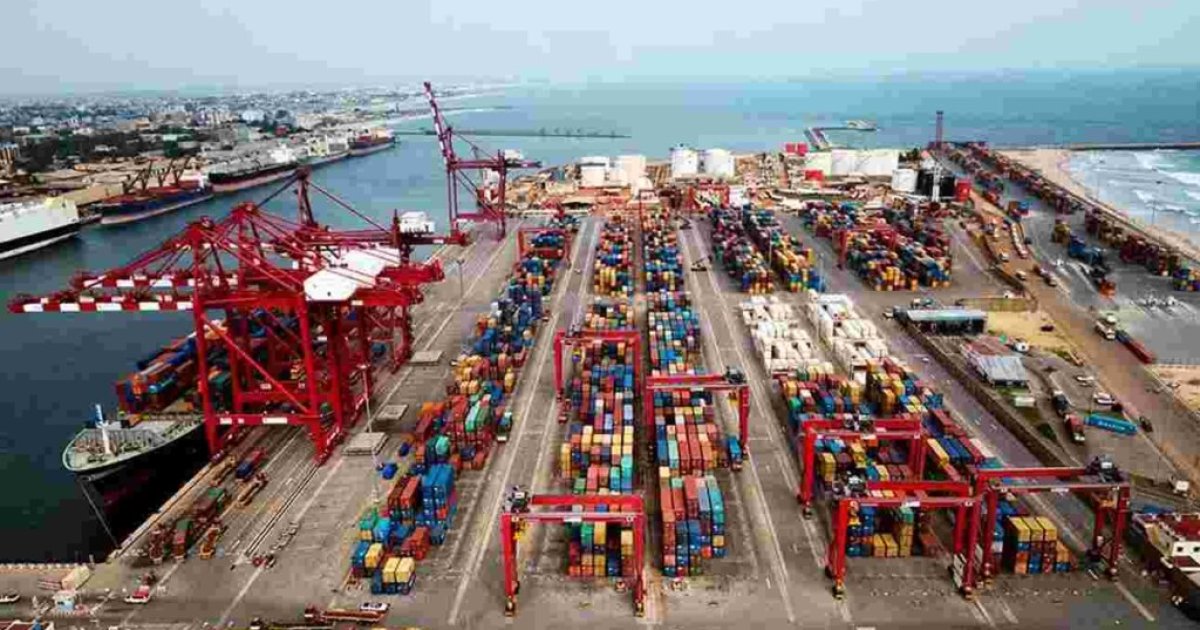
Luxembourg has committed 15 million euros, the equivalent of more than 9.8 billion FCFA, to strengthen port and logistics training in Benin, giving the CAP-PORT project a decisive push forward. The protocol was signed in New York on the margins of the 81st United Nations General Assembly.
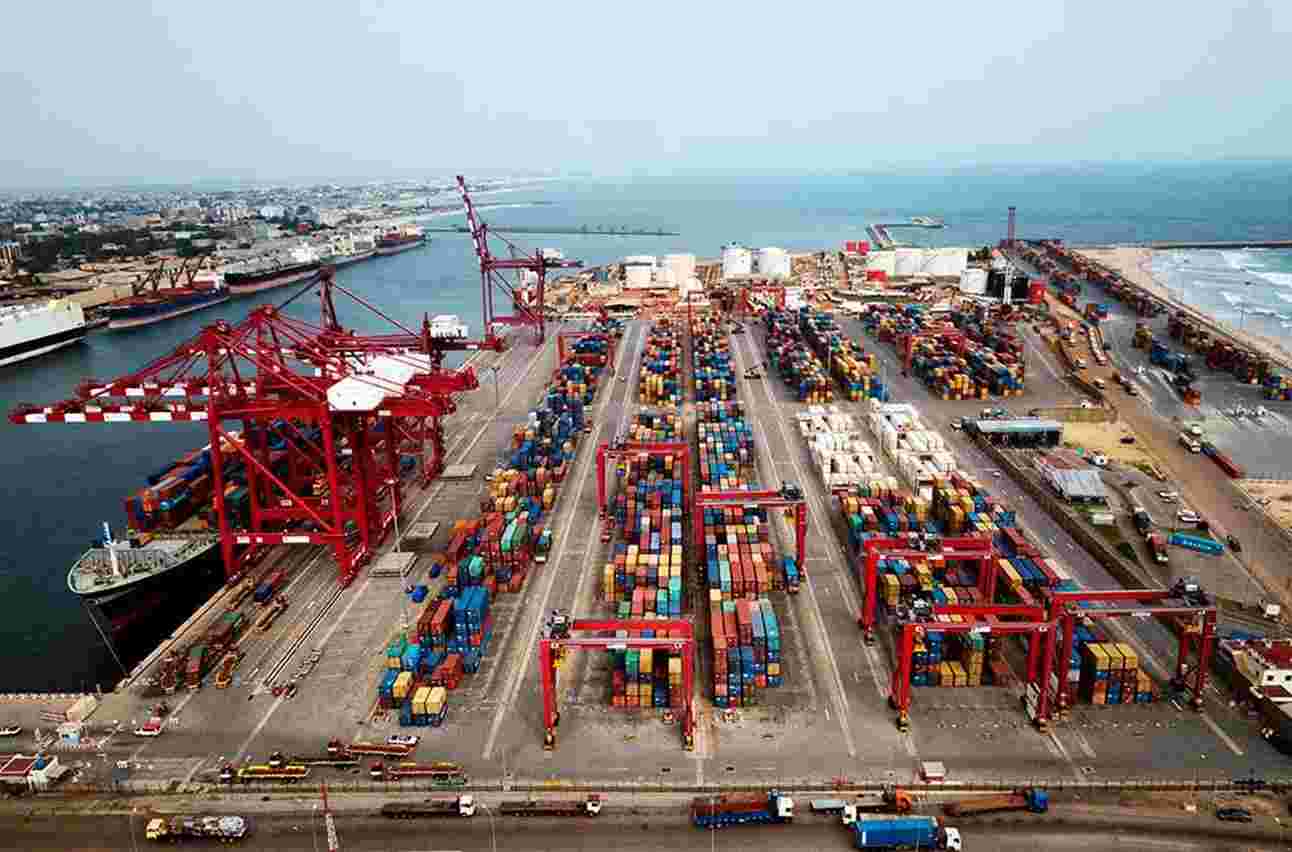
The funding covers young people and women aged 18 to 35 looking for work, low-skilled jobseekers and employees who want to refresh their qualifications. The aim is to widen the training on offer and to smooth the path into jobs across the port and logistics chain.
Why this agreement marks a turning point
For a sector that has long struggled to match its workforce to the pace of modern cargo handling, the CAP-PORT protocol represents a clear change of gear. Rather than scattering support across isolated schemes, the programme concentrates resources on one skill-building space intended to serve the whole port economy.
What the training will cover
- Operating and maintaining handling equipment and vehicles
- Safety standards in port operations
- Documentary compliance and freight paperwork
- Use of digital systems linked to port and logistics activity
These courses are meant to be delivered through a dedicated facility built for the development of these competencies, anchoring the project in practical, job-ready instruction.
The signatures behind the commitment
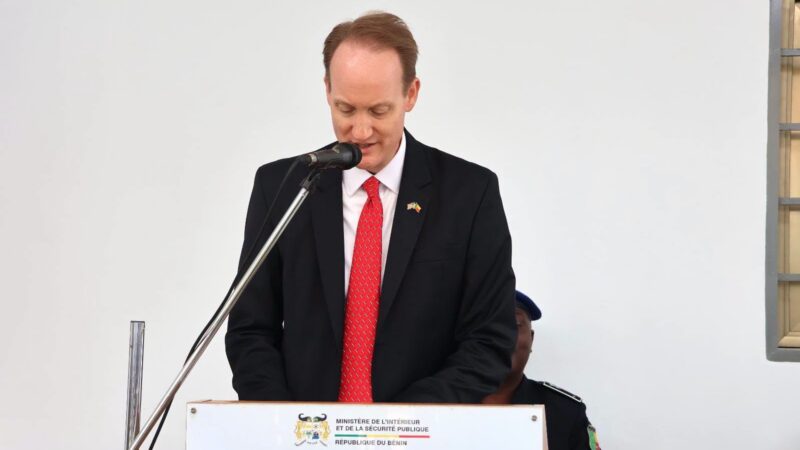
Benin was represented by Hugues Oscar Lokossou, minister of economy and finance in charge of mobilising external resources and managing debt. Luxembourg’s deputy prime minister, Xavier Bettel, signed on behalf of his country. The active portfolio of bilateral cooperation between the two states is valued at roughly 95 million euros, which means the CAP-PORT envelope alone accounts for close to 16 percent of that total.
Questions the announcement leaves open
Little is known about the practical rollout. There is still no confirmed figure for the number of people who will benefit, no indication of where the future training space will be located, and no start date, course length or disbursement schedule. What the signature establishes is a financing pledge, not proof that the full 15 million euros has already been paid out.