Why Benin turned to Algeria for its northern defense strategy
The strategic reasoning behind Cotonou’s latest defense alignment
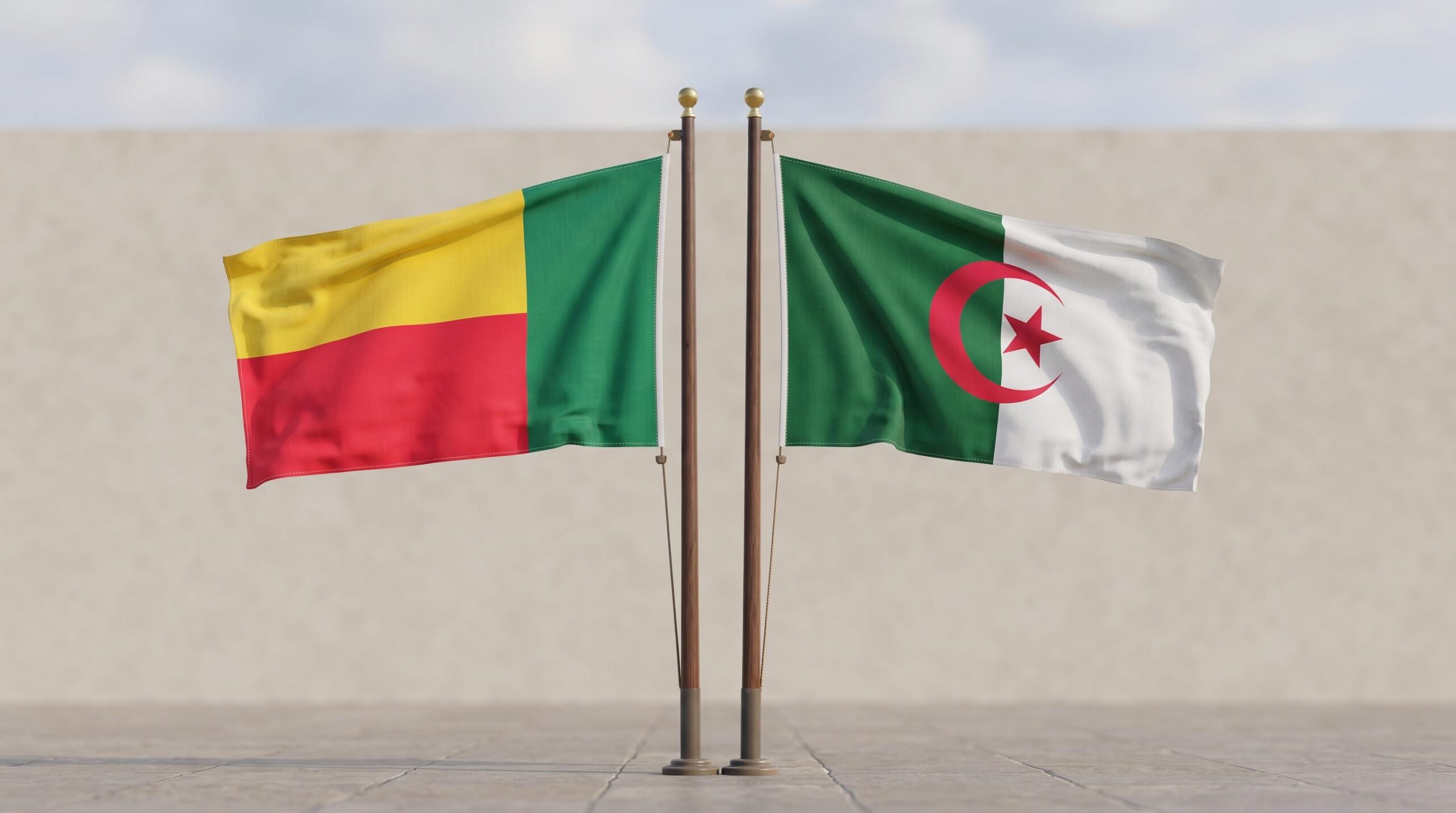
Behind Benin’s decision to deepen military ties with Algeria lies a calculated response to an increasingly volatile regional security environment. In a West African sub-region undergoing profound geopolitical shifts, Cotonou continues to expand its network of security partnerships. A high-level meeting at the Ministry of National Defense between Beninese authorities and a senior diplomatic and military delegation from the People’s Democratic Republic of Algeria marked a pivotal moment: the formalization of a bilateral strategic defense partnership.
What drove this meeting: operational urgency and diplomatic calculation
This engagement unfolds against a backdrop of relentless pressure from armed terrorist groups operating in northern Benin and the pressing need to strengthen the anticipation and response capabilities of the Beninese Armed Forces (FAB).
For Cotonou, selecting Algeria as a partner is anything but coincidental:
- A proven counterterrorism model: The Algerian military possesses internationally recognized expertise in combating insurgent strongholds, controlling land borders, and conducting surveillance in semi-arid and Sahelian environments.
- Diversifying security partnerships: True to its tradition of strategic pragmatism, Benin seeks to multiply its military cooperation channels — from logistics training to intelligence technology — without relying exclusively on traditional Western partners or rigid alignment frameworks.
- The military training imperative: Access to Algeria’s prestigious military academies and tactical training centers represents a major lever for upgrading the leadership and elite units of the Beninese Armed Forces.
Concrete outcomes: toward a formal framework and coordinated action
Beyond diplomatic courtesies, the discussions produced tangible directions designed to give lasting structure to this interstate cooperation:
- Formalization of a defense framework agreement: Both parties laid the groundwork for a legal instrument establishing enhanced technical cooperation, ongoing training for Beninese military officers, and experience-sharing in crisis management and tactical electromagnetic intelligence.
- Permanent operational coordination: Beninese and Algerian officials agreed to establish a direct and regular communication channel to coordinate threat assessments of cross-border destabilization affecting the Sahelo-Saharan space and threatening the Gulf of Guinea.
- Support for collective stability: Through this handshake, Algiers reaffirms its willingness to re-engage diplomatically and security-wise in sub-Saharan Africa, while Cotonou consolidates its position as a strategic lock protecting the West African coast.
The broader significance of Benin’s proactive security posture
By sealing this strategic rapprochement with Algeria, Benin demonstrates its intent to address the regional security crisis through a proactive strategy: training its personnel, diversifying its support base, and drawing on the expertise of major continental players.
This partnership signals a shift in how Cotonou approaches its defense architecture — not merely as a recipient of external assistance, but as an active architect of its own security future, leveraging Algeria’s deep experience in counterinsurgency and border control to fill critical gaps in its northern defenses.