Iran’s Hormuz offer to Washington: the inside logic of a seven-day ultimatum
Behind the polished marble corridors of the United Nations headquarters in New York, a diplomatic clock is ticking faster than most delegations would like. Iran’s foreign minister, Abbas Araghchi, has handed Washington a proposal that could either defuse the most dangerous maritime standoff in years or push the Gulf closer to an all-out confrontation. The offer: restore shipping through the Strait of Hormuz within seven days, provided the United States meets a set of conditions that Tehran has kept deliberately vague in public.
Why Tehran chose this moment to play its Hormuz card
The timing of the Iranian proposal is no accident. With the UN General Assembly in full swing, Araghchi used the global spotlight to confirm that a formal document had been passed to the US envoy Steve Witkoff on Tuesday. According to the Iranian foreign minister, the next move belongs to the White House.
For months, Iran has been disrupting traffic through the narrow waterway that carries roughly a fifth of the world’s crude oil. Now, rather than simply tightening the noose, Tehran appears to be converting its military leverage into a political bargaining chip. The strategy is clear: trade the threat of a prolonged closure for tangible concessions while the world’s attention is fixed on New York.
What Iran wants in return for reopening the strait
While the full text of the document remains classified, Araghchi has made no secret of the price tag attached to any seven-day reopening. The demands fall into three broad categories:
- An immediate halt to strikes targeting Iran’s strategic infrastructure.
- Targeted sanctions relief that would ease the economic pressure on Tehran.
- Firm guarantees on the withdrawal or redeployment of Western naval forces operating in Gulf waters.
For the Islamic Republic, control over Hormuz has once again proven to be its ultimate deterrent. By threatening freedom of navigation in this vital artery, Tehran is attempting to transform military isolation into political leverage against Washington and its allies. “We are not seeking to keep the strait closed indefinitely, but the security of our waterways is inseparable from the overall security of our nation,” Araghchi told reporters.
The economic shock already unfolding
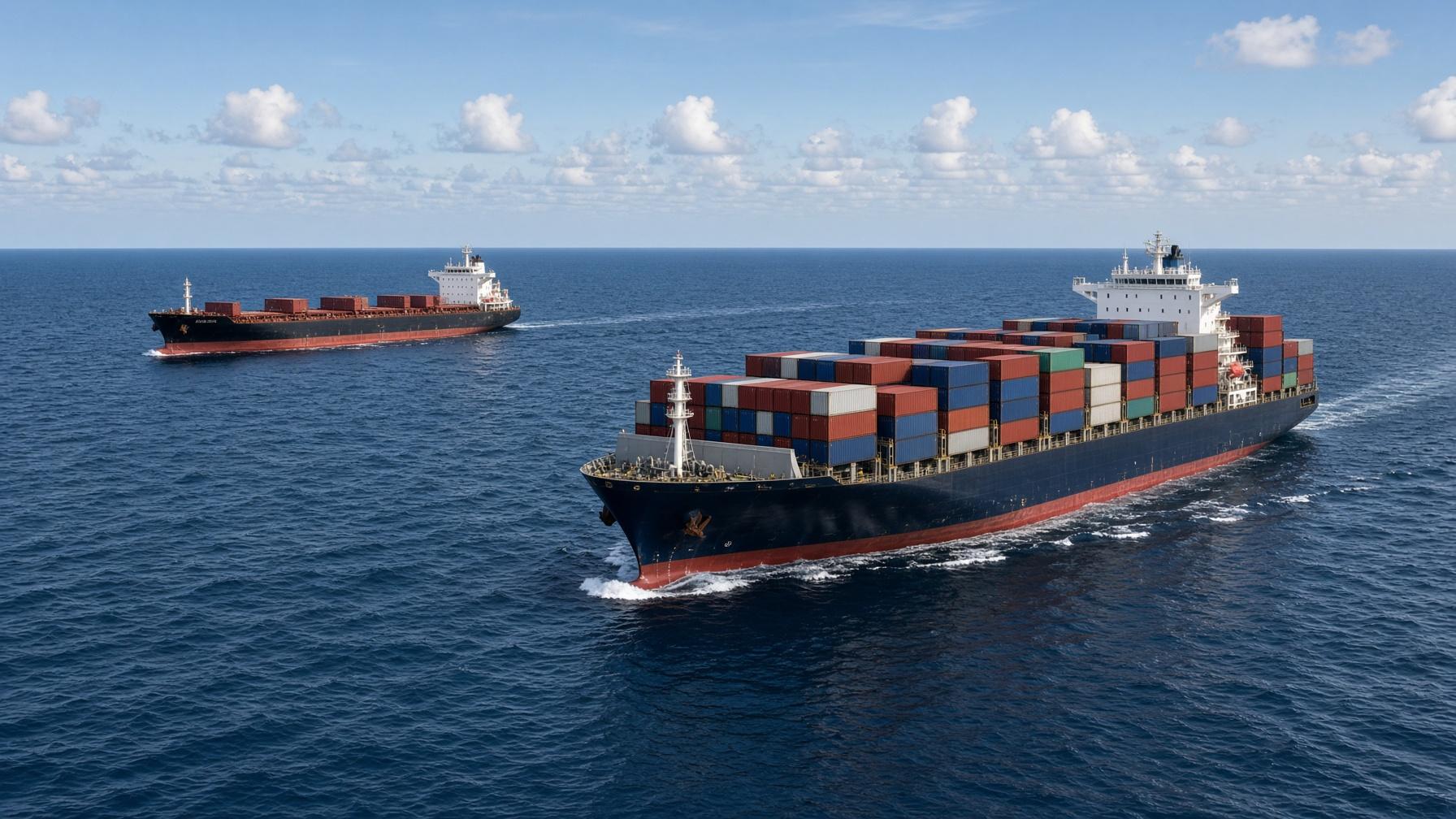
The Iranian offer lands at a moment of acute vulnerability for the global economy. Since the progressive blockade began, markets have been reeling. At its narrowest point, the Strait of Hormuz is barely 33 kilometres wide, yet it functions as the planet’s most critical maritime highway. Roughly 20 percent of global crude oil consumption and a third of liquefied natural gas (LNG) normally pass through it every day.
The fallout from the disruption has been swift and severe:
- Soaring energy prices: Within days, Brent crude spiked dramatically, breaking through alarming thresholds. Fears of a sustained supply crunch are fuelling speculation on financial markets, raising the spectre of an oil shock comparable to the 1970s.
- Exploding transport and insurance costs: Faced with threats of attacks, ship seizures and missile fire, maritime insurers have raised war-risk premiums to prohibitive levels, when they have not simply refused to cover tankers outright.
- Costly rerouting around Africa: To avoid the Gulf, many shipowners have ordered their vessels to round the Cape of Good Hope. This detour adds at least two weeks to journeys, generating colossal fuel surcharges and tying up the global fleet.
- The risk of broad inflation: The combined rise in fuel and freight costs is already feeding into global supply chains. For consumer countries, particularly in Europe and Asia, the prospect of a new wave of inflation and fuel shortages at the pump is becoming extremely concrete.
Washington’s strategic dilemma
In Washington, the Iranian proposal places the US administration squarely before a strategic crossroads. Rejecting Araghchi’s offer would mean owning the prolongation of an energy crisis that is destabilising both the American and global economies, at a particularly delicate political moment. Accepting Tehran’s conditions within seven days, on the other hand, could be read by regional allies as a concession to Iranian maritime blackmail.
So far, American diplomats have not publicly responded to the details of the plan delivered to Steve Witkoff. International chancelleries, especially in Asia — where China, Japan and South Korea are the largest buyers of oil passing through the strait — are intensifying pressure on both sides to find a compromise without delay.
Seven days that will shape the global economy
The coming week is shaping up to be decisive. Between the hope of a rapid diplomatic de-escalation in New York and the fear of a sustained conflagration in the Gulf, the fate of the world economy currently hangs on a few nautical miles of water.