Military Juntas in West Africa and the Sahel Step Up Crackdowns on Rights
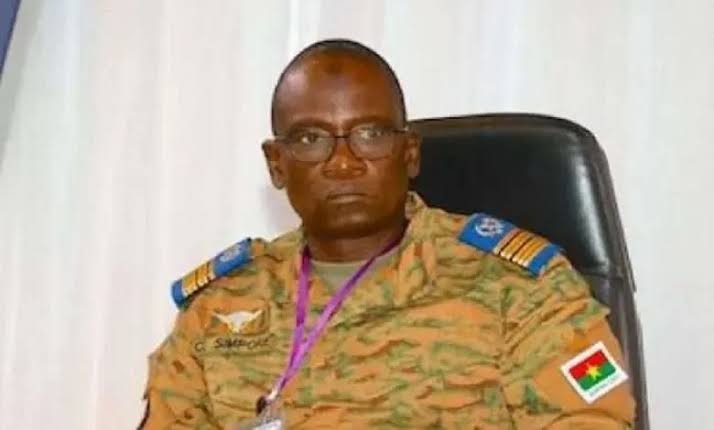
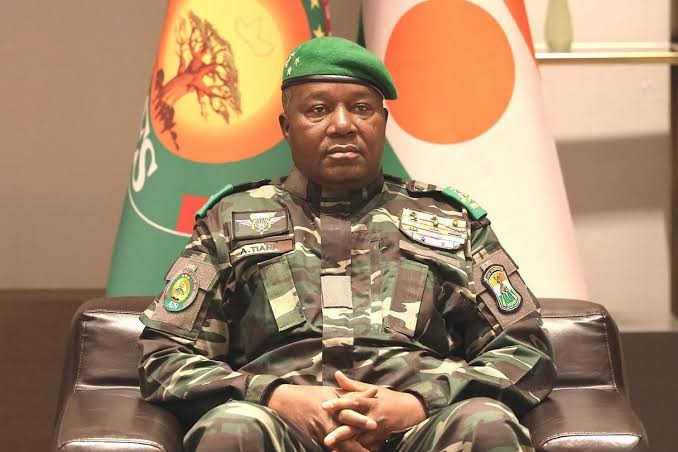
In 2025, leaders across West Africa and the Sahel have ramped up repression against civil liberties while consolidating their grip on power, according to Human Rights Watch’s latest findings.
In both Nigeria and the Sahel, Islamist armed groups, government forces, and their allies have repeatedly targeted civilians and civilian infrastructure. Concurrently, military juntas in the Sahel have systematically ousted regional and international bodies while undermining accountability mechanisms for human rights abuses.
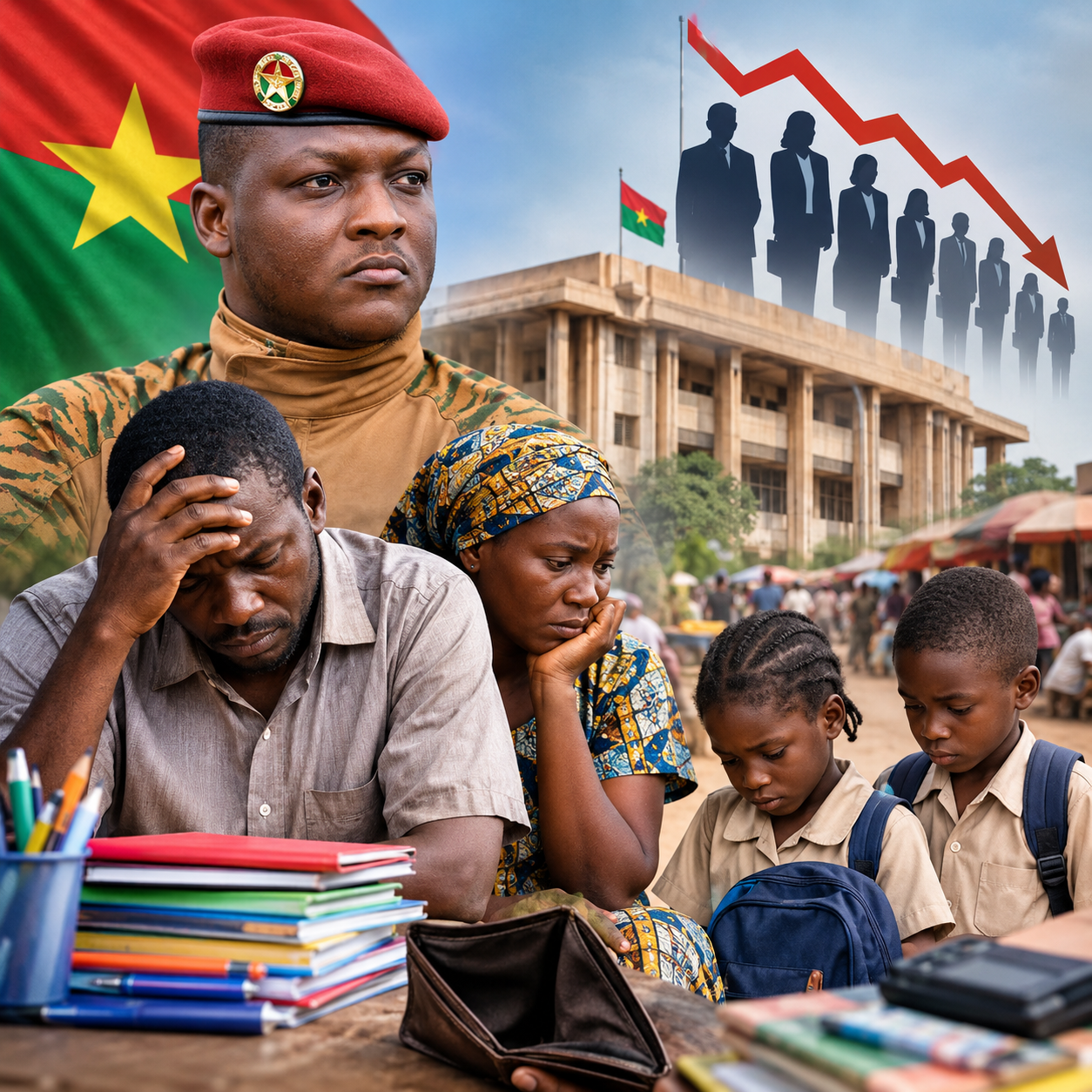
“Military juntas in the Sahel have escalated their crackdowns on free speech and other fundamental freedoms, disregarding pledged transitions to democracy,” said Mausi Segun, Africa Director at Human Rights Watch. “A stronger regional push is urgently needed to compel West African authorities to open political and democratic space and safeguard citizens’ rights.”
In its 36th edition, Human Rights Watch’s World Report 2026 scrutinizes human rights practices in over 100 countries. Executive Director Philippe Bolopion warns in the introductory essay that reversing the global authoritarian surge is the defining challenge of our time. With the human rights system under unprecedented threat from administrations like Trump’s and other global powers, Bolopion urges rights-respecting democracies and civil society to forge a strategic alliance to defend core freedoms.
Key Developments in the Region
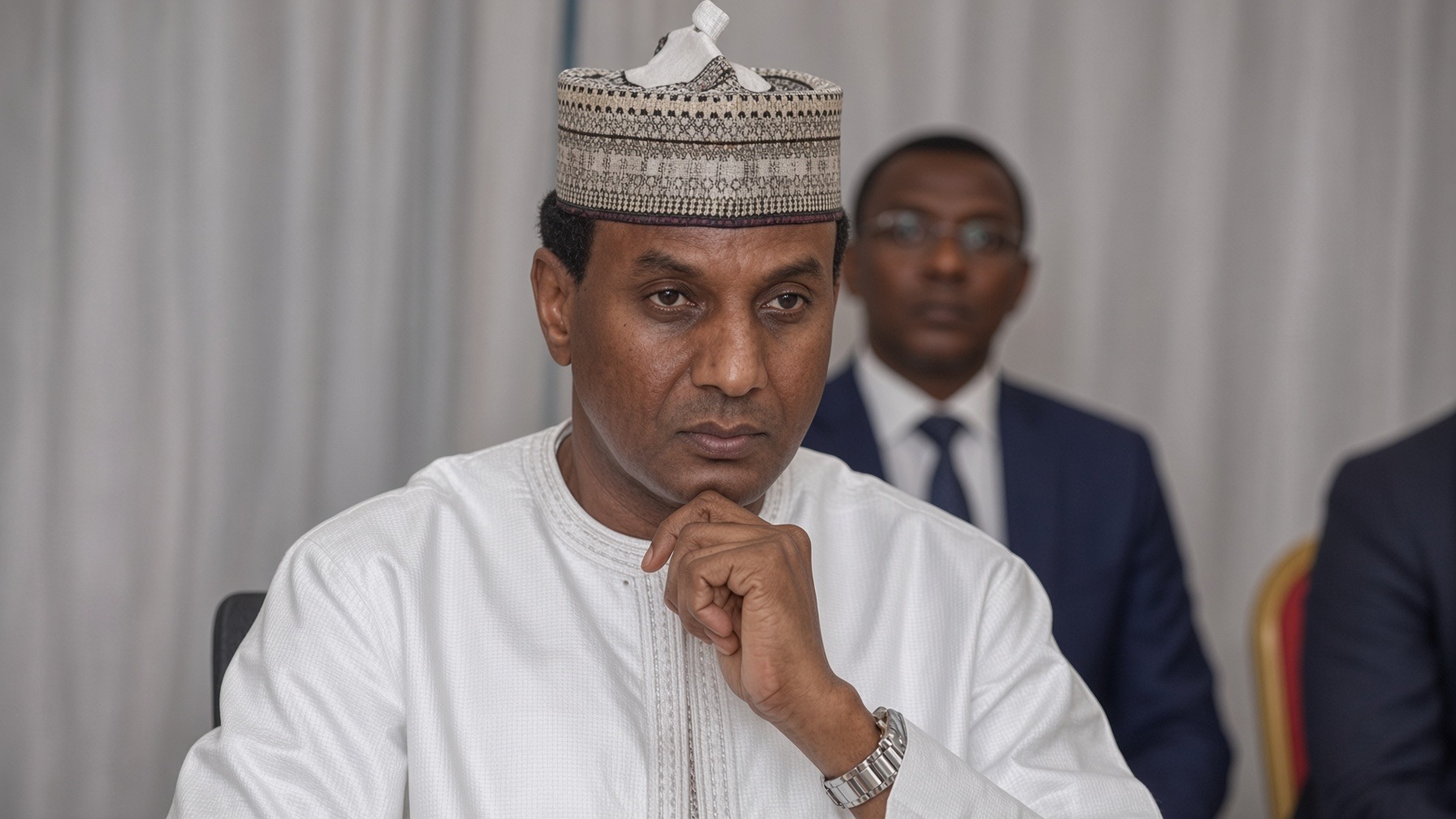
- Niger and Mali extended their transitional periods to democracy by five years and banned multiparty systems, while Chad abolished presidential term limits.
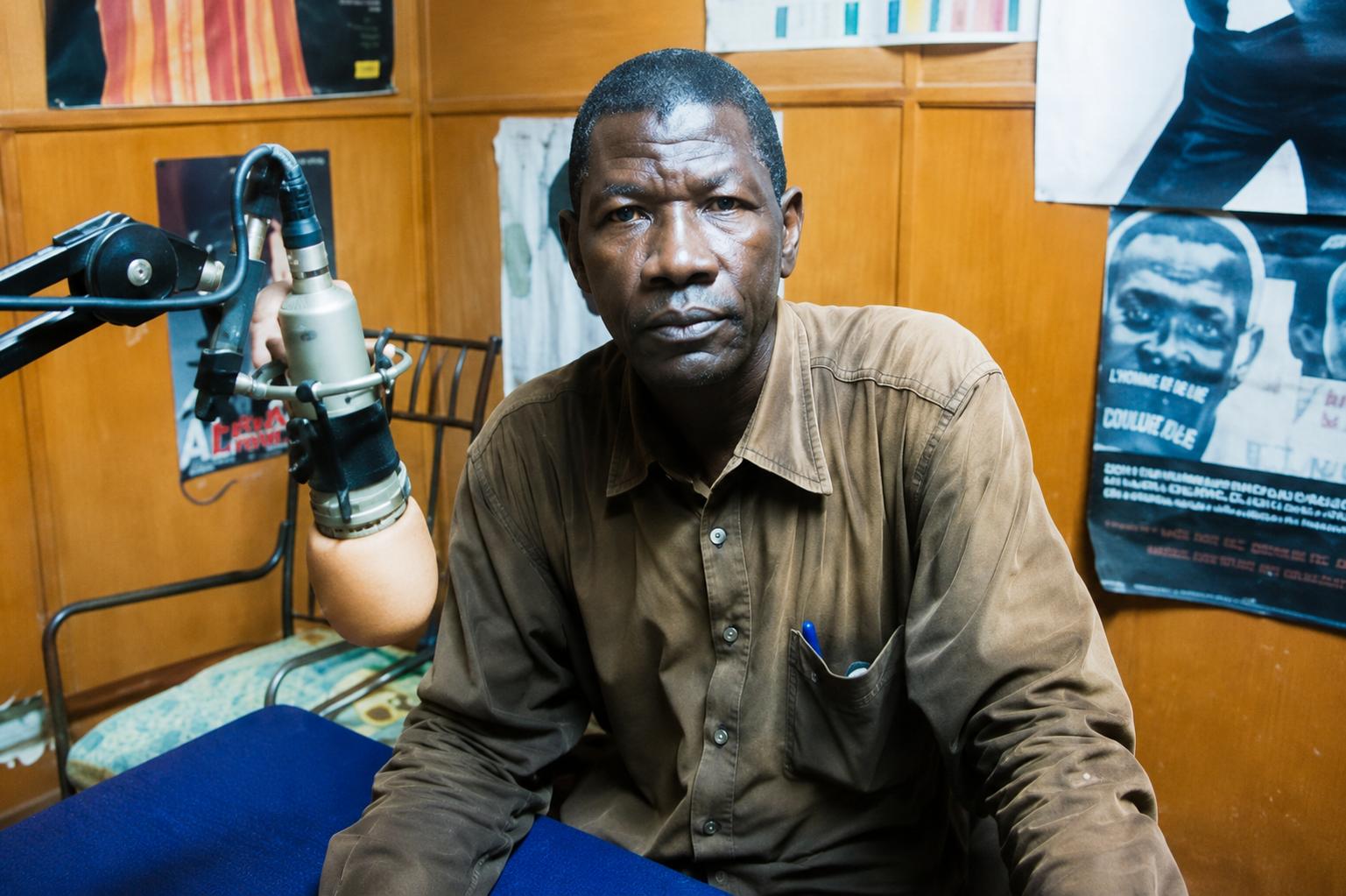
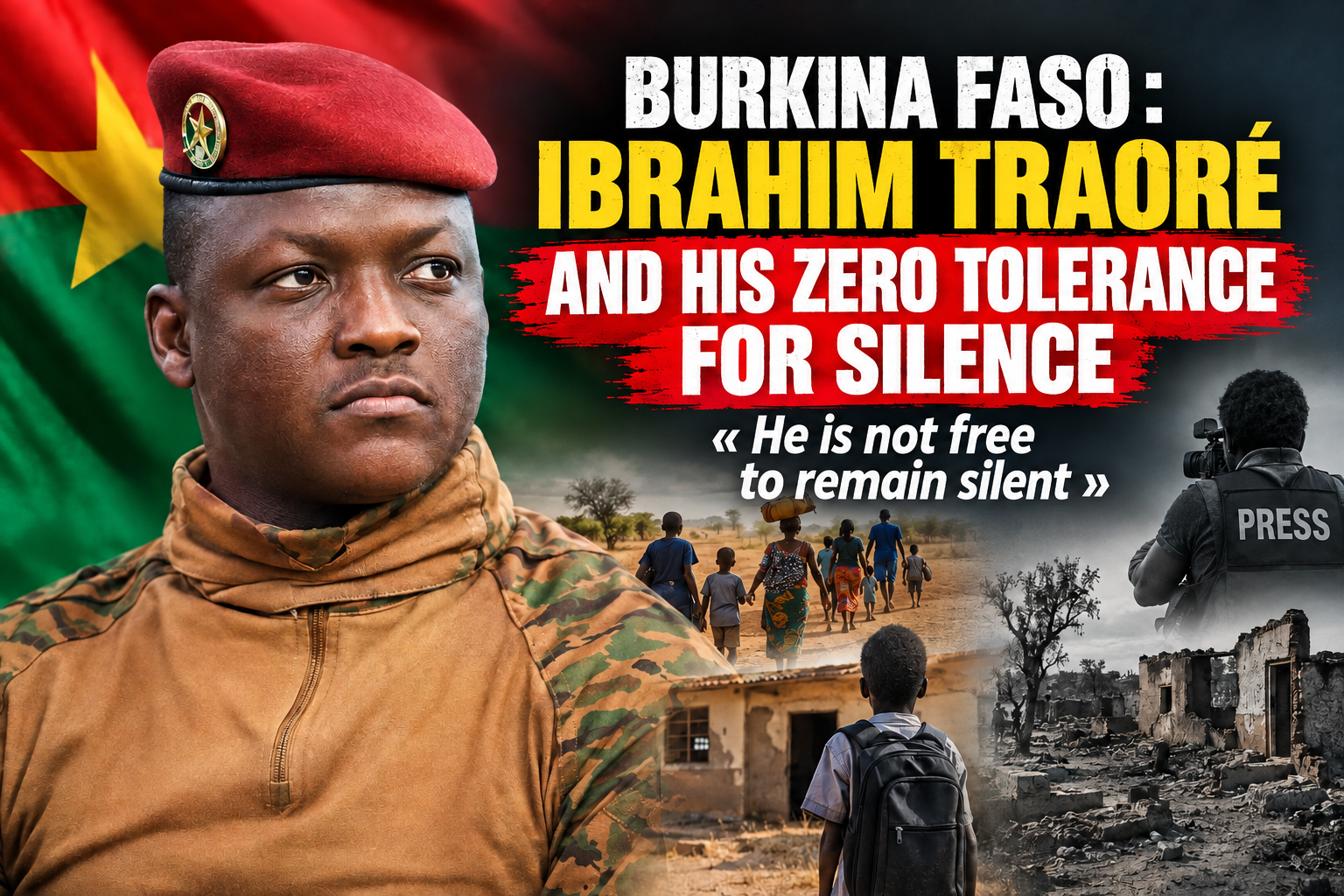
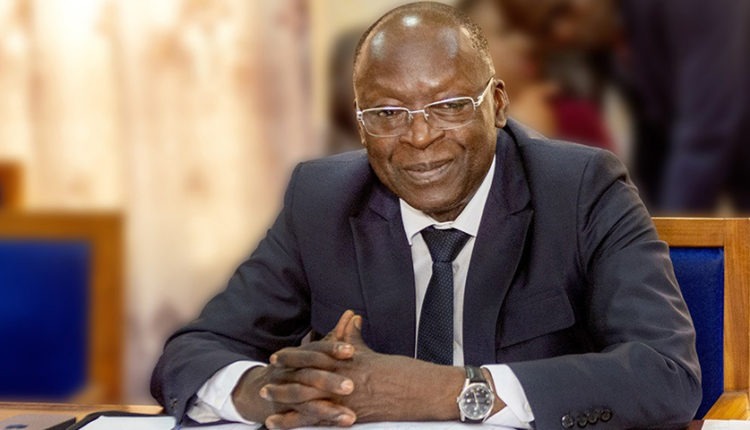
- Governments continued to suppress free speech, dissent, and media freedoms. In Burkina Faso and Mali, journalists, activists, and critics faced arbitrary detention, forced disappearances, or illegal conscription. In Nigeria, authorities arrested and prosecuted journalists and social media users under expansive cybercrime laws. Former Niger President Mohamed Bazoum remains arbitrarily detained without trial, while Chad’s opposition leader Succès Masra was sentenced to 20 years in prison on politically motivated charges.
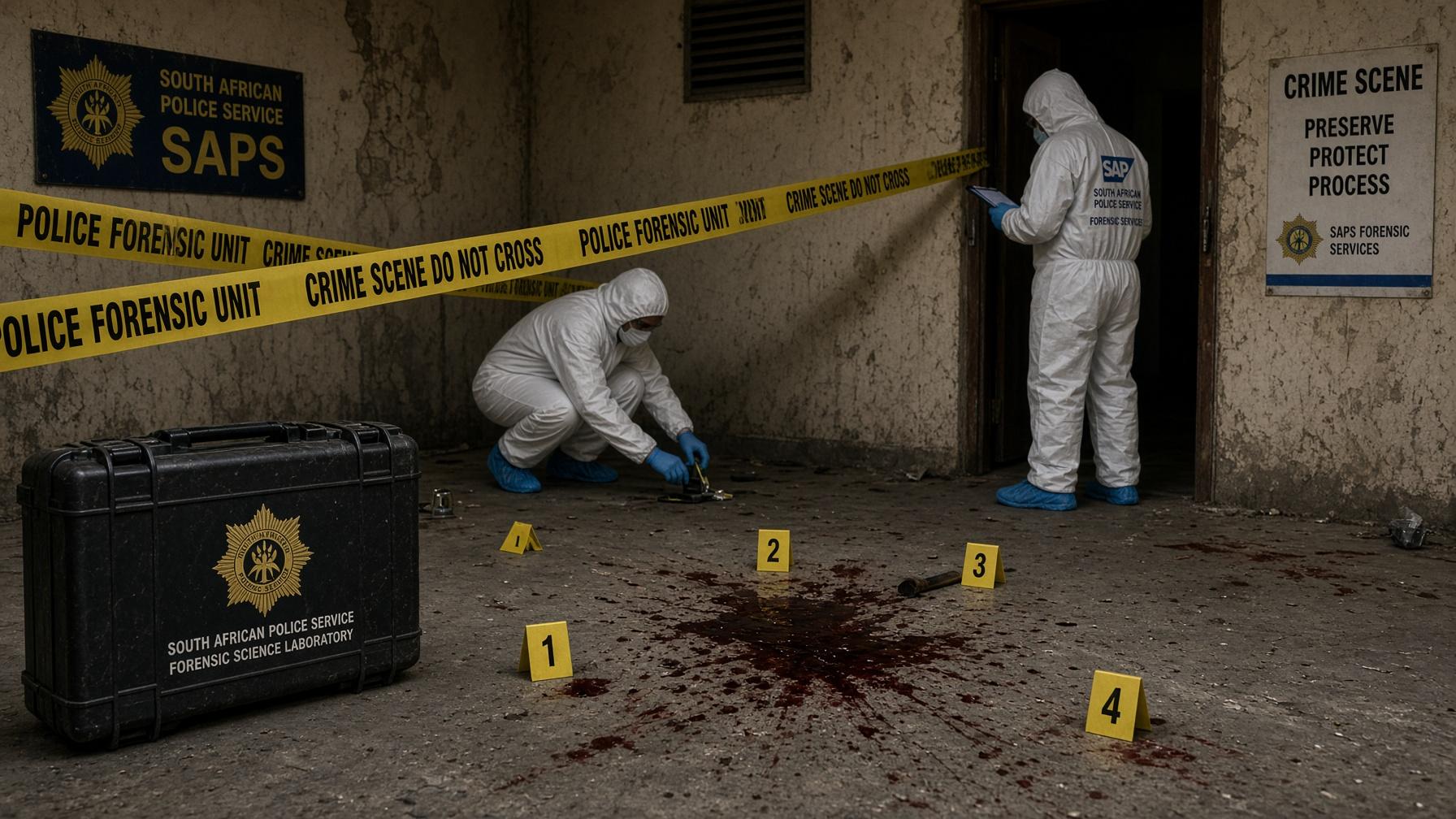
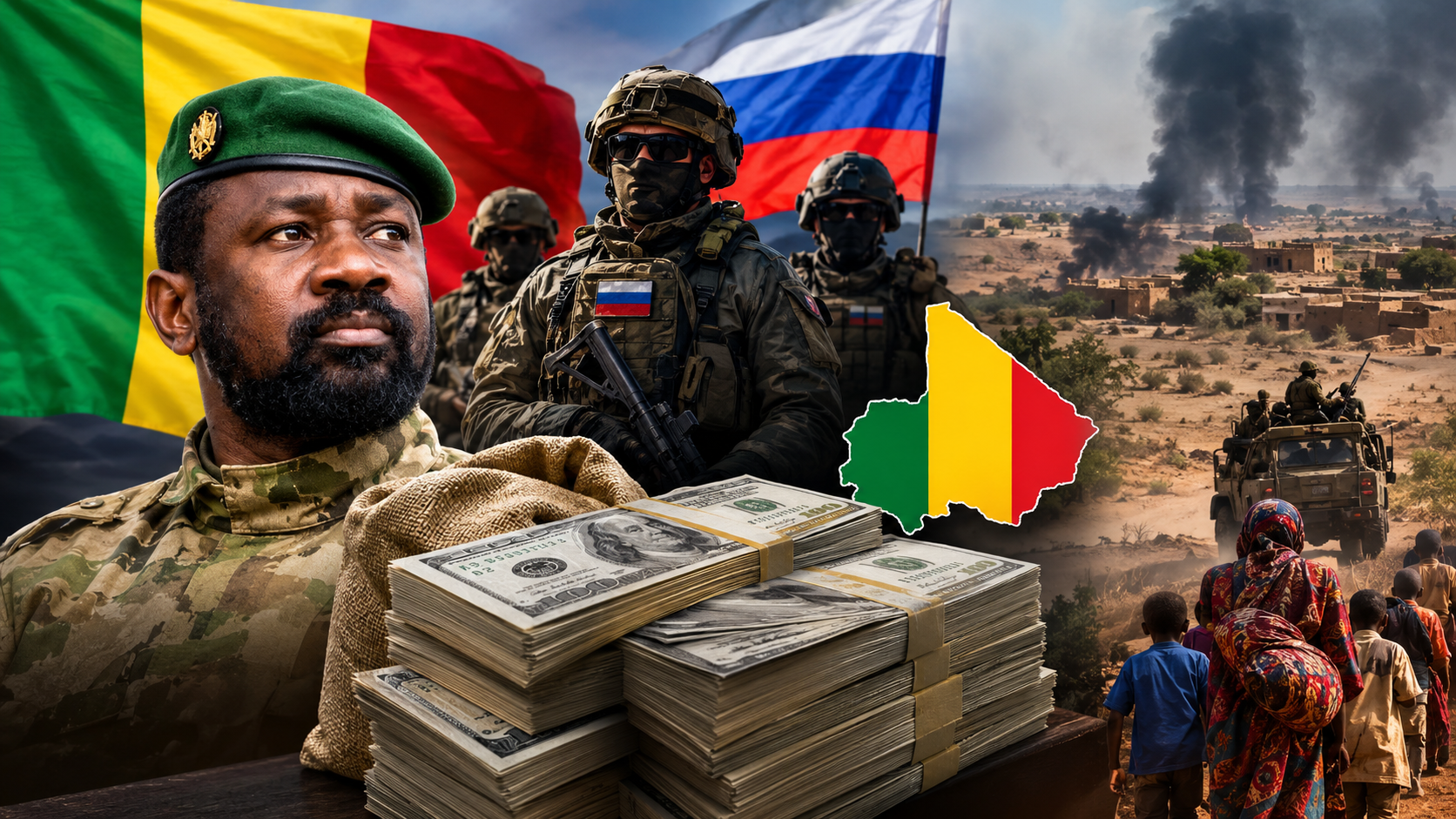
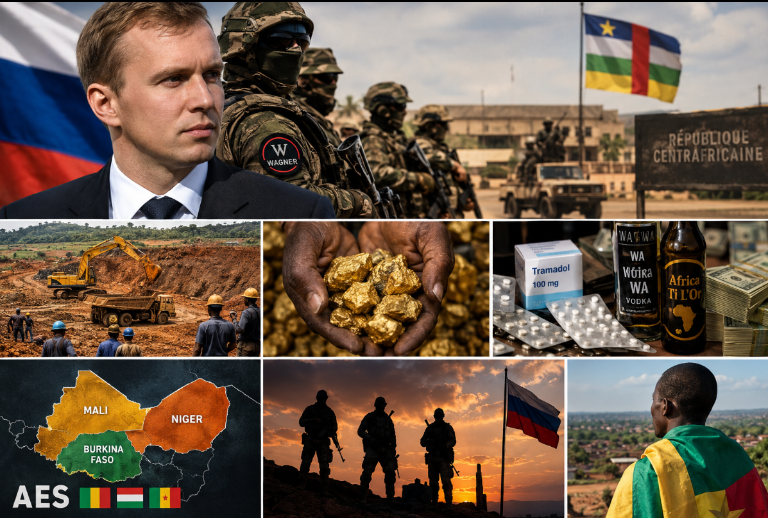
- Islamist armed groups, including the Group for Support of Islam and Muslims (JNIM) and the Islamic State in the Sahel (EIS), carried out deadly attacks against civilians in Burkina Faso, Mali, and Niger. Government forces, pro-regime militias, and the Russian-backed Africa Corps (formerly Wagner Group) were implicated in summary executions of Fulani civilians.
- In Nigeria, the resurgence of Boko Haram’s faction in Borno State, alongside rampant banditry in the northwest, has led to mass killings, kidnappings, and violent raids, with little accountability from authorities.
- Mali, Niger, and Burkina Faso finalized their withdrawal from the Economic Community of West African States (ECOWAS) and announced their exit from the International Criminal Court (ICC), severely jeopardizing justice for abuse victims.
Human Rights Watch urges the African Union and other regional and international bodies to intensify efforts to protect civilians from attacks and rights violations in the region.