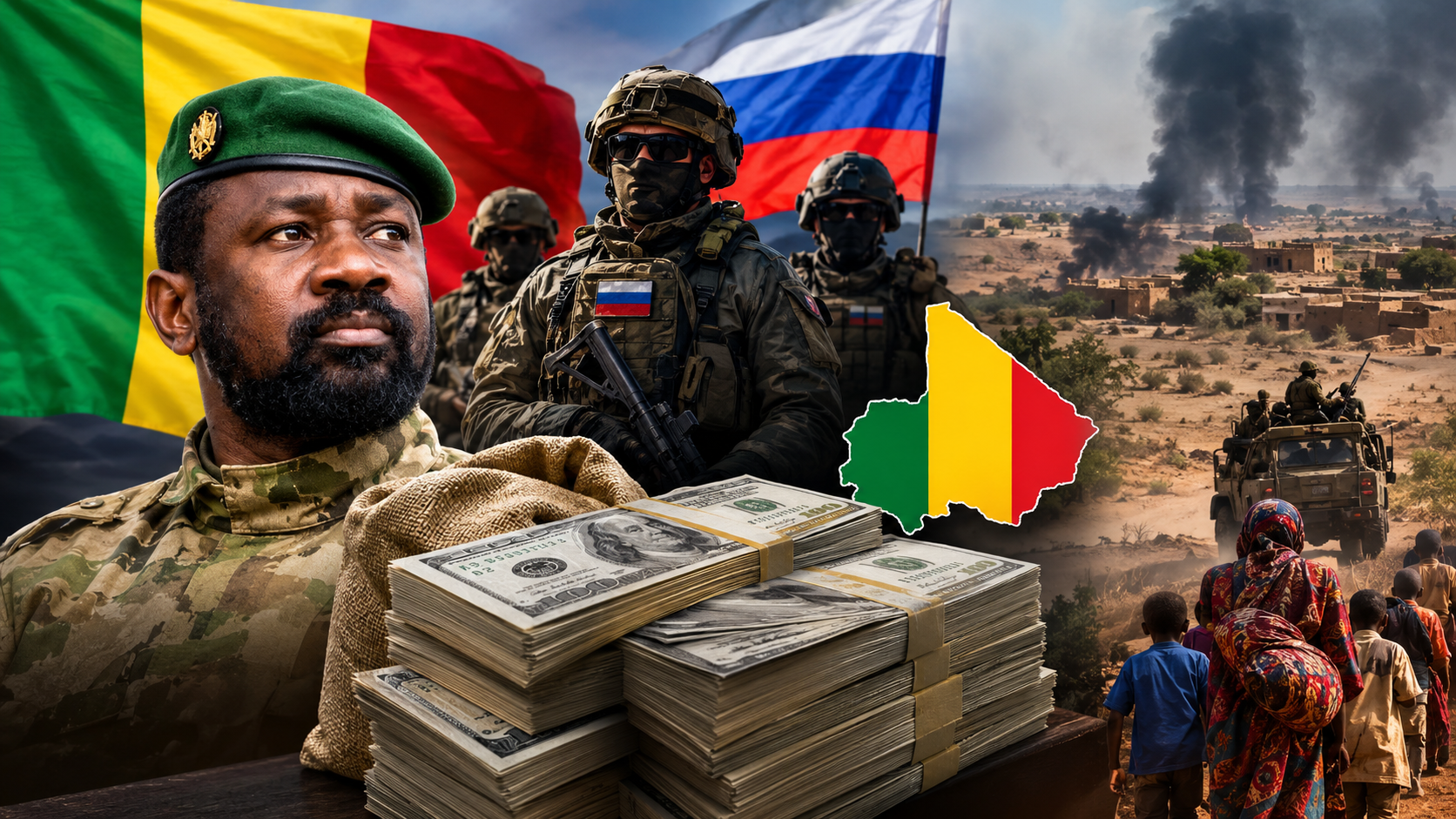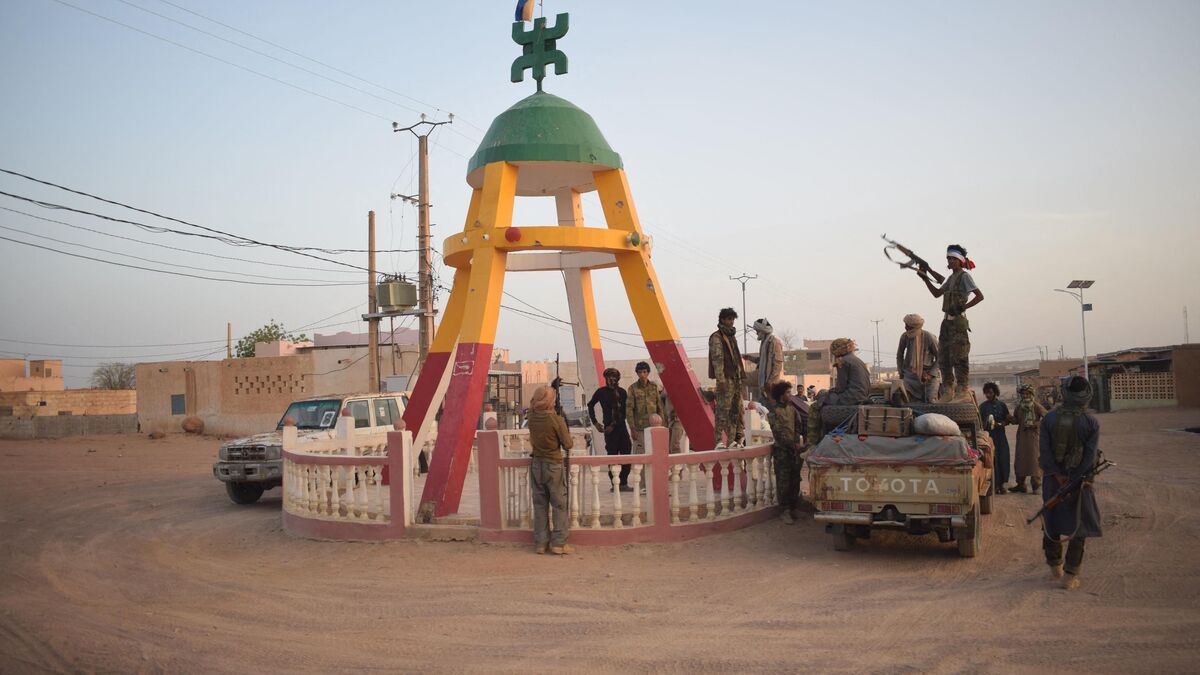
The strategic landscape of the Sahel is undergoing rapid transformation. In a significant development over the weekend, rebel forces including Islamist militants and Touareg separatists reclaimed control of Kidal, a critical stronghold previously dominated by the Africa Corps paramilitary group. This shift marks a pivotal moment in the region’s security dynamics, particularly for the military junta currently governing Mali.
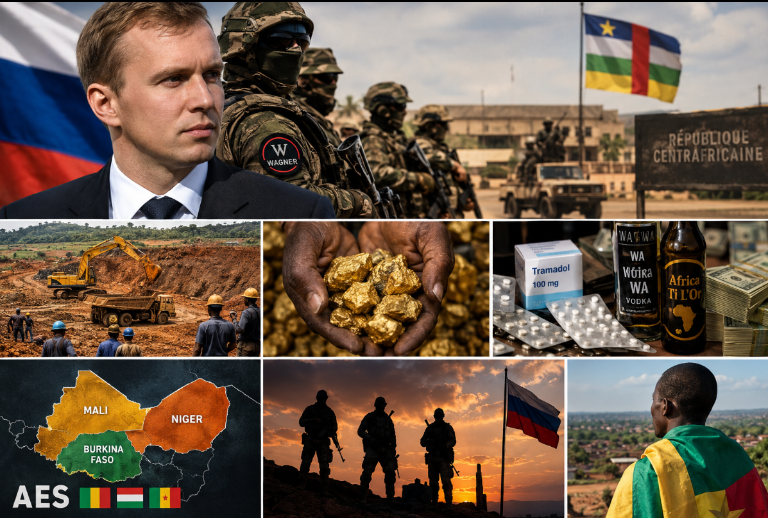
While the Africa Corps’ withdrawal from Kidal represents a setback, the organization remains a pivotal player in Russia’s broader African strategy. Established in 2023 under Kremlin oversight, this shadowy military entity has become Moscow’s preferred instrument for projecting power across the Sahel region, succeeding the now-defunct Wagner Group.
From Wagner to Africa Corps: a strategic evolution
The transition from Wagner to Africa Corps reflects Russia’s need for a more centralized and controllable military presence in Africa. Following the mysterious demise of Wagner’s founders—oligarch Evgueni Prigojine and former intelligence officer Dmitri Outkine—in August 2023, Moscow sought to consolidate its African operations under a single, state-controlled structure. Africa Corps emerged as this new vehicle, reportedly placed under the direct supervision of Russian Deputy Defense Minister Iounous-bek Evkourov.
Unlike its predecessor, which operated with relative autonomy, Africa Corps is characterized by its rigid command structure and close alignment with Kremlin directives. The organization’s naming itself carries symbolic weight, echoing the infamous Afrikakorps of Nazi Germany’s World War II campaigns in North Africa—a deliberate choice that underscores its historical and ideological undertones.
Africa Corps’ expanding footprint in the Sahel
Since its inception, Africa Corps has systematically extended its influence across multiple Sahelian nations. The group’s stated objectives include supporting governments in breaking free from neocolonial dependencies, eliminating Western presence, and securing full national sovereignty. In Mali, where Wagner previously maintained a robust presence, Africa Corps has taken over operations with thousands of combatants, absorbing many former Wagner personnel into its ranks.
The organization’s activities extend beyond Mali, with deployments reported in Burkina Faso, Libya, Sudan, the Central African Republic, and Niger. Africa Corps’ approach prioritizes strengthening ties with allied governments through the provision of military personnel and equipment, positioning itself as a more discreet alternative to Wagner’s controversial methods.
Security implications and international responses
Despite its lower profile, Africa Corps has not escaped international scrutiny. In 2024, the United Kingdom imposed sanctions against the group, accusing it of systematic human rights violations across the continent and exploiting natural resources for profit. These allegations highlight the ongoing challenges faced by African nations in balancing security partnerships with accountability and sovereignty concerns.
The group’s involvement in Mali takes on particular significance given the country’s ongoing struggles against Islamist insurgencies and separatist movements. Africa Corps’ deployment aligns with Moscow’s broader geopolitical goals, which include countering Western influence, controlling migration routes, and securing access to critical mineral resources. This strategy is unfolding against the backdrop of Mali‘s strained relations with former Western allies, particularly following the withdrawal of international forces such as France‘s Operation Barkhane.
What lies ahead for Africa Corps in the Sahel?
As Africa Corps continues to solidify its position in the region, questions remain about its long-term impact on local security dynamics. While its operations may be less overtly violent than Wagner’s, the group’s centralization under Russian command raises concerns about the erosion of local autonomy and the potential for prolonged instability. With rebel forces regaining ground in key areas like Kidal, the junta’s reliance on Africa Corps may prove increasingly tenuous, forcing both Moscow and Bamako to reassess their strategic calculations in the evolving Sahelian conflict landscape.