Mali’s hidden war ledger: why Africa Corps’ 358 fallen fighters expose deeper cracks in the Russian playbook
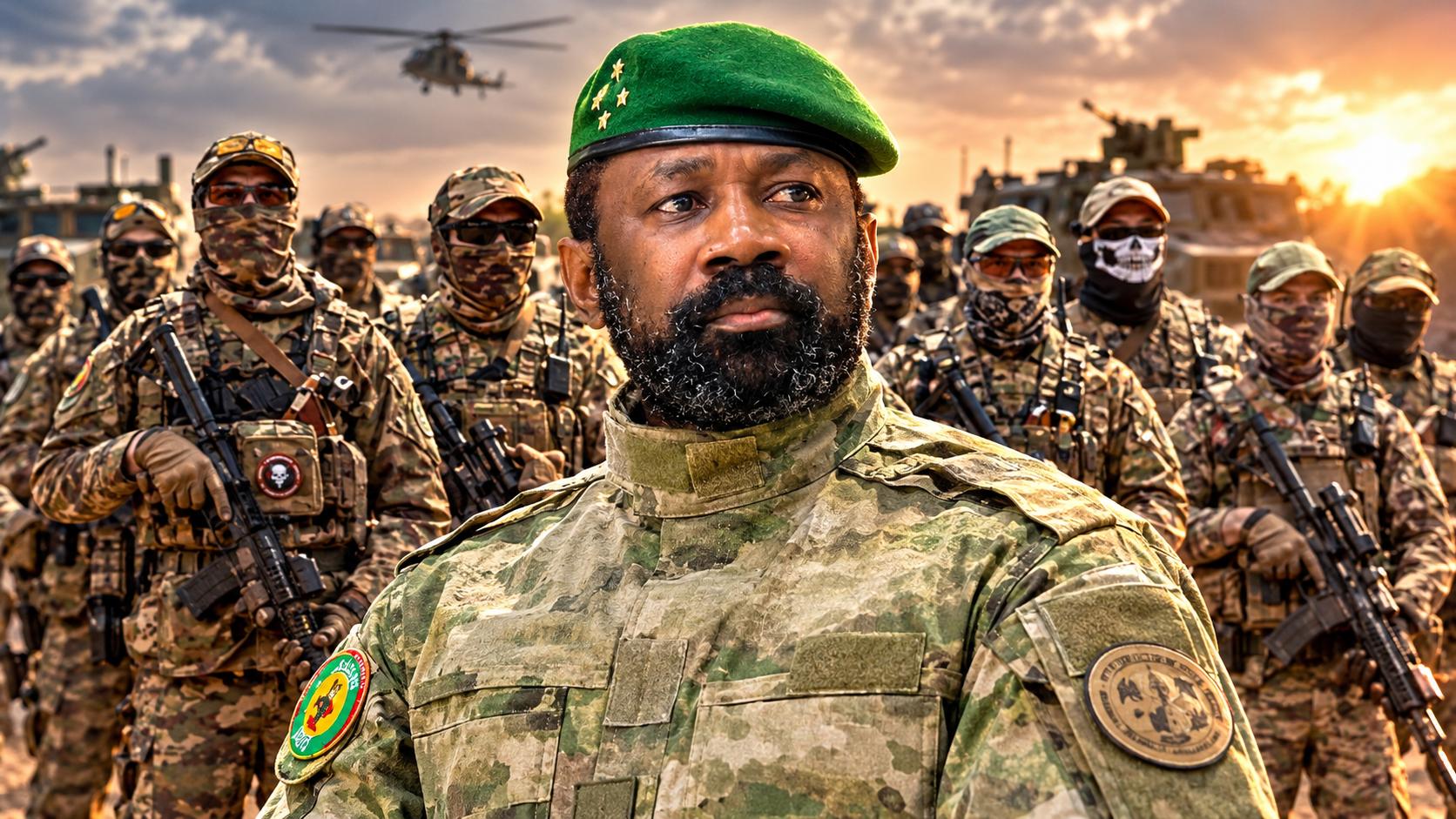
The official narrative of a swift security reconquest in the Sahel is showing unmistakable signs of strain. Behind the triumphant communiqués and televised handshakes, a very different reality is taking shape on the ground — one measured not in press releases but in body bags. The Russian paramilitary contingent deployed to Mali, once operating under the Wagner banner and now rebranded as Africa Corps, has sustained at least 358 combat deaths since its arrival in late 2021, according to tracking by independent conflict monitors and corroborated field intelligence.
The number that redefines the mission
To grasp the true weight of this figure, it helps to place it against the region’s recent military history. In roughly three years of operations in Mali alone, the Russian contingent has lost more than double the 59 French soldiers killed across nearly a decade of regional campaigns — first Serval, then Barkhane. That comparison alone forces a difficult question: what exactly is being purchased with this level of sacrifice?
How Sévaré and Dioura changed the equation
The seeds of this grim tally were planted long before the most recent headlines. The July 2024 ambush at Tinzawatène, where over 80 Russian fighters and their Malian counterparts were killed, delivered the first seismic shock. But it was the coordinated large-scale assaults on central and northern garrisons that turned a single disaster into a sustained pattern of attrition.
Repeated attacks on the strategic installations at Sévaré and the forward positions at Dioura dealt punishing blows to the joint FAMA–Africa Corps arrangement. Armed groups, exploiting intimate knowledge of the terrain and wielding modern tactical tools — including reconnaissance and strike drones — have turned these zones into killing fields. For the Russian troops, the cost of simply holding ground has become extraordinarily high.
A doctrine that courts disaster
The disparity in casualty rates is not merely a matter of luck or numbers. It flows directly from two fundamentally opposed ways of waging war.
- French operations (Serval/Barkhane, 2013–2022): roughly 59 soldiers killed over nearly nine and a half years, with a doctrine built on air support, technological intelligence, and the systematic avoidance of close-quarters contact.
- Africa Corps/Wagner (2021–2026): approximately 358 fighters killed in just three years in Mali, with personnel pushed directly into frontline sweeps through heavily mined terrain and zones riddled with IED ambushes.
Where Western forces prioritized standoff engagement and force protection, the Russian model places boots on the ground at the tip of the spear. The result is a rate of loss that has no recent equivalent in the Sahel.
The questions the junta would rather avoid
This human toll is compounded by a financial burden estimated in the hundreds of billions of CFA francs — a staggering sum that raises uncomfortable questions about the return on such an imported security model. Inside military barracks and among ordinary citizens alike, doubts are beginning to surface about whether this strategy can be sustained.
The military transition’s founding promise was a rapid pacification of the national territory. Instead, the accelerating losses within the country’s key security partner tell a different story: a complex war of attrition that is deepening, not resolving, and whose human cost keeps climbing with no clear exit in sight.
What lies beneath the headlines
Beyond the statistics, what is emerging is a structural mismatch. The Africa Corps model was sold as a decisive, sovereign alternative to Western engagement — one that would deliver results without the perceived constraints of partnership. Yet the very doctrine that makes it distinctive, direct ground combat and aggressive pursuit, is also what makes it so costly against insurgents who know the terrain and have adapted their tactics accordingly.
For Moscow, the mounting losses raise hard questions about the sustainability of its Sahelian ambitions. For the junta in Bamako, they threaten to erode the central justification for pivoting away from traditional allies. And for the populations caught between armed groups and foreign fighters, the arithmetic of three years offers little comfort — only the sobering realization that a war of attrition, by its very nature, consumes everything it touches.