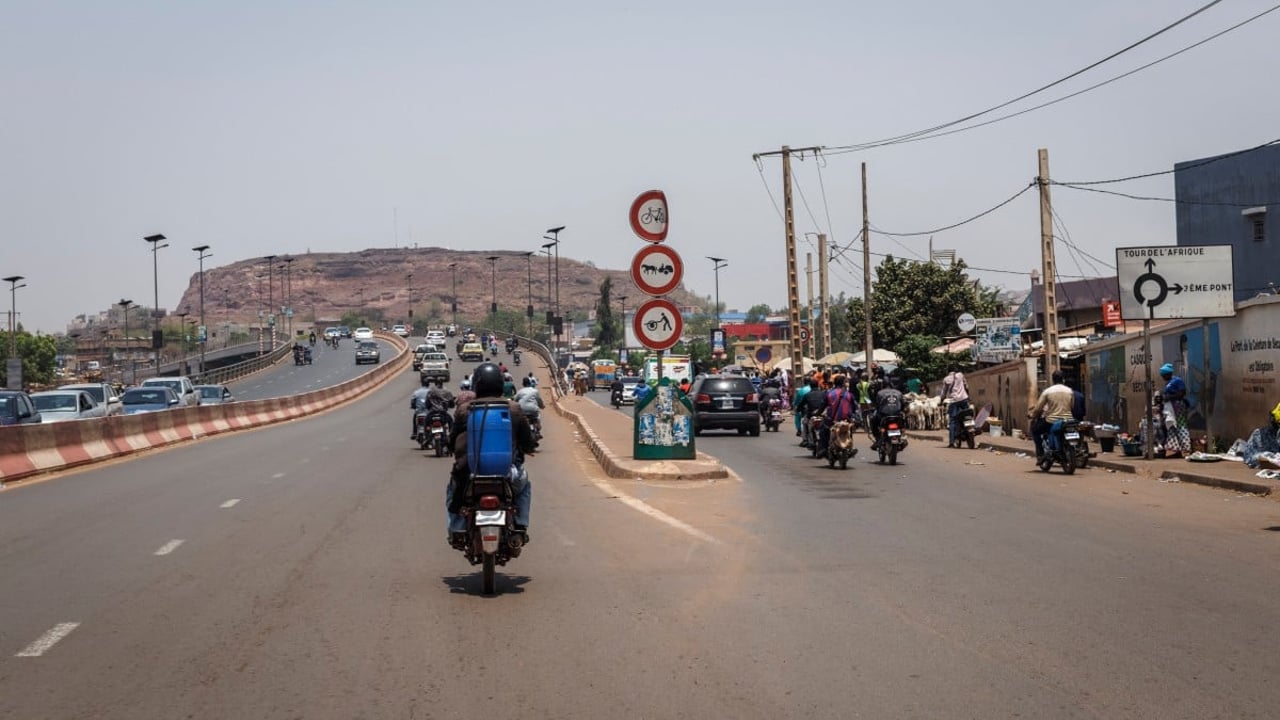
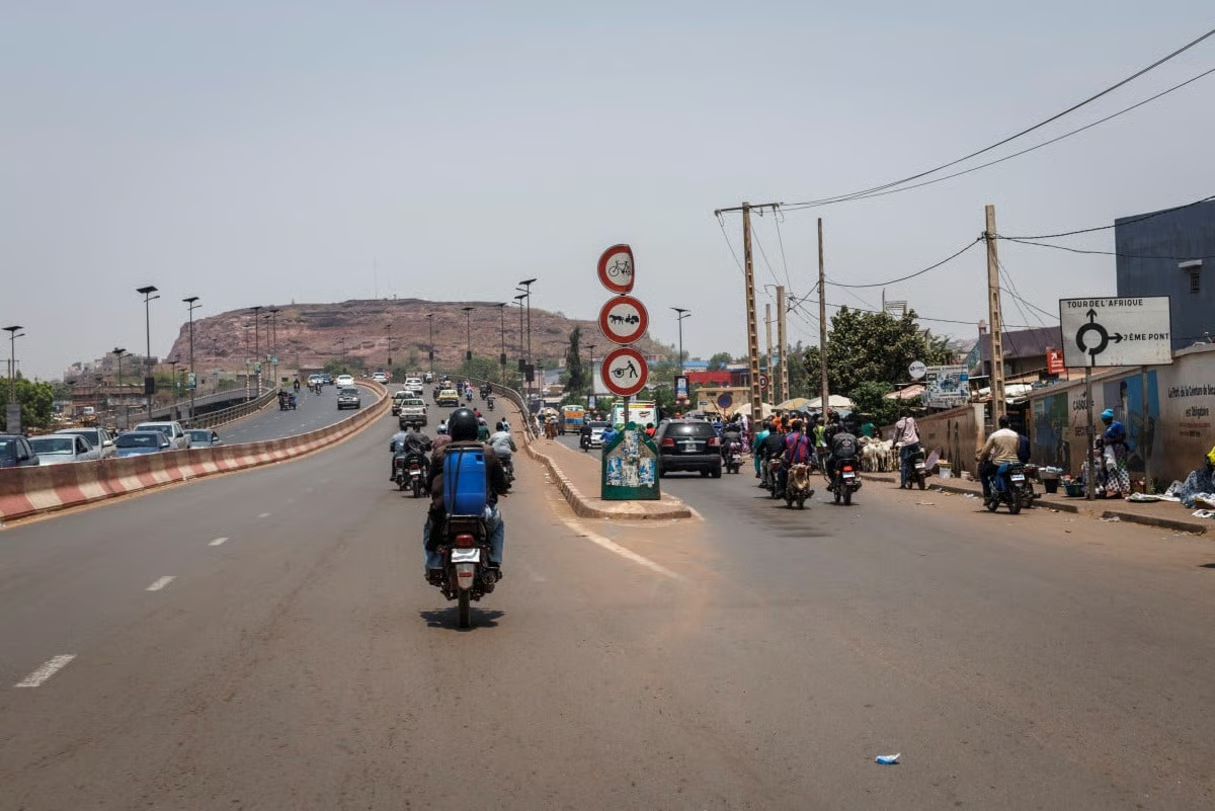
More than twelve road transport operators have ceased their services to and from Bamako, as jihadist groups enforce a substantial road blockade around the capital, leading to vehicle torchings.
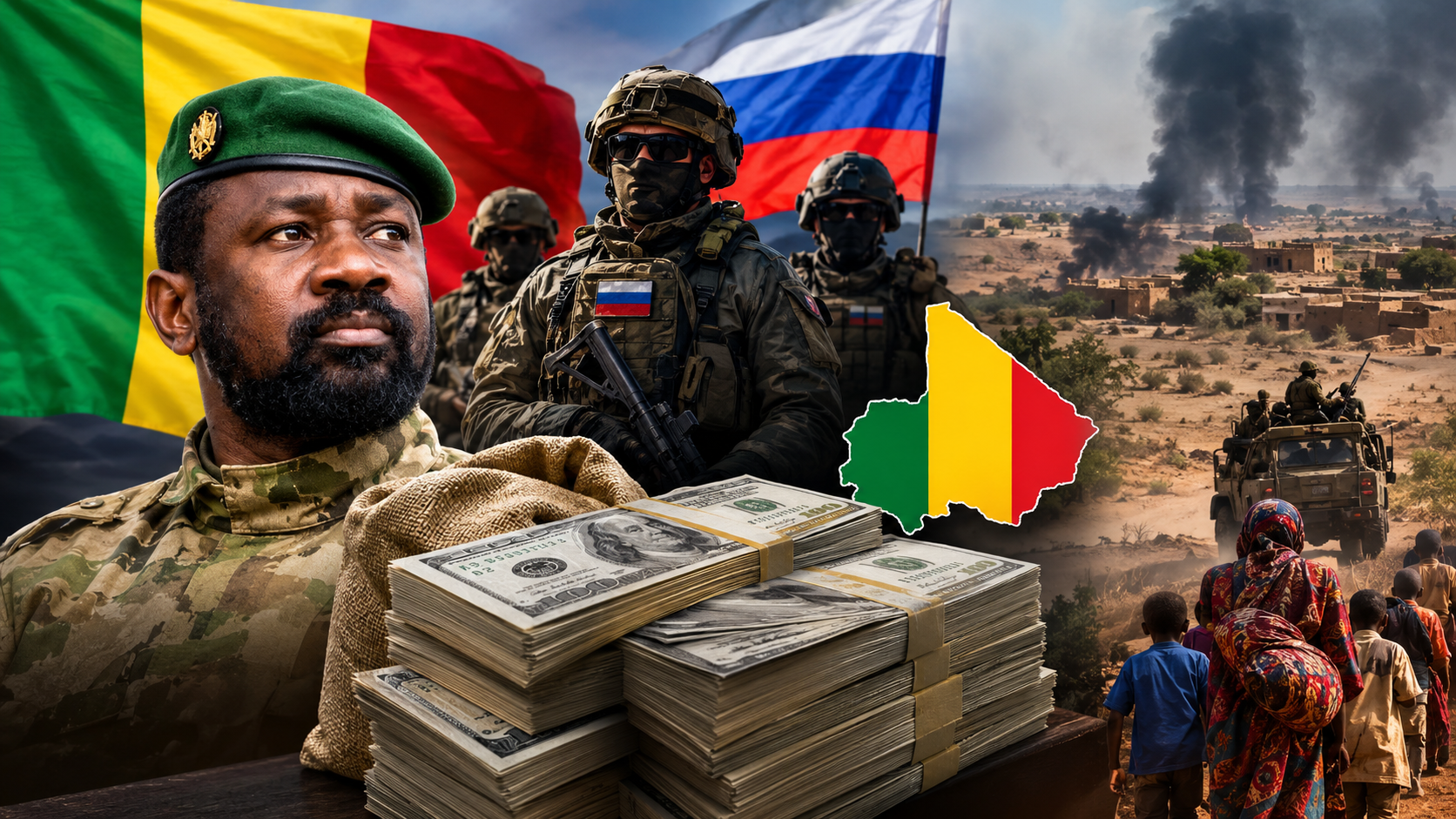
Mali is currently grappling with considerable instability following extensive and coordinated assaults on April 25th and 26th. These attacks were orchestrated by the Groupe de soutien à l’islam et aux musulmans (Jnim), an Al-Qaeda affiliate, alongside the predominantly Tuareg Front de libération de l’Azawad (FLA) rebellion, targeting key strategic locations held by the ruling junta.
Since April 30th, the jihadists have maintained a stringent road blockade on Bamako, obstructing several vital routes into the capital. This landlocked nation, like its capital, heavily relies on road-based imports.
“We made the decision to pause our operations to safeguard our passengers and mitigate financial losses,” an agency head stated on Monday, noting their company had six buses destroyed during incidents last Saturday on the Ségou road in Central Mali.
While over a dozen companies have publicly declared the suspension of their services, others ceased operations without formal announcement, fearing potential repercussions from authorities who might compel them to continue, according to an anonymous agency executive. Major transport firms no longer operate on the six primary routes into the capital, though some minibuses are reportedly still accessing the city via alternative paths.
Fuel, electricity, and water shortages hit Bamako
The impact of the jihadist-imposed blockade is evident across Bamako’s streets. On Monday, long queues of motorcyclists were observed at petrol stations, with diesel fuel having become scarce over recent weeks. Authorities did confirm on Saturday that over 700 fuel tankers managed to enter the capital via the route connecting Bamako to Côte d’Ivoire. However, in recent days, jihadist groups have set fire to numerous convoys carrying goods and public transport buses.
Furthermore, the capital has experienced a significant decline in electricity supply for several days. A Bamako resident reported spending “seventy-two hours without any power. It returned on the fourth day for three hours, then went out again.” Énergie du Mali (EDM) confirmed on Sunday that severe disruptions were due to an “incident,” without detailing its cause. An anonymous EDM official stated on Monday that these were acts of sabotage by “terrorists” targeting the electrical grid.
Consequently, due to power outages, “the supply of potable water is disrupted” across several of the city’s districts, as announced by the Société malienne de gestion de l’eau potable on Sunday.