Mali launches historic program to safeguard ancient manuscripts
Mali is taking a bold step to protect its cultural legacy with the launch of an ambitious training program dedicated to the preservation and accessibility of ancient manuscripts. Spearheaded by the UNESCO Mali Office in collaboration with the SAVAMA-DCI NGO, this initiative targets over 70 participants, including manuscript-keeping families, students, and researchers.
Preserving Mali’s intellectual treasures
The ancient manuscripts of the Sahel, particularly those in Mali, represent an irreplaceable repository of knowledge and historical insight. These documents not only reflect the continent’s rich intellectual heritage but also face growing threats from security crises and climate change. Recognizing the urgency, national authorities and international partners are prioritizing their protection through structured conservation efforts.
The training program is designed to strengthen local capacities in managing these invaluable assets. Structured around two intensive workshops, it covers the entire lifecycle of manuscript preservation:
Workshop 1: Identifying and locating ancient manuscripts
- Scheduled from June 29 to July 1, 2026
- Focuses on field techniques for locating and verifying manuscripts in private collections, libraries, and traditional repositories
- Equips participants with skills to systematically document and assess manuscript authenticity and condition
Workshop 2: Systematic documentation and cataloging
- Runs from July 2 to July 4, 2026
- Teaches standardized methods for cataloging, indexing, and creating descriptive records for each manuscript
- Ensures long-term accessibility and traceability of these cultural artifacts
A collaborative effort for future generations
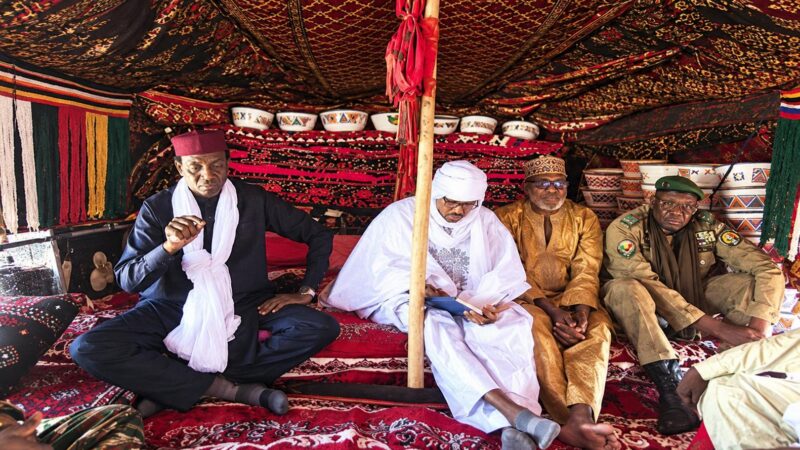
The initiative was inaugurated on June 29, 2026, with the presence of high-level representatives, including the Acting Head of the UNESCO Mali Office and the Executive President of SAVAMA-DCI. The opening ceremony was presided over by a senior advisor to the Minister of Crafts, Culture, Hospitality, and Tourism, underscoring the government’s commitment to this cause.
Speaking at the event, the UNESCO representative emphasized the symbolic importance of preserving these manuscripts: “These documents are not just artifacts—they are living records of our shared identity, memory, and intellectual history. By protecting them, we safeguard the future of our heritage.”
The program’s first phase directly benefits 15 agents from manuscript-keeping families, empowering them to conduct field missions, accurately identify manuscripts, and contribute to structured inventory systems. Future sessions will extend training to students and researchers, focusing on critical editing and translation of ancient texts.
This initiative is part of a broader strategy supported by the Government of Japan, reaffirming international solidarity in preserving Africa’s documentary heritage. The ultimate goal is twofold: to ensure these treasures endure for future generations and to elevate their recognition as cornerstones of historical and cultural significance.
A long-term vision for Mali’s cultural resilience
By equipping local stakeholders with the tools and knowledge to manage these manuscripts, Mali is not only protecting its past but also fostering a sustainable model for cultural preservation. The training program marks a pivotal milestone in the country’s efforts to integrate heritage conservation into national development priorities.