Mali army and allied militias accused of killing 31 civilians in central region
alleged atrocities in Ségou region linked to counter-insurgency operations
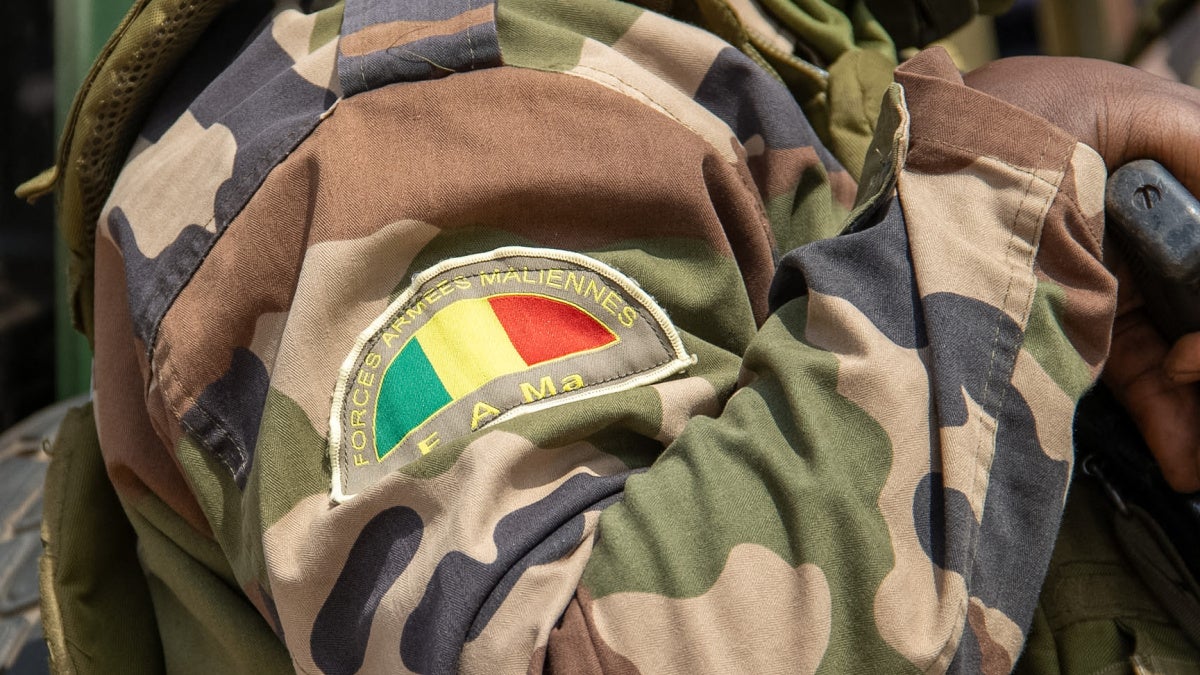
Nairobi – The Malian Armed Forces (FAMA) and allied militias reportedly killed at least 31 civilians and set fire to homes in two villages in the central Mali’s Ségou region during operations conducted on October 2 and 13, according to findings by Human Rights Watch.
On October 2, Malian soldiers and Dozos militias—traditionally made up of men from the Bambara ethnic group who have participated in counter-insurgency efforts for over a decade—allegedly executed at least 21 men and torched at least 10 homes in the village of Kamona. Witnesses claim the forces targeted civilians accused of collaborating with the Group for the Support of Islam and Muslims (GSIM), an Al-Qaeda affiliate controlling the area. Survivors reported that soldiers and Dozos militias summarily executed villagers after rounding them up.
Tragedy struck again on October 13 in the village of Balle, located roughly 55 kilometers away. Soldiers and Dozos militias killed nine men and one woman, according to local accounts. Both villages lie within GSIM-controlled territory, where the group has enforced its rule, including collecting zakat (Islamic tax) and settling disputes through its own judicial system.
witness testimonies and evidence of violence
Human Rights Watch conducted phone interviews in October with 10 individuals familiar with the incidents, including five witnesses, community leaders, civil society activists, and journalists. No response was received from Malian authorities to inquiries sent on November 8 regarding the findings.
Survivors described soldiers arriving in at least seven pickup trucks and three armored vehicles, accompanied by Dozos on motorcycles. Witnesses in Kamona reported that the GSIM had warned residents of the army’s advance, prompting many to flee. Those who remained were allegedly gathered and executed. A survivor recounted, “Those who couldn’t escape were rounded up and shot.”
In Kamona, 17 bodies were later found under a tree, with four more discovered north of the village. Survivors reported that soldiers burned at least 10 huts and three sheds belonging to Fulani ethnic residents. A 40-year-old shepherd hiding with his 9-year-old daughter described the gruesome scene: “The victims had been riddled with bullets. One had his head completely crushed. I saw bullet casings scattered around.”
Another villager, aged 39, helped bury the dead. “We dug a mass grave under the tree and placed the 17 bodies there. Four more were found further north, all shot in the abdomen and head. We buried them in another grave and covered them with sand.”
Locals provided a list of 21 male victims aged 20 to 65, though some believe additional deaths occurred in the surrounding bush. “We heard at least 15 more men were killed that day, but we didn’t check because we feared the army would return,” one resident stated.
In Balle, soldiers and Dozos arrived on October 13, prompting some residents to flee. A 24-year-old man recounted, “I didn’t run immediately, but when I saw soldiers going door-to-door and assaulting men, I hid. From my hiding place, I heard gunshots.”
Witnesses reported that soldiers and militiamen killed 10 civilians, including a 55-year-old woman, and stole over 100 cattle. A 33-year-old man found the bodies scattered in the village. “They were shot at close range. Some had broken limbs.” The slain woman’s 21-year-old daughter described how her mother confronted the soldiers before being executed: “She accused them of mistreating villagers. They took her to where the men were gathered and shot her.”
The Malian military’s chief of staff claimed in a statement that the operation in Balle was an “offensive reconnaissance” that neutralized “around twenty terrorists” and seized military equipment. However, locals dispute this, stating Balle has been under GSIM control for years, with no government presence.
a pattern of abuse and impunity in the Sahel
Since 2012, Mali’s successive governments have waged armed conflicts against Islamist militant groups, resulting in thousands of civilian deaths and displacing over 402,000 people, according to UNICEF. Human Rights Watch has documented grave abuses by Malian forces, allied militias, and mercenary groups during counter-insurgency operations, as well as atrocities committed by GSIM and other armed factions.
The recent military attacks on civilians in Ségou followed GSIM’s siege of Bamako in early September, which cut off fuel supplies to the capital and forced the military junta to temporarily shut down all schools and universities.
All parties in the conflict are bound by international humanitarian law, including Common Article 3 of the 1949 Geneva Conventions and customary laws of war. These prohibit attacks on civilians, murder, cruel treatment, and torture. Individuals responsible for war crimes or command responsibility may face prosecution.
While Mali withdrew from the International Criminal Court (ICC) in September, it remains a party to the Rome Statute until September 2026. The ICC opened an investigation into alleged war crimes in Mali in 2013.
The African Union (AU) has faced criticism for its limited response to the escalating conflict. Despite its mandate to promote peace and security, the AU’s Peace and Security Council has issued only statements expressing concern, failing to take concrete action.
Ilaria Allegrozzi, senior Sahel researcher at Human Rights Watch, emphasized the need for urgent intervention: “The AU Peace and Security Council must prioritize the Mali conflict. It should hold regular briefings, strengthen diplomatic efforts, and coordinate regional and international actions to ensure accountability for abuses by all parties.”