Deadly clashes in central Mali villages leave 31 civilians dead
Mass violence erupts in Ségou following Islamist group advances
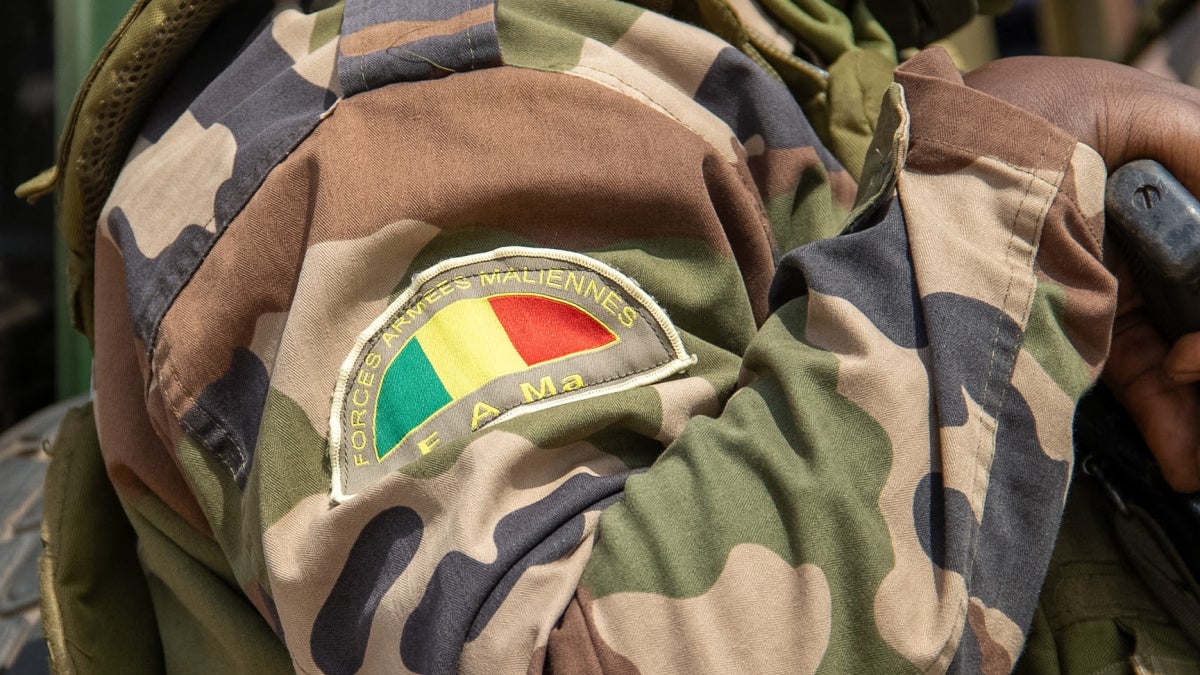
A coordinated operation by Malian armed forces and allied militias has left at least 31 civilians dead in two villages in the Ségou region of central Mali. The attacks, which occurred on October 2 and 13, targeted civilians accused of collaborating with the Group for the Support of Islam and Muslims (JNIM), an Al-Qaeda-affiliated group operating in the area.
October 2 massacre in Kamona: 21 men executed
On the morning of October 2, military personnel in camouflage uniforms, accompanied by Dozo militiamen—traditionally clad hunters from the Bambara ethnic group—arrived in Kamona in at least seven pickup trucks and three armored vehicles. Witnesses reported that residents had been forewarned of the operation by JNIM fighters, prompting many to flee. Those unable to escape were rounded up and executed.
Survivors described a horrific scene: 17 bodies were found beneath a large tree, while four others were discovered north of the village. Homes belonging to Fulani ethnic families were set ablaze, with at least 10 huts and three storage buildings destroyed. A 40-year-old shepherd, who had hidden with his 9-year-old daughter, recounted discovering the bodies: “The people had been riddled with bullets. One man’s head was completely shattered. Spent casings littered the ground.“>
Local leaders compiled a list of 21 male victims, all between 20 and 65 years old. One villager claimed that at least 15 additional men were killed in nearby bushland, though confirmation was impossible due to ongoing threats. “We heard gunfire but dared not investigate,” he stated.
October 13 attack in Balle: 10 more civilians killed
Thirteen days later, a similar operation unfolded in Balle, approximately 55 kilometers from Kamona. Military forces in five pickup trucks and Dozo militiamen on 30 motorcycles stormed the village, sparking panic among residents. A 24-year-old man who delayed his escape described soldiers conducting door-to-door searches, assaulting men and firing indiscriminately.
The attackers killed 10 civilians, including a 55-year-old woman, and stole over 100 cattle. A 33-year-old resident found the bodies clustered together, with multiple gunshot wounds and broken limbs. The victim’s daughter tearfully recounted how her mother, protesting the soldiers’ actions, was separated from the group and executed.
Villagers in Balle have lived under JNIM control for years, paying Islamic taxes (zakat) and relying on the group to resolve disputes. “There are no soldiers or police here—only the jihadists,” one man explained. “The army doesn’t distinguish between us and them.”
Military claims disputed by survivors
The Malian military’s official statement on October 14 described the Balle operation as a “counterterrorism offensive” that “neutralized 20 terrorists” and seized weapons. However, witnesses and local leaders vehemently denied any armed confrontation. “We’ve paid taxes to JNIM for years. If disputes arise, they settle them. There’s no military presence here,” a resident asserted.
The attacks coincide with JNIM’s siege of Bamako, which began in early September, disrupting fuel supplies and forcing the military junta to shutter schools nationwide. Since 2012, Mali’s conflict with Islamist factions has displaced over 400,000 people and claimed thousands of civilian lives.
Calls for accountability and international action
International humanitarian law prohibits attacks on civilians and the use of lethal force without distinction. Despite Mali’s withdrawal from the International Criminal Court (ICC) in September, the court retains jurisdiction over alleged war crimes committed before 2026. The African Union has faced criticism for its limited response to the escalating violence, with calls for stronger diplomatic and regional coordination to address abuses by all parties.
As the security crisis deepens, urgent action is needed to hold perpetrators accountable and protect vulnerable communities in central Mali.