Mali: armed raid on exiled opponent’s Bamako home amid security crisis
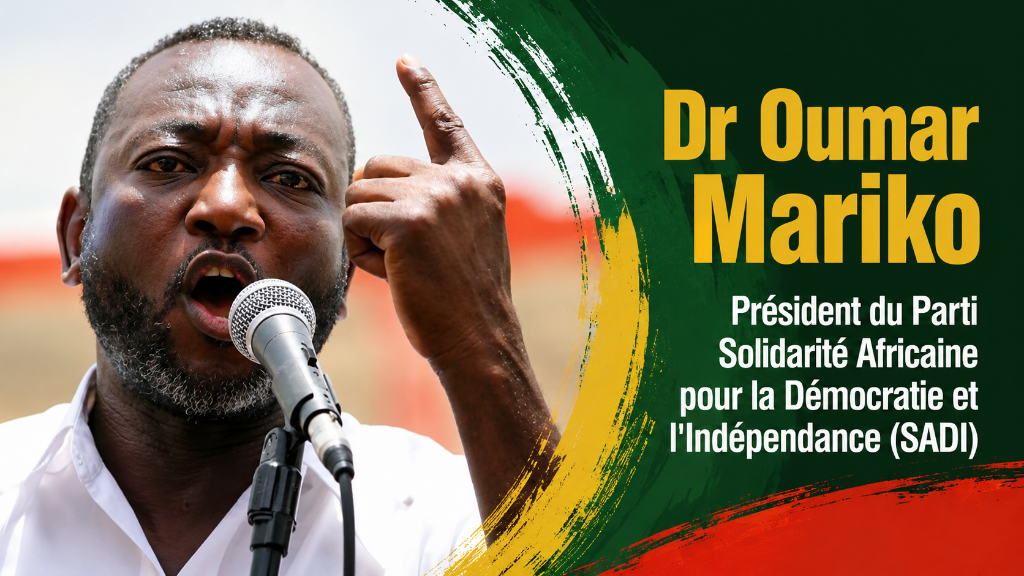
In a tense political climate gripping Bamako, the residence of exiled opposition leader Dr. Oumar Mariko was subjected to a thorough search on May 30 by a masked armed squad. The operation, which spanned nearly three hours, resulted in the confiscation of extensive documentation. This incident reflects a broader crackdown by the transitional authorities, intensified following recent military setbacks in the country’s northern regions at the hands of rebel and terrorist factions.
Nighttime intrusion: a calculated act of intimidation
The tranquility of the upscale neighborhood housing the head of the Solidarité Africaine pour la Démocratie et l’Indépendance (SADI) party was shattered in the early hours of May 30. A heavily armed commando, their faces concealed, stormed the property of Dr. Mariko. While no physical harm was inflicted on the occupants, the method was undeniably aggressive: the main entrance was forcibly breached to access locked rooms. The assailants conducted a systematic search before departing with a significant collection of personal and administrative documents. For the opposition figure’s relatives, the intent was unmistakable—instill fear and uncover incriminating material against a vocal critic, even from afar.
Military failures fuel authoritarian reflexes in Bamako
This breach of a prominent democratic voice is not an isolated incident but a symptom of growing unease within Mali’s ruling military junta. The security landscape shifted dramatically after a major offensive on May 25, when a coalition of the Forces Libérées de l’Azawad (FLA) and the Jama’at Nusrat al-Islam wal Muslimin (JNIM) launched a devastating assault. Government forces, alongside their allies, were forced into retreat, relinquishing control of multiple strategic villages and the symbolic stronghold of Kidal. With the official narrative of total territorial recovery in tatters, the putschists in Bamako appear gripped by a paranoid mindset, perceiving internal betrayals at every turn.
Systematic crackdown targets dissenting voices
Facing mounting military and public discontent, the transitional government has doubled down on repression, targeting anyone perceived as a threat to its authority. What critics and human rights advocates describe as a witch hunt has intensified, with arrests, abductions, and arbitrary detentions escalating across Bamako and other major cities. The pattern is consistent: plainclothes operatives conduct extrajudicial arrests, followed by secret detentions. The raid on Dr. Mariko’s home epitomizes this strategy—silencing opposition, whether on home soil or abroad.
A transitional government at a crossroads
The search of Dr. Oumar Mariko’s residence serves as a stark warning of Mali’s authoritarian drift. By prioritizing the suppression of dissent over addressing territorial losses in the North, the authorities in Bamako are forfeiting the national dialogue essential for long-term stability. As security constraints tighten and public frustration over shortages and inflation mounts, the strategy of fear is proving increasingly ineffective. For Mali, the priority must shift from persecuting dissenting voices to fostering unity against the existential threats facing the nation.