Kouakourou villagers flee after JNIM jihadist takeover in Mali
In Mali, the town of Kouakourou has been emptied of its residents following a significant security incident. On Saturday, July 18, 2026, jihadist forces from the JNIM launched an assault, seizing control of the local military camp. The very next day, the insurgents escalated their offensive by downing an army helicopter. During this period, several soldiers, reportedly attempting to blend into the civilian populace by wearing plain clothes, were captured. Subsequently, the jihadists issued a stark order to the villagers: abandon their homes and leave Kouakourou.
Information gathered from numerous community leaders and residents of Kouakourou confirms these distressing events.
Military convoy diverted to Djenné
Since the beginning of the week, the Malian army has conducted aerial operations in the affected region. On Tuesday, July 21, authorities announced the “neutralization” of “five terrorists” traveling on motorcycles and the destruction of a “pickup truck laden with logistical supplies.”
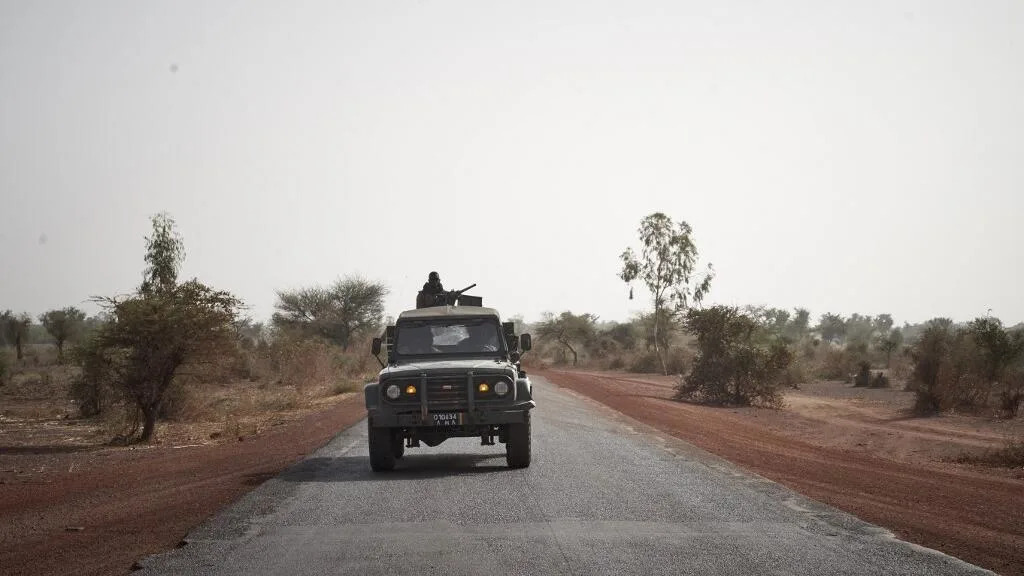
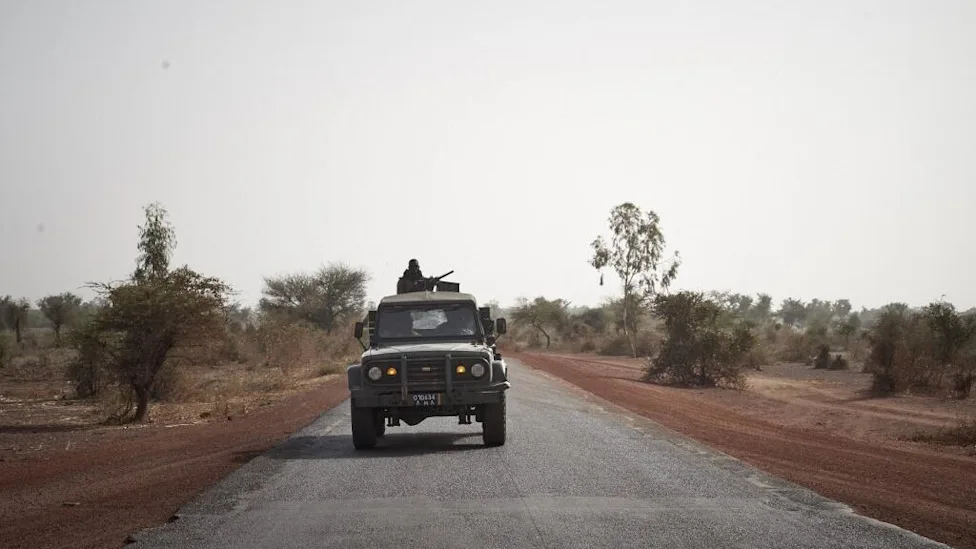
Reinforcement troops, comprising Malian soldiers and their Russian partners from the Africa Corps, were dispatched to the area. However, the convoy never reached Kouakourou. Faced with multiple obstacles—including ambushes, drone attacks, and a destroyed bridge—the military personnel were repeatedly forced to retreat, ultimately falling back to Djenné. This highlights the ongoing security challenges in the Sahel region.
Displaced finding shelter in schools
The entire population of Kouakourou has been displaced. Many sought refuge in nearby villages such as Pora or Saba, where despite extremely difficult conditions, they have been met with vital solidarity and warm hospitality. Others embarked on a journey of nearly 40 kilometers to Djenné, with some forced to travel the entire distance on foot. This mass exodus underscores the urgent humanitarian Sahel crisis.
In Djenné, hundreds of displaced individuals—men, women, and children—are currently being accommodated by local families or housed by authorities in a city school. The National Directorate of Social Development has facilitated the delivery of several tons of food supplies and mosquito nets, while additional donations continue to be received. A number of residents have even traveled further afield, reaching the capital city, Bamako, in search of safety and stability amidst the West Africa Sahel news of conflict.