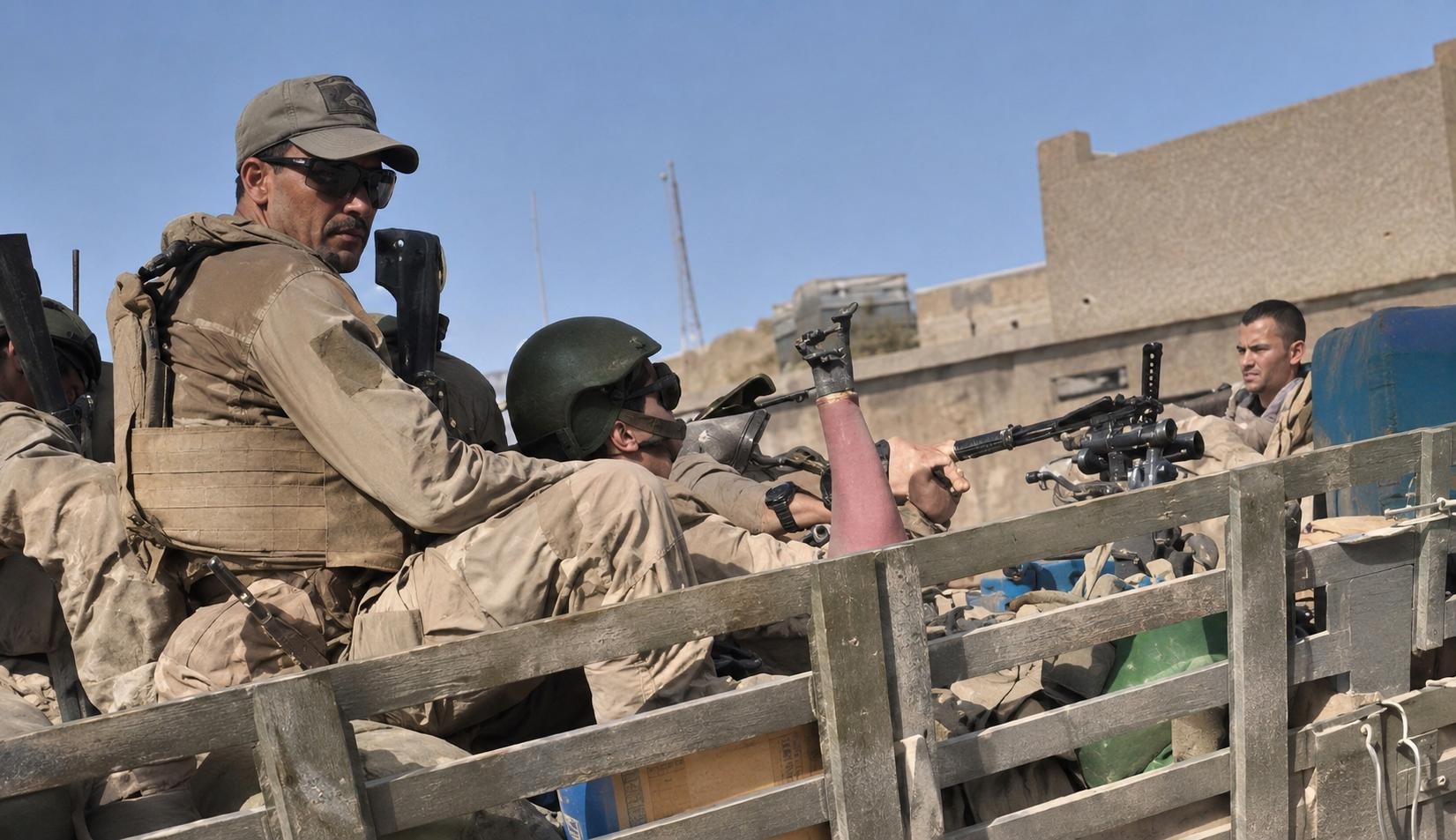
The twenty-sixth of April, 2026, is etched as a somber date in Mali’s recent history. On this day, Kidal, a city Bamako had envisioned as a symbol of its regained strength, tragically reverted to rebel control. Yet, beyond the military defeat itself, the most alarming aspect was the conduct of Russia’s Africa Corps, composed of former Wagner operatives. As intense clashes engulfed the region, these Russian forces opted to negotiate their own withdrawal rather than engage in the fight.
A sweeping offensive that overwhelmed all defenses
The weekend leading up to April 25 saw events unfold with startling rapidity. A coordinated alliance, featuring rebels from the FLA and jihadists from the JNIM, launched simultaneous assaults across Mali, stretching from Kati to Gao. Their objective was clear: to inundate the Malian army, thereby facilitating the capture of Kidal.
Confronted by this overwhelming “storm,” the Russian contingent, who had previously projected an image of invincibility, succumbed to panic. Rather than mounting a counter-offensive, their primary focus shifted to securing their own safety.
The ‘corridor of shame’: negotiations with the adversary
News of Russian commanders engaging in direct talks with rebel factions to secure safe passage out of Kidal, avoiding casualties, sent shockwaves throughout observers. This extraordinary development revealed a disturbing compromise:
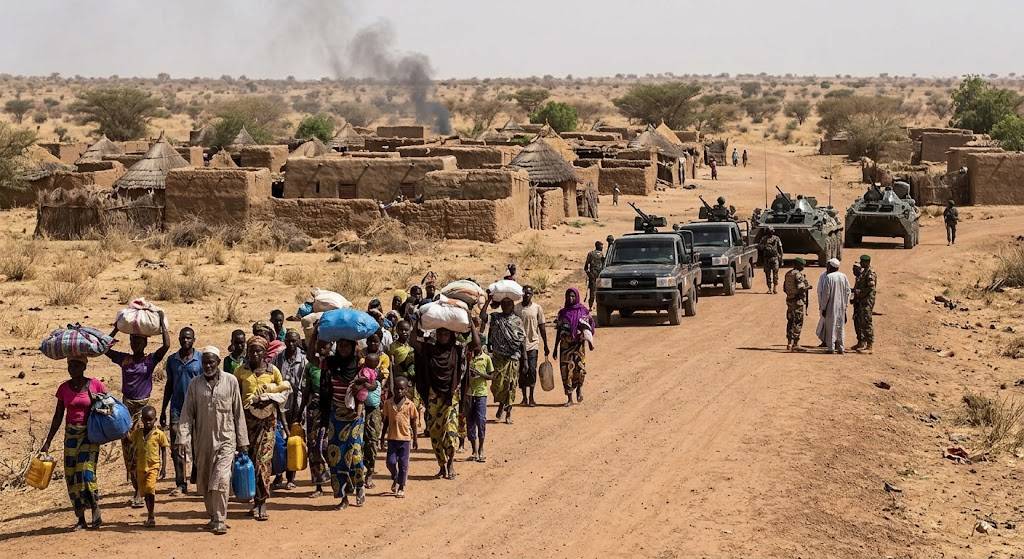
- The arrangement: Russian forces relinquished their positions and a portion of their heavy weaponry. In return, the rebels granted them a “corridor” – a secure route – allowing them to retreat towards Gao, taking their wounded with them.
- Abandonment of the Malian army: This hasty departure, officially termed a “repositioning” by authorities, left Malian Armed Forces (FAMa) soldiers isolated. They found themselves without crucial aerial support or logistical aid, stranded amidst an active war zone.
The collapse of an illusion
This incident starkly exposed the fundamental limitations of Russian mercenaries. In Kidal, their actions did not align with those of loyal allies; instead, they behaved as employees of a private entity primarily concerned with minimizing financial losses and casualties.
- Business interests first: Russia’s involvement in Mali is driven by political influence and access to gold mines. The moment combat escalates to become excessively perilous or costly, they withdraw, even if it means humiliating the Malian government.
- Questionable liaisons: Certain reports even suggest that Russian elements engaged in discussions with jihadist groups to ensure their neutrality during the final assault. This raises a profound ethical question: can trust be placed in a partner who engages with the very adversaries they are purportedly fighting against?
Kidal’s enduring lesson
The withdrawal from Kidal in April 2026 definitively shattered the myth of the “Russian solution.” By choosing to preserve their own lives over defending the city, the Russian forces unequivocally demonstrated that they are not reliable long-term partners.