Kauno Žalgiris and Dinamo Zagreb face off in UEFA Champions League return
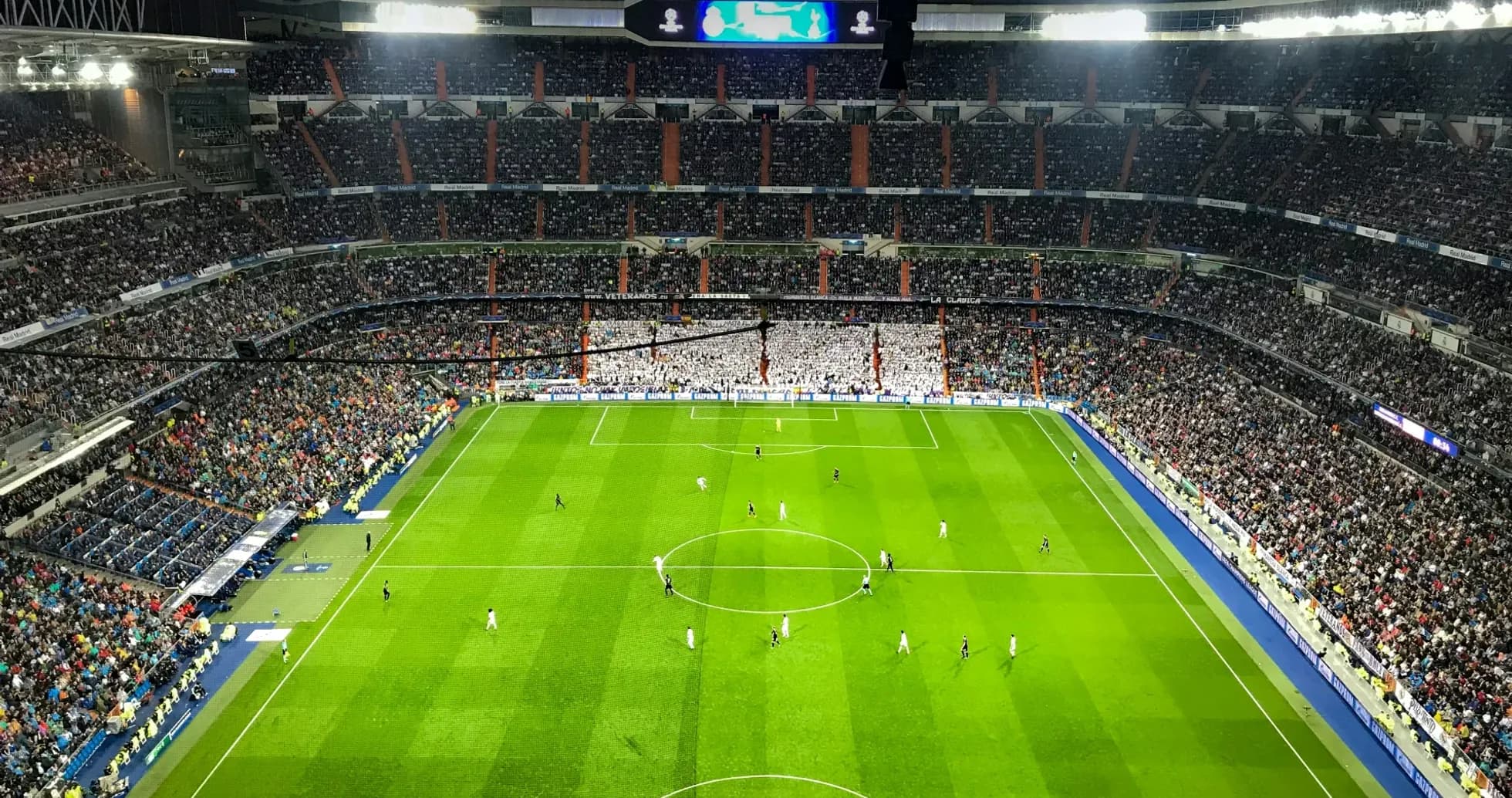
Kaunas is set to host the highly anticipated second leg of the UEFA Champions League third qualifying round showdown between Kauno Žalgiris and Dinamo Zagreb. After the Croatians dominated the first leg with a commanding 5-0 victory in Zagreb, the Lithuanian side faces an uphill battle not just to qualify, but to salvage its European prestige. Meanwhile, Dinamo Zagreb is focused on a professional approach to secure its passage to the next stage.
Head-to-head tactical breakdown
The only previous meeting between these two sides occurred on August 4, 2026, at Stadion Maksimir in Zagreb. Dinamo Zagreb, playing at home, delivered a dominant performance, running out 5-0 winners. The match highlighted a clear disparity in quality and execution, with Dinamo controlling proceedings from start to finish. Kauno Žalgiris struggled defensively and failed to create meaningful chances, exposing their vulnerabilities in both phases of play.
Season performance overview
- Current campaign form: Kauno Žalgiris has played five UEFA Champions League qualifiers in 2026, scoring five goals and conceding eight. Their record stands at two wins, two draws, and one defeat. Dinamo Zagreb, by contrast, has played three matches, netting nine goals while conceding three, with two wins and one draw, and no losses.
- Key season indicators: Kauno Žalgiris averages 1.0 goal scored and 1.6 conceded per game. They have kept two clean sheets but have also failed to score in two matches, predominantly lining up in a 4-1-4-1 formation. Dinamo Zagreb boasts a more impressive stat line, averaging three goals scored and one conceded, with a knack for producing high-scoring victories, such as their 5-0 home win. The Croatian side has experimented with three tactical setups—4-2-3-1, 4-1-4-1, and 4-3-3—showcasing tactical flexibility.
- Recent form trajectory: Kauno Žalgiris shows mixed form with a recent sequence of Draw-Win-Draw-Win-Lose, indicating potential but undermined by their heavy defeat in Zagreb. Dinamo Zagreb, on the other hand, remains unbeaten with a Draw-Win-Win run, signaling steady improvement and growing confidence ahead of the trip to Lithuania.
Tactical efficiency analysis
Kauno Žalgiris’ campaign reveals structural weaknesses, conceding more goals (1.6 per game) than they score (1.0). Away from home, their defensive frailties are even more pronounced, with seven goals conceded in three matches. Their preferred 4-1-4-1 system aims to solidify the midfield, but the 5-0 thrashing in Zagreb exposed its limitations against a top-tier attacking force. Dinamo Zagreb, meanwhile, has been prolific up front, scoring nine goals in three games, including eight at home, and has not been held scoreless in any match. While their defensive record (one goal conceded per game) isn’t flawless, it remains respectable given their offensive output. The team’s ability to switch between different formations allows them to balance control and attacking threat, suggesting a cautious yet dangerous approach in transition. Given Kauno Žalgiris’ defensive frailties and Dinamo Zagreb’s offensive firepower, the balance of power remains firmly in the visitors’ favor.
Season impact assessment
For Kauno Žalgiris, this second leg is less about qualification and more about preserving their European credibility. A realistic goal is to minimize damage, restore defensive solidity at home, and ideally secure a positive result to boost morale for future campaigns and national competitions. Another heavy defeat would severely damage the club’s reputation and complicate its appeal in European circles.
For Dinamo Zagreb, qualification is already nearly secured following the first leg. A disciplined performance in Kaunas, even without dominating, would validate their progression to the next round and reinforce their reputation as a consistent performer in UEFA Champions League qualifiers. Managing this match effectively would also allow them to rotate their squad, reduce physical strain, and prepare for the tougher challenges awaiting in the subsequent stages. Ultimately, the result will confirm—or challenge—Dinamo Zagreb’s ability to sustain their role as favorites throughout the 2026 European campaign.