Ivory Coast unveils bold environmental vision for climate resilience
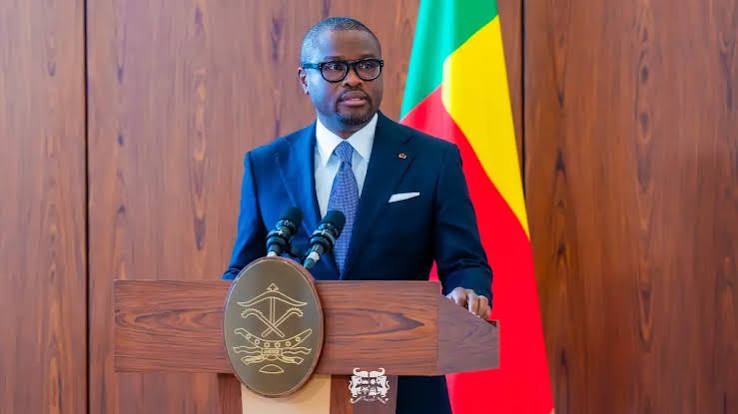
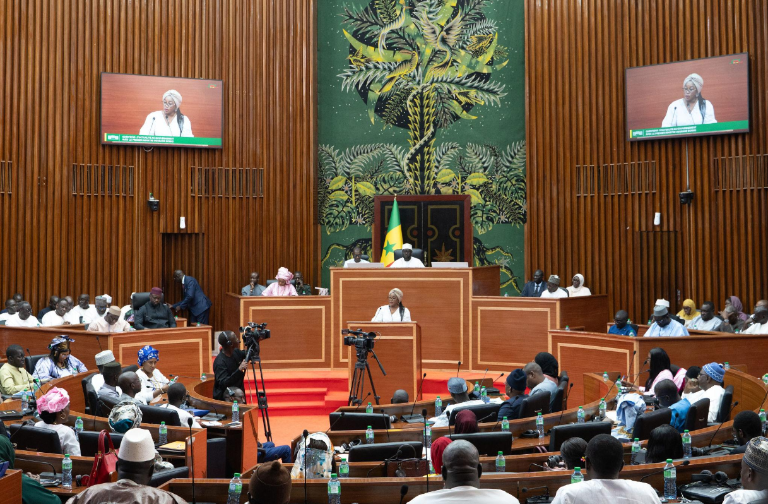
Abidjan, Ivory Coast – On the occasion of World Environment Day, marked this year under the global theme “Air – Act for Climate”, Ivory Coast has reaffirmed its commitment to building a resilient, low-carbon economy that prioritizes environmental sustainability. The announcement came during a high-level declaration delivered by the Minister of Environment, Sustainable Development, and Ecological Transition, Abou Bamba.
The government emphasized that ecological transition is not just an environmental necessity but a strategic lever for sustainable development and inclusive growth. With climate change impacts intensifying—including erratic rainfall, rising temperatures, soil degradation, coastal erosion, and recurring floods—Ivory Coast is accelerating reforms to bolster national resilience.
« Our vision is clear: to construct an economy that is both resilient to climate shocks and carbon-light, while safeguarding our natural heritage, » stated the government. This long-term strategy aligns with Ivory Coast’s international commitments, particularly those outlined in the Paris Agreement.
To turn this vision into reality, authorities have rolled out a series of groundbreaking measures, including:
- A newly adopted Environmental Code to strengthen legal frameworks for conservation and sustainable resource management;
- A dedicated Climate Change Law designed to align national policies with global climate targets;
- The establishment of a National Climate Change Commission to coordinate policy implementation and monitoring;
- Enhanced environmental and social impact assessment procedures to ensure projects meet sustainability standards.
At the heart of these efforts is Ivory Coast’s third-generation Nationally Determined Contribution (NDC), which sets an ambitious target: reducing greenhouse gas emissions by 33.07% by 2035, with a pathway to achieve long-term carbon neutrality. Additionally, the country has cemented its role as a regional leader in climate finance by hosting the African regional office of the Green Climate Fund in Abidjan.
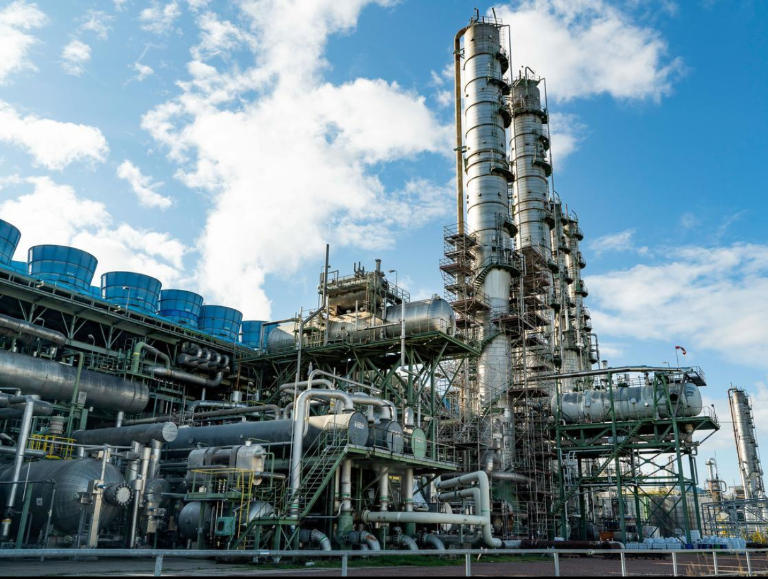
Air quality—central to this year’s World Environment Day—remains a top priority. The government has deployed an advanced air quality monitoring network using specialized sensors, while the Ivorian Anti-Pollution Center (CIAPOL) continues rigorous inspections of industrial facilities to curb atmospheric emissions.
Minister Bamba stressed that while government action is essential, it cannot succeed in isolation. He urged citizens, local authorities, the private sector, and civil society organizations to adopt more sustainable behaviors and reduce pollution at every level. The national campaign, « Be the solution, not the pollution! », reflects this call for collective responsibility in protecting natural resources and improving public health.
The ecological transition is also viewed as an engine for job creation, particularly in green sectors like renewable energy, sustainable transport, and eco-friendly construction. By investing in these areas, Ivory Coast aims to strengthen food security and build a more resilient economy.
To further empower communities, the government has launched a green hotline 1372, enabling citizens to report environmental violations directly to authorities.
The message from Ivory Coast is unequivocal: environmental stewardship is the foundation of national progress. As the country marches toward a greener future, it invites every citizen to play a part in shaping a sustainable and thriving Ivory Coast.