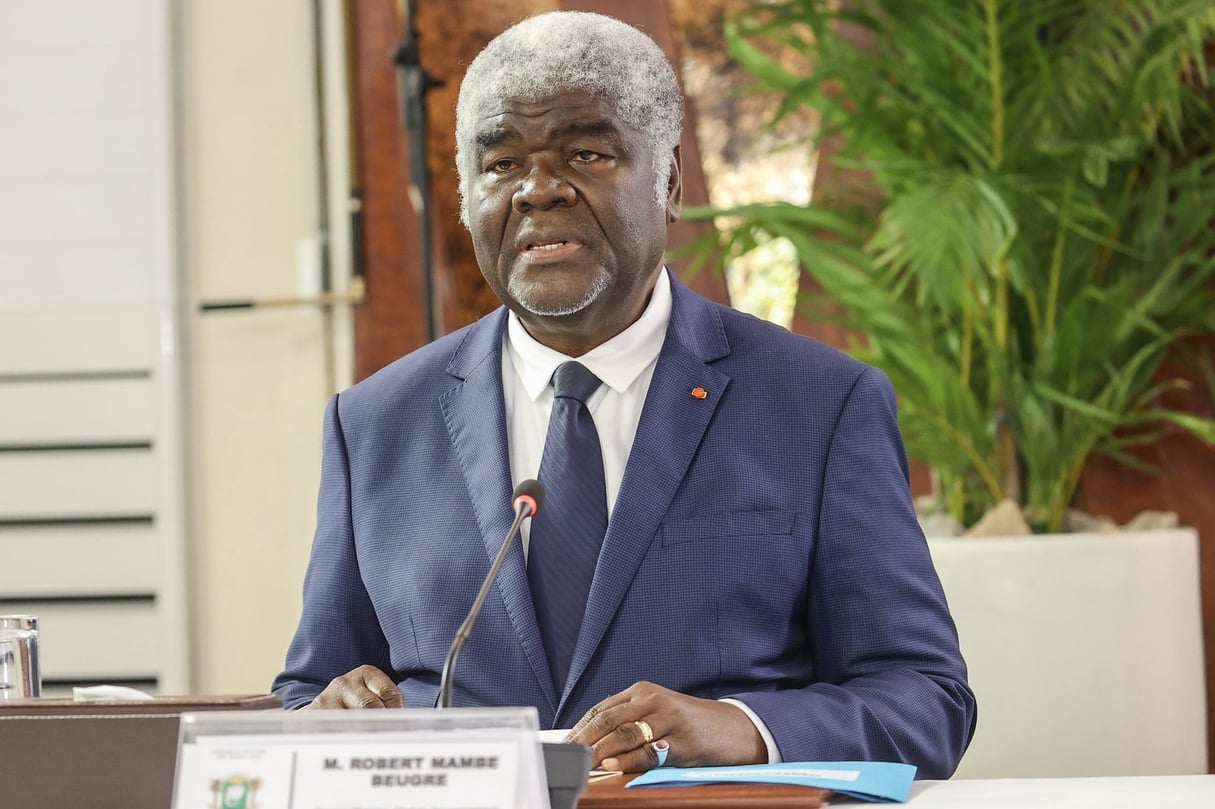
Côte d’Ivoire’s Prime Minister, Robert Beugré Mambé, has introduced sweeping changes to streamline ministerial travel, signaling a new era of discipline in government operations.
The reforms, unveiled during an emergency cabinet session, aim to curb excessive official trips that have strained public resources. Under the new guidelines, ministers must obtain prior approval before embarking on any domestic or international travel, with justifications required for all requests.
Key measures in the new travel policy
- Pre-approval requirement: All ministerial travel must be greenlit by the Prime Minister’s office before booking.
- Cost transparency: Travel expenses must be itemized and approved in advance to prevent budget overruns.
- Priority alignment: Trips must align with national priorities, particularly economic and infrastructure projects.
- Accountability measures: Ministers failing to comply may face disciplinary action, including budget cuts to their ministries.
Reactions from political circles
While some officials welcomed the move as a necessary step toward fiscal responsibility, others expressed concerns about potential bottlenecks in government operations. A senior civil servant, speaking on condition of anonymity, noted that “the reforms could slow down critical negotiations with foreign partners if approvals take too long.”
The Prime Minister defended the changes, stating they were essential to “restore public trust in government spending.”
Broader implications for West African governance
This initiative reflects a growing trend in West Africa, where leaders are under pressure to demonstrate transparency in public expenditures. Côte d’Ivoire’s proactive stance could set a precedent for neighboring countries grappling with similar challenges.
The reforms come amid heightened scrutiny of government spending across the region, where officials are increasingly expected to justify their actions in the face of economic pressures and public demands for accountability.