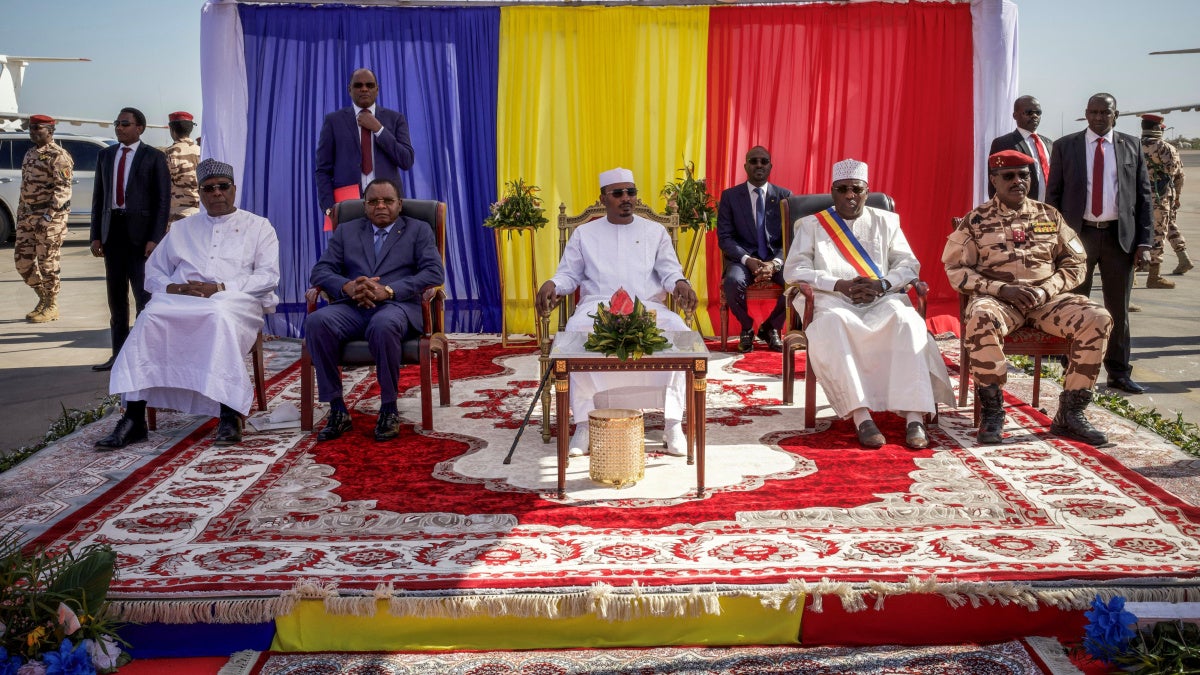
The year 2025 marked a significant turning point in Chad’s political landscape, as President Mahamat Idriss Déby solidified his grip on power following the controversial 2024 presidential election. Opposition figures faced severe crackdowns, with Succès Masra, leader of the opposition party Les Transformateurs, arrested and sentenced to 20 years in prison on politically motivated charges. The situation reflects a broader trend of eroding democratic norms, including constitutional amendments that extend presidential terms to seven years and eliminate term limits, effectively allowing indefinite rule.
escalating intercommunal violence and humanitarian strain
Chad continued to grapple with deadly intercommunal conflicts in 2025, particularly in the southern and eastern regions, where disputes between nomadic Fulani herders and sedentary farming communities escalated. In May, clashes in Mandakao (Logone-Occidental) left 41 dead, while June violence in Orégomel (Mayo-Kebbi Ouest) and mid-June intertribal fighting in Molou (Ouaddaï) claimed at least 17 and 20 lives, respectively. These incidents highlight deep-rooted issues such as land tenure disputes, demographic pressure, and climate-induced resource scarcity. The crisis was further exacerbated by floods in late 2024 and early 2025, which worsened food insecurity and stretched humanitarian aid resources thin.
Refugee flows from neighboring Sudan added to the strain, while the government’s amnesty law for abuses linked to the 2022 protests stifled accountability. Reparations for victims of former President Hissène Habré’s regime also saw minimal progress, with partial payments falling far short of court-ordered amounts.
political repression silences dissent
Opposition leader Succès Masra’s arrest in May 2025 on charges of incitement to hatred and complicity in murder marked a decisive blow to political pluralism. His trial, alongside dozens of co-defendants, resulted in a 20-year sentence and a hefty fine, despite pleas of innocence. The proceedings drew condemnation for violating the Kinshasa Agreement (October 2023), which had suspended his arrest warrant and guaranteed his safe return from exile. The crackdown extended to other dissenting voices: Yaya Dillo, a prominent opposition figure, was killed in a security forces raid pre-election, with no investigation launched in 2025. Meanwhile, activists like Makaila Nguebla and Charfadine Galmaye Saleh had their citizenship revoked, while journalists Olivier Monodji and Mahamat Saleh Alhissein faced arbitrary detention on espionage charges linked to alleged Wagner Group ties.
constitutional overhaul centralizes power
In September 2025, Chad’s National Assembly approved sweeping constitutional amendments extending presidential terms to seven years and removing term limits entirely. The vote, boycotted by most opposition members, passed with 171 in favor and no opposition. These changes, swiftly ratified in October, concentrate power in the presidency, undermining legislative checks and silencing political opposition. The move aligns with a pattern of repression, where dissent is met with detention, exile, or worse.
lgbtq+ rights under threat
Chad’s penal code, particularly Article 354, criminalizes same-sex relations, imposing up to two years in prison and fines for those convicted. This discriminatory law underscores the broader erosion of rights, where political freedoms and human dignity are increasingly compromised.