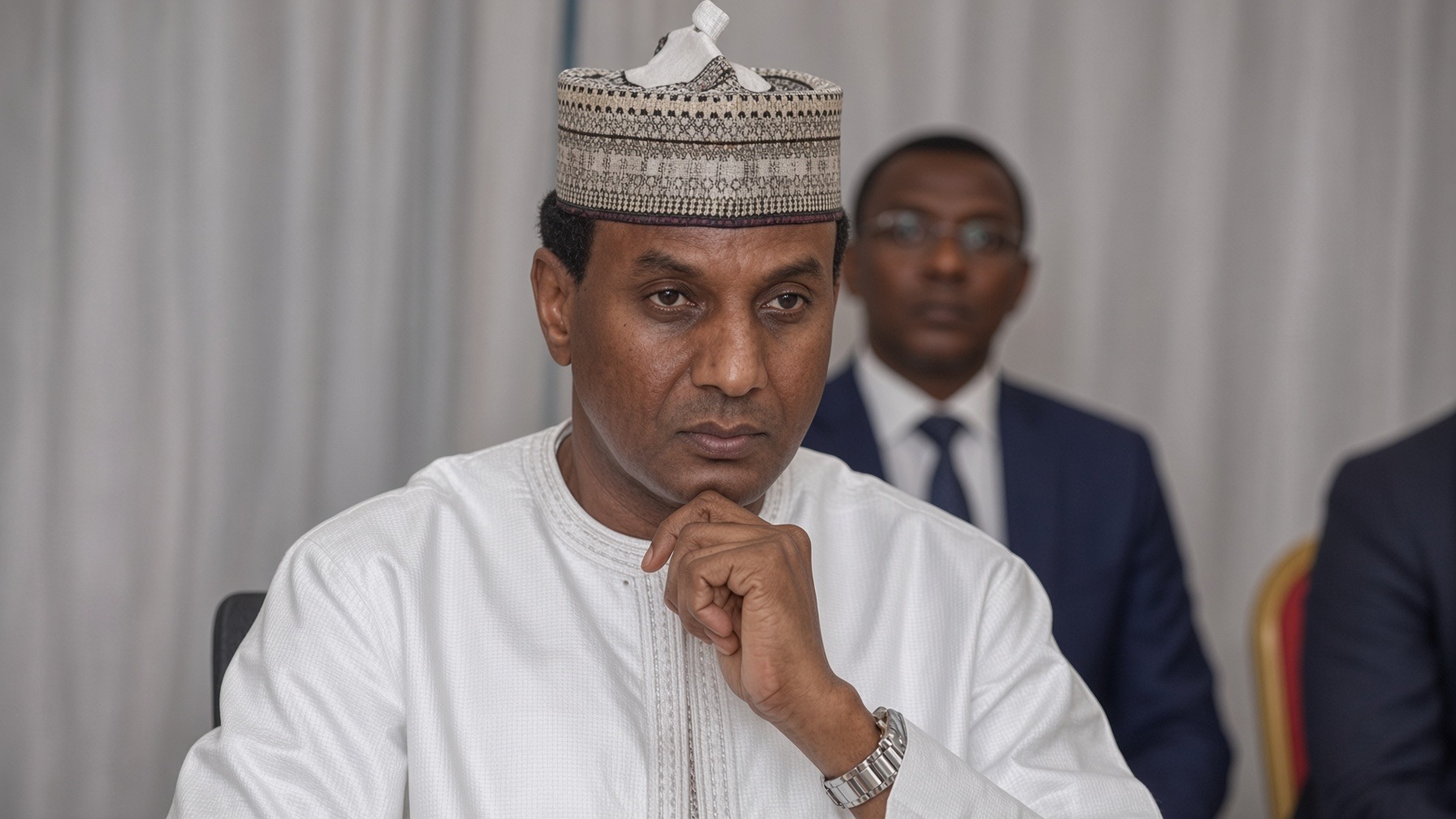
The state of human rights in Niger has seen a sharp decline following the military coup of July 2023. Throughout 2025, the ruling junta persisted in its campaign against political opponents, dissenters, labor leaders, and media professionals. Authorities have continued the unlawful imprisonment of former President Mohamed Bazoum and his spouse, along with various members of the previous administration, journalists, and civil rights advocates.
Niger is simultaneously embroiled in a struggle against several armed Islamist factions, including the Islamic State in the Sahel (EIS), the Al-Qaeda-linked Group for the Support of Islam and Muslims (JNIM), Boko Haram, and the Islamic State West Africa Province (ISWAP) in its western and southeastern territories. Hostilities in the Tillabéri region, as well as along the borders with Mali and Burkina Faso, have escalated, placing the civilian population at greater risk.
In August, the military leadership initiated a program known in Hausa as “Garkuwar Kassa” (“Shields of the Fatherland”), which seeks to enlist and train civilians to support the armed forces. This move has sparked significant concerns regarding the emergence of militias that may commit human rights violations.
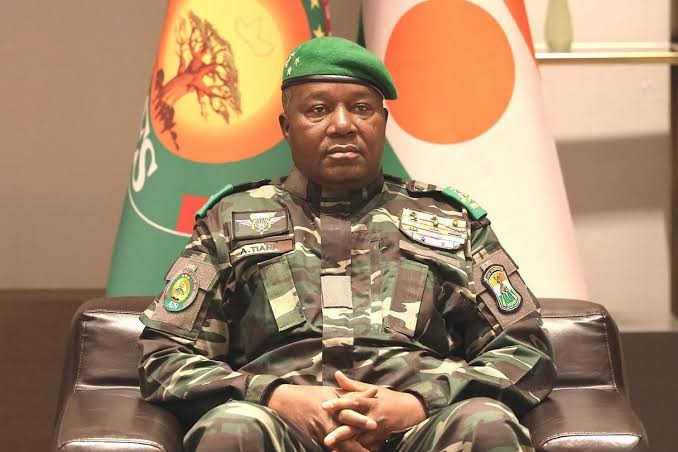
By March, the head of the junta, Abdourahamane Tiani, assumed the role of transition president after taking an oath of office without any electoral process, thereby tightening his grip on the nation and stalling a democratic transition. Furthermore, Abdourahamane Tiani enacted a decree that effectively abolished the multi-party political system across Niger.
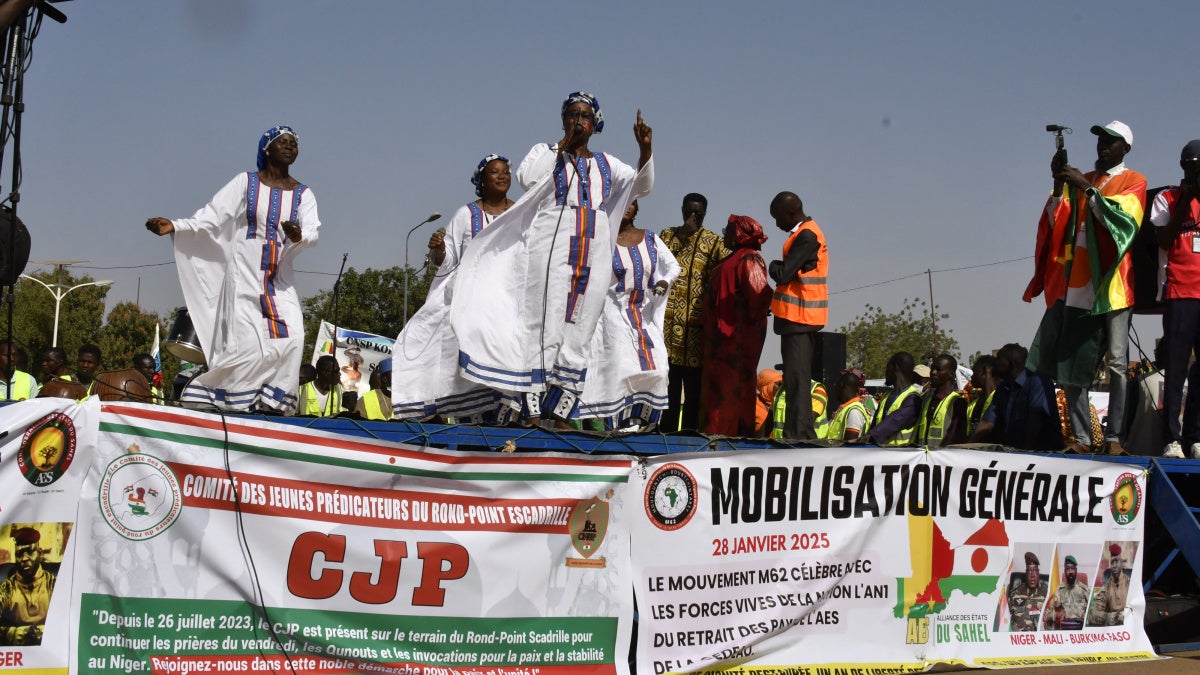
Earlier in January, the junta withdrew Niger from the Economic Community of West African States (ECOWAS), a move mirrored by Mali and Burkina Faso, which restricted the ability of citizens to seek legal redress through the ECOWAS Court of Justice. By September, these three nations declared their intent to exit the International Criminal Court (ICC), a decision likely to obstruct justice for victims of mass atrocities.
Atrocities committed by armed Islamist factions
The Islamist insurgency, which began in northern Mali in 2012 before reaching Niger and Burkina Faso in 2015, has caused over a decade of widespread suffering. In 2025, the EIS ramped up its operations against civilians in Niger’s Tillabéri area, carrying out summary executions of hundreds of villagers and worshippers while looting and burning homes.
On March 21, EIS militants targeted a mosque in Fambita, located in the Tillabéri region, killing at least 46 people during afternoon prayers, including three children. The attackers also stole livestock and set fire to at least 20 residences and several local shops.
On May 13, another EIS raid occurred in the hamlet of Dani Fari, where seven people, including two boys, were killed. The militants also destroyed 12 homes and looted many others.
On June 21, Islamist fighters struck a mosque in Manda, Tillabéri, resulting in the deaths of over 70 worshippers, including five children, during morning prayers. The village saw at least 10 homes burned and numerous others pillaged.
A day earlier, on June 20, EIS members entered the village of Abarkaize and executed its 67-year-old leader. They returned three days later to abduct five men, whose bodies were later discovered with their throats slit on the outskirts of the settlement.
On June 23, at least six male civilians were murdered by EIS fighters in the hamlet of Ezzak, where homes were also ransacked. Prior to these assaults, the EIS had often threatened residents, accusing them of collaborating with the Nigerien military or failing to pay “zakat” (an Islamic tax). Survivors noted that the Nigerien army failed to act on warnings or provide necessary protection to these communities.
Crushing political opposition and dissent
Since the 2023 power grab, Mohamed Bazoum and his wife have been held at the presidential palace in Niamey, denied contact with legal counsel or family. Following the junta’s decision to revoke his presidential immunity in 2024 through a questionable legal process, Mohamed Bazoum faces the threat of trial. In February, the United Nations Working Group on Arbitrary Detention formally declared their imprisonment unlawful and demanded their immediate release.
The junta has also carried out the arbitrary arrest of dozens of former government officials and associates of Mohamed Bazoum, often ignoring due process. While approximately 50 detainees, including some military officers and a journalist, were released in April, many others remain imprisoned for political reasons. Among them is Moussa Tiangari, a well-known human rights activist and critic of the military regime.
Moussa Tiangari was taken from his Niamey home on December 3, 2024. After being held in an undisclosed location, he was eventually found at a counter-terrorism facility. In January, he was charged with conspiracy against the state and association with terrorists. He faces a potential death penalty if convicted. Despite his continued detention, he has yet to see a judge, and a Niamey court recently rejected an appeal to dismiss the case.
Suppression of free speech and assembly
Press freedom in Niger has been severely compromised since the coup. Journalists face constant threats and arrests, leading many to practice self-censorship to avoid government retaliation. In January, the Ministry of Communication suspended Canal 3 TV for a month after its editor, Seyni Amadou, criticized the performance of government ministers. Although the suspension was eventually lifted, the message of intimidation was clear.
In February 2025, the military authorities forced the International Committee of the Red Cross (ICRC) to cease its humanitarian operations and leave Niger without providing a reason. In May, security forces in Agadez arrested three journalists from Sahara FM twice in 48 hours after they reported on shifting security alliances between Niger, Russia, and Turkey. They remain in custody.
In August, the Minister of the Interior, Mohamed Toumba, dissolved four judicial unions, a move that directly attacks the right to freedom of association and judicial autonomy. While the government claimed these unions had strayed from their purpose, the Niger Bar Association and other labor groups condemned the act as a grave violation of fundamental rights, leading to a two-day general strike by legal professionals in protest.