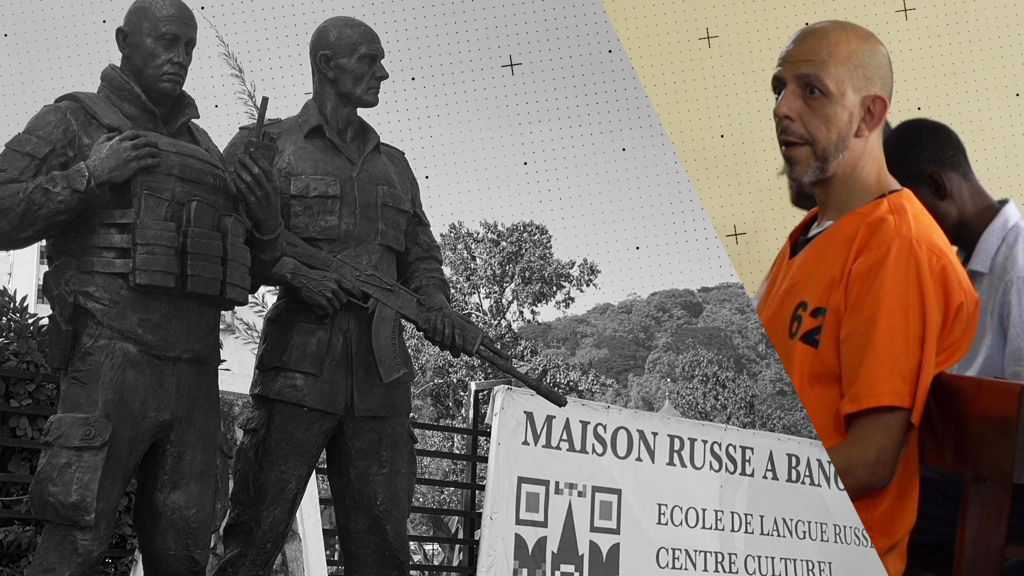
The night of May 26, 2024, fell over Zemio—a town in Haut-Mbomou, a region plagued by recurring communal violence. In the courtyard of a local bar-restaurant, a farewell gathering unfolded for two visiting experts. Joseph Figueira, a Belgian-Portuguese researcher with deep expertise on Fulani communities, and his Ivorian colleague from neighboring Democratic Republic of the Congo (DRC), had just wrapped up a field assessment for FHI 360. Their mission, commissioned under a USAID-funded project, aimed to design conflict prevention strategies in collaboration with local and international partners. Around fifty people had gathered to toast their departure ahead of their planned return to Bangui the following day.
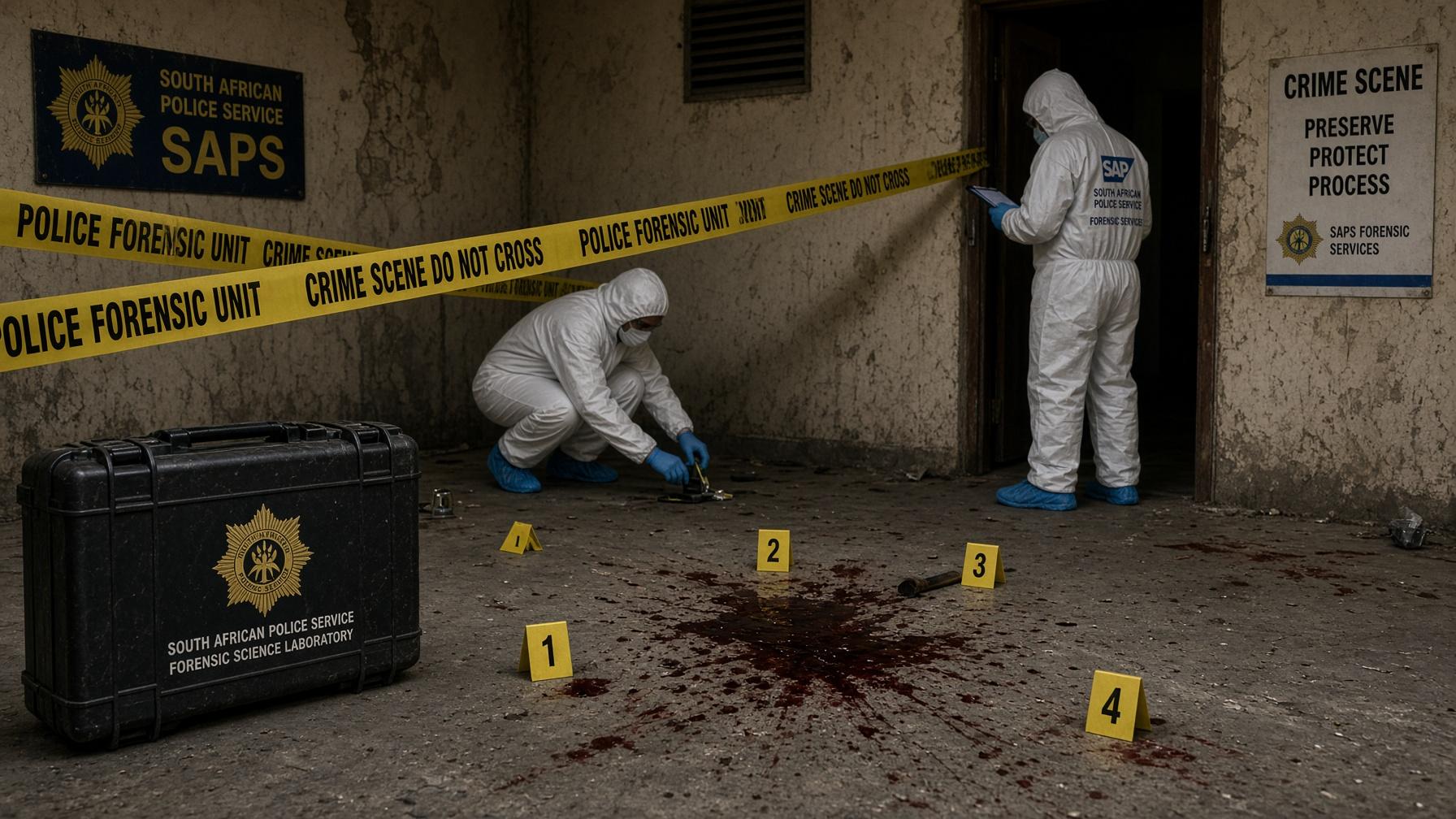
Within moments, the atmosphere shifted violently. Three operatives from the Wagner Group—an auxiliary force supporting Central African authorities since 2018—stormed the scene, accompanied by a national gendarme tasked with translation. Without explanation or legal process, they forcibly took Joseph Figueira, cuffing him on the spot. The researcher, who had been in the country for nine days and had met with multiple officials in the capital and provinces to prepare the project, had done nothing wrong. Yet, despite his legitimate status and full compliance with local protocols, he was dragged away hooded, beaten, and thrown into a waiting aircraft, his face bloodied.
The abduction occurred outside any judicial framework, defying both national and international norms. Figueira’s detention—conducted by armed men operating beyond official authority—highlighted a deliberate campaign of intimidation targeting humanitarian and research professionals working in sensitive zones. His case reflects broader patterns of coercion and interference, where local conflicts are manipulated to serve geopolitical agendas under the guise of security operations.