How Russia uses Africa Corps airline to move troops and weapons in the Sahel
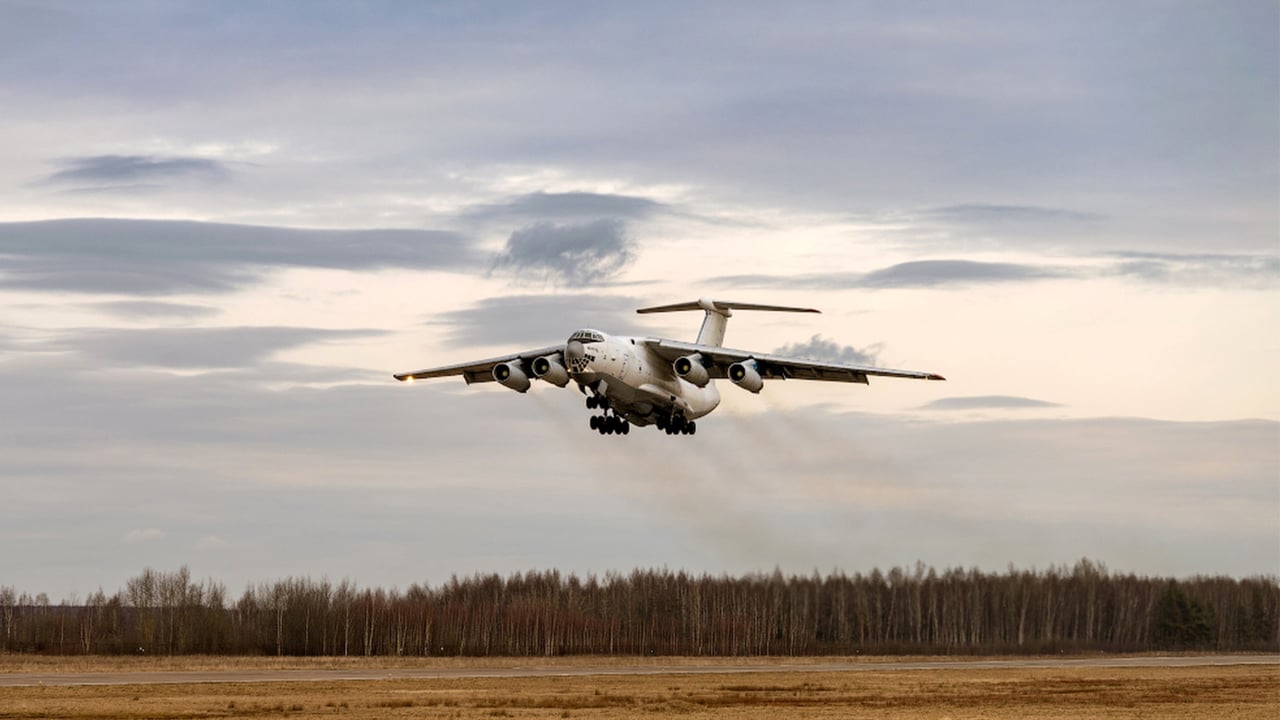

The Africa Corps airline has emerged as a critical logistical backbone for Moscow’s expanding influence across the Sahel. Through a network of cargo flights, the Russian military and allied entities are rapidly transporting arms shipments and military personnel into some of Africa’s most volatile regions.
How the Africa Corps airline operates in the Sahel
At the heart of this operation is a fleet of cargo jets, including the IL-76, a robust transport aircraft known for its long-range capabilities and heavy-lift performance. These planes, operated by Russian-linked airlines such as Zitotrans, make regular flights into airfields throughout the Alliance of Sahel States, a bloc formed by Burkina Faso, Mali, and Niger to counter regional instability.
The airline’s operations are not merely commercial. Intelligence reports indicate that cargo manifests often include military equipment, ranging from small arms to armored vehicles, alongside contingents of Russian military advisors. The flights follow routes that avoid traditional airspace restrictions, often transiting through air corridors used by Wagner Group-linked entities before the group’s rebranding.
Key routes and destinations in the Sahel
- Ouagadougou (Burkina Faso) — A major hub for cargo unloading and onward distribution to conflict zones in the Sahel.
- Bamako (Mali) — Frequently used for military deployments and training missions under the guise of logistical support.
- Niamey (Niger) — Increasingly important as Niger strengthens ties with Moscow following recent political shifts.
- Gao (Mali) — Serves as a forward operating base for aerial resupply and troop movements.
These routes align closely with the strategic interests of the Africa Corps, a restructured entity that replaced the Wagner Group in Africa. The airline’s operations are coordinated with ground-based logistics teams, ensuring seamless delivery of cargo and personnel even in remote areas.
Military and geopolitical implications
The growing presence of Russian military assets via the Africa Corps airline has reshaped the security landscape of the Sahel. Governments in the region, facing persistent threats from armed groups and terrorism, have turned to Moscow for support. This shift has been accompanied by a marked increase in arms shipments and the deployment of specialized military units to bolster local forces.
Vladimir Putin’s government has leveraged this strategy to deepen its influence in West Africa, positioning itself as a counterbalance to Western powers. The use of civilian airlines for military logistics allows Russia to bypass international scrutiny while maintaining plausible deniability.
Analysts warn that this approach could escalate regional tensions, particularly as foreign interventions multiply. The Alliance of Sahel States has openly welcomed Russian support, framing it as essential to combating insurgencies that have plagued the region for years.
Challenges and controversies
Despite its operational success, the Africa Corps airline faces significant challenges. International sanctions and airspace restrictions in neighboring countries have forced adjustments in flight paths and logistics strategies. Additionally, the use of civilian aircraft for military purposes raises legal and ethical questions under international aviation laws.
Local communities in transit zones have reported increased military activity, raising concerns about civilian safety. Humanitarian organizations operating in the Sahel have also expressed alarm over the militarization of air corridors traditionally used for aid delivery.
The airline’s operations underscore the complex interplay between logistics, military strategy, and geopolitics in the Sahel. As Moscow continues to expand its footprint, the Africa Corps airline remains a pivotal, if controversial, player in the region’s evolving security dynamics.