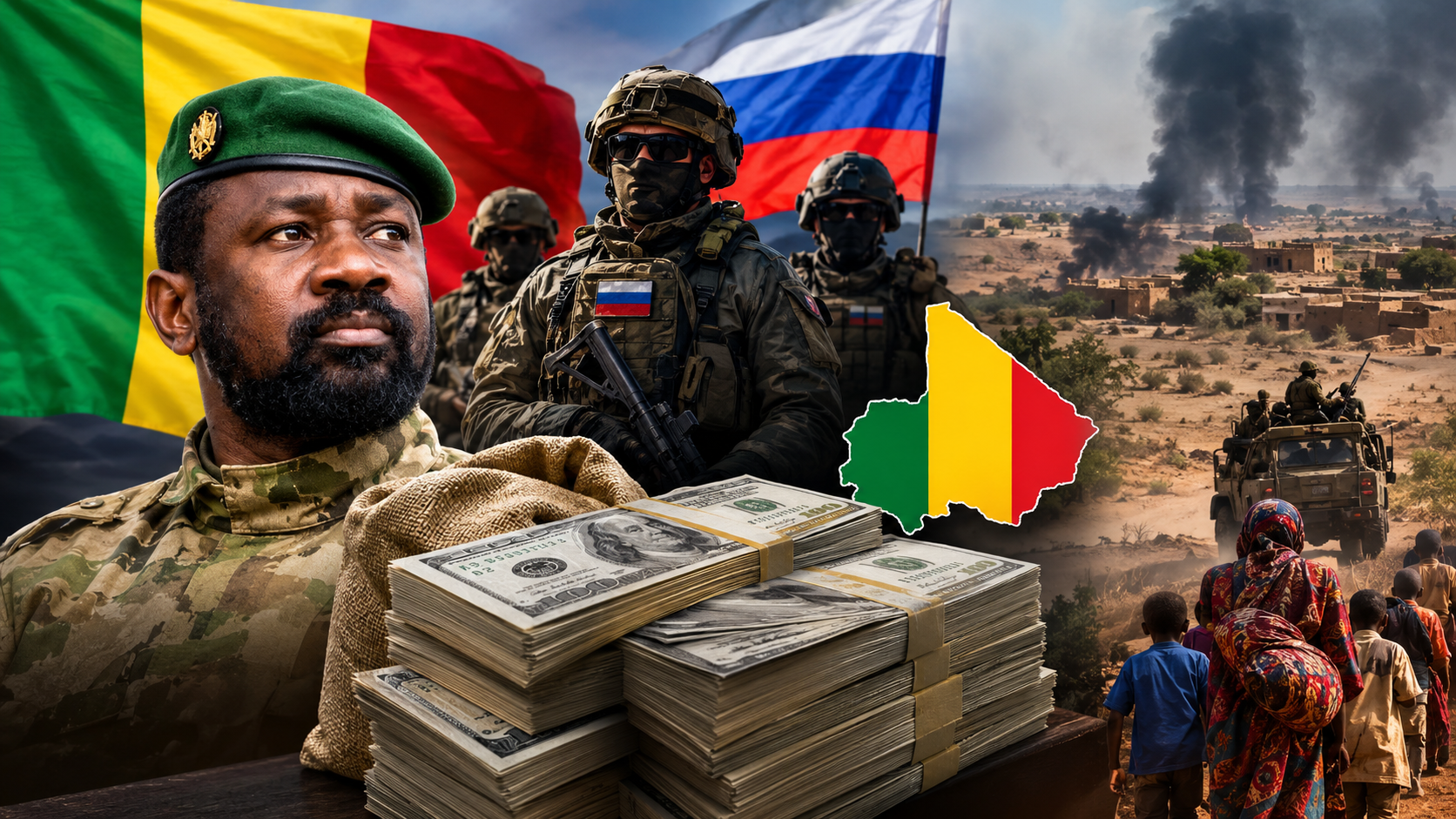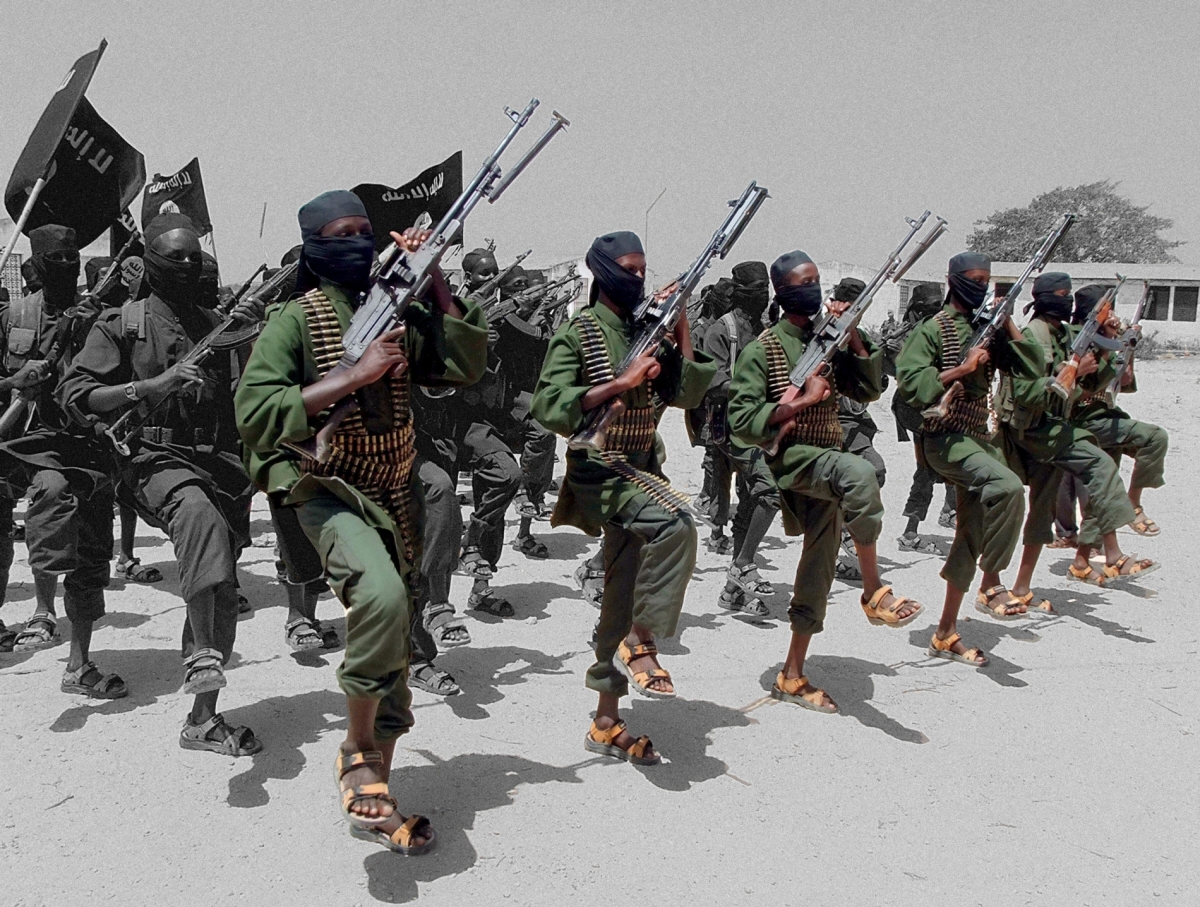
Mali and Niger have intensified their warnings about Algeria’s alleged role in exporting terrorism into the Sahel, accusing Algiers of providing refuge and indirect support to armed groups operating beyond its southern borders.
During a regional security gathering in Senegal, officials from Bamako and Niamey refrained from directly pointing fingers at Algeria, but their remarks closely mirrored long-standing claims from Malian leaders. These accusations highlight concerns that Algiers has become a critical logistical and political hub for terrorist and separatist factions active in northern Mali.
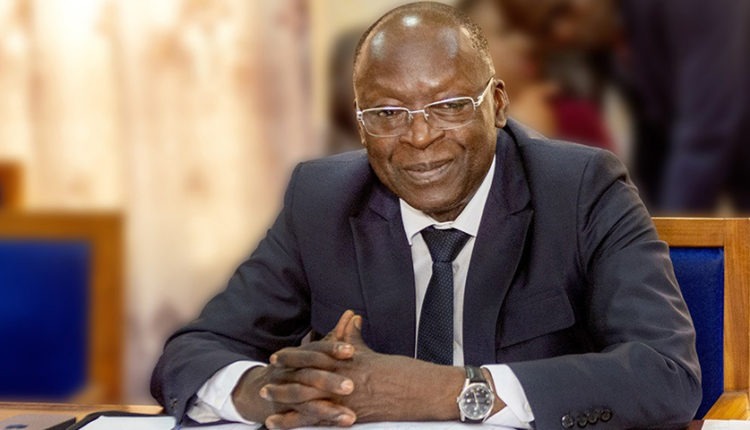
Mali’s Foreign Minister, Abdoulaye Diop, emphasized the gravity of the situation in his address, stating, “Certain neighboring countries are currently providing shelter to terrorist organizations, aiding their movements, or hosting hostile forces that carry out attacks against our nation.”
Security experts trace the origins of today’s Sahel-based terrorism back to Algeria’s brutal civil conflict in the 1990s. Following their defeat or displacement within Algeria, militant factions regrouped and shifted operations southward. Organizations like al-Qaeda in the Islamic Maghreb (AQIM) evolved from Algeria’s Salafist Group for Preaching and Combat (GSPC), which itself branched off from the Armed Islamic Group that waged war against the Algerian government during the “Black Decade.” For years, these groups were led by Algerian nationals who relocated their activities to Mali and the broader Sahara region under mounting military pressure at home.
Whispers of collusion between Algerian intelligence agencies and Sahel-based militant groups have persisted for years, adding fuel to the diplomatic fire.
Bamako has not hesitated to condemn Algeria’s alleged support for terrorism at the highest international forums. In both official statements and diplomatic correspondence, Mali has accused Algiers of destabilizing the region, particularly after relations between the two countries soured last year.
The root of the tension lies in northern Mali, where terrorist factions and Tuareg-led militias have waged a decade-long insurgency against the Malian state. According to Bamako, these groups exploit porous borders and Algeria’s lenient stance toward militants operating along its southern frontier.
Last September, Mali’s Prime Minister, Abdoulaye Maïga, stunned the United Nations General Assembly by labeling Algeria an “exporter of terrorism” to the Sahel—a charge that gained momentum after Algerian forces intercepted a Malian military drone near the border in late March. Bamako condemned the incident as a deliberate move to protect terrorist leaders targeted by Malian counterterrorism operations.
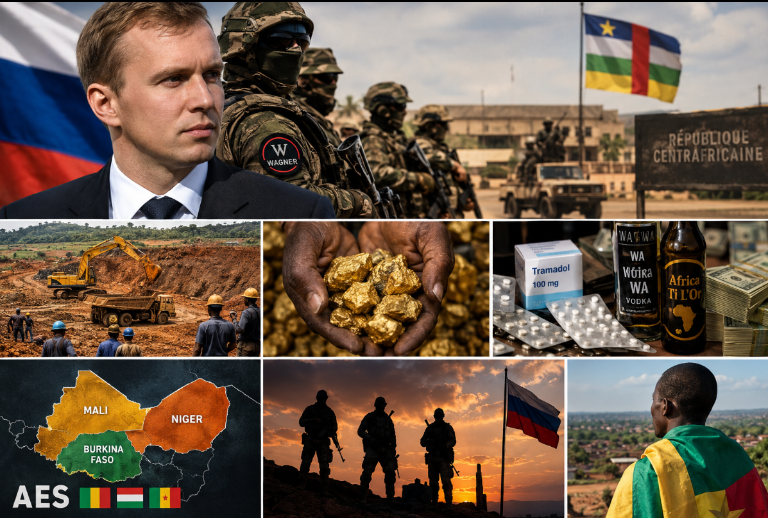
In retaliation, Mali, Niger, and Burkina Faso jointly recalled their ambassadors from Algiers and issued a joint statement accusing Algeria of actively supporting terrorism.
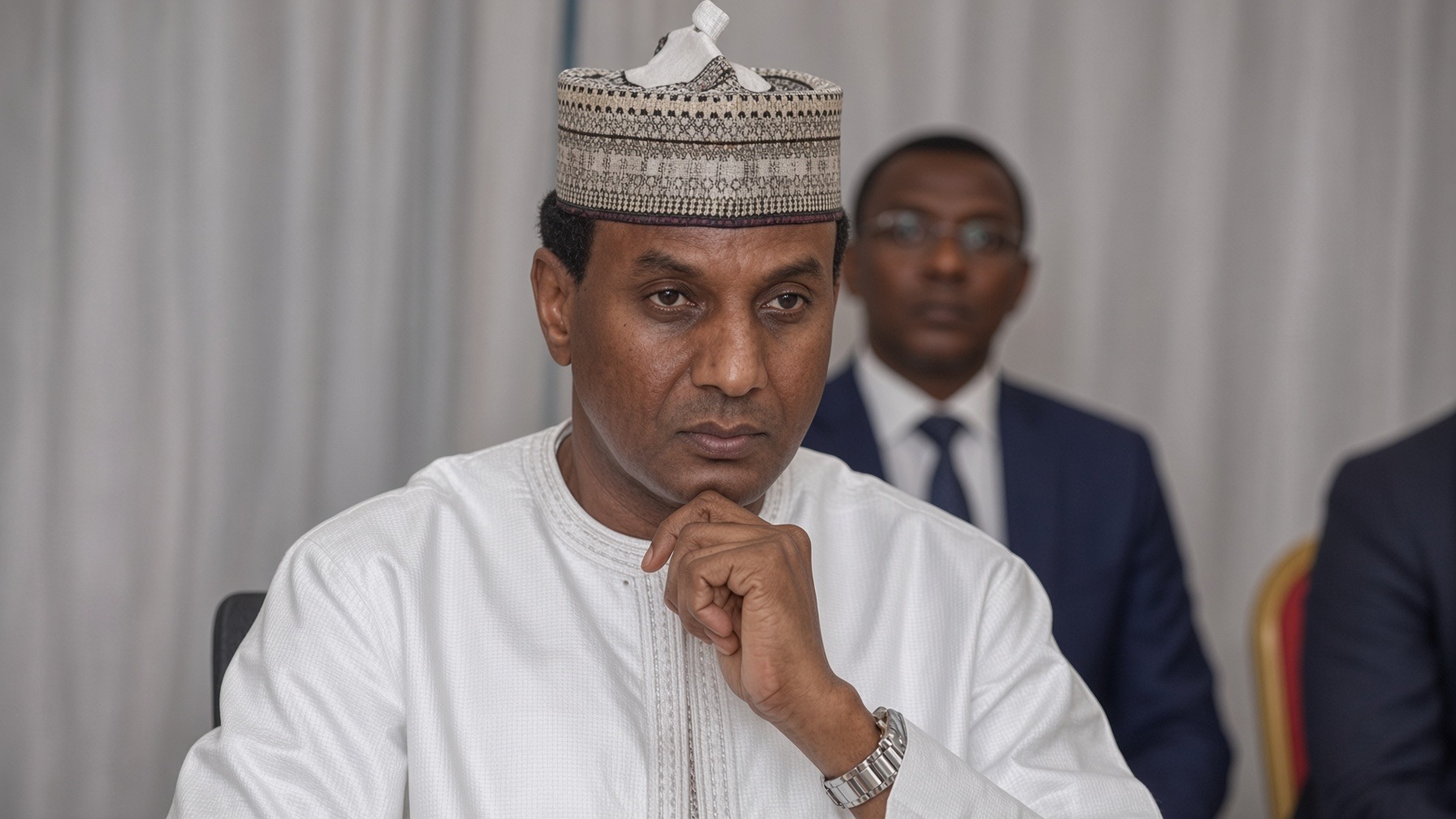
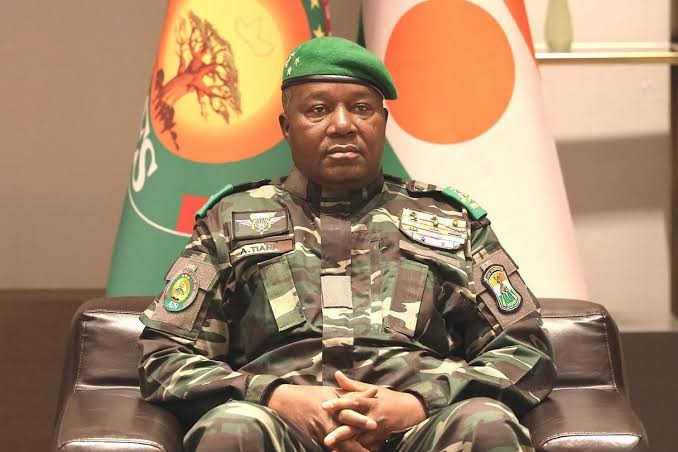
Niger, a key ally of Mali, has consistently echoed Bamako’s stance. Following the drone incident, Nigerien authorities threw their full support behind Mali, denouncing Algeria’s alleged role in fueling regional insecurity. Niger’s military leader, General Abdourahamane Tiani, has previously accused multiple foreign governments of sponsoring attacks against his country, further aligning Niamey with Bamako’s efforts to hold Algiers accountable.
This escalating dispute underscores a growing divide in West African security strategies. The region’s military-led governments argue that terrorism cannot be eradicated as long as neighboring states continue to adopt policies they deem permissive or destabilizing.