A staggering $50 million ransom paid in late 2025 to secure the release of a foreign hostage in Mali has sent shockwaves through the region’s security landscape. According to a confidential United Nations report, the funds—paid to militants linked to Al-Qaeda—have directly fueled the group’s expansion across the Sahel.
The document, compiled by UN sanctions monitors, traces the money’s path from its origin through multiple financial channels. While the report does not disclose the hostage’s identity or the payer, regional intelligence sources confirm the funds originated from the United Arab Emirates. Three individuals—a citizen of the UAE, a Pakistani national, and an Iranian—were reportedly freed in exchange for the payment. When approached for comment, an Emirati government spokesperson declined to address the specific case but reiterated the country’s commitment to combating terrorism financing and disrupting extremist networks.
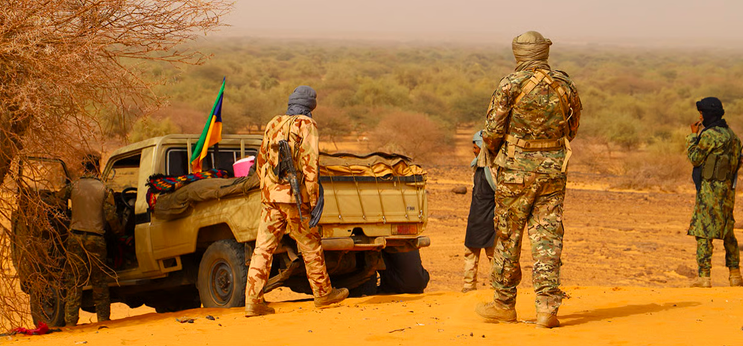
The ransom was funneled primarily to Jama’at Nusrat al-Islam wal-Muslimin (JNIM), Al-Qaeda’s dominant affiliate in the Sahel. The report highlights that the influx of cash accelerated the group’s military campaigns, particularly in Mali, where JNIM now commands an estimated 3,500 to 4,000 fighters. Additional funds were rerouted through Al-Qaeda in the Islamic Maghreb (AQIM) to the organization’s central leadership and its Yemeni branch.
JNIM’s growing influence is evident in its recent operations. In April, militants launched a brazen assault on Bamako, killing Mali’s Defense Minister. By June, the group escalated its tactics further, offering multi-million-dollar bounties for information leading to the capture of the Malian president. Security analysts note that typical ransom demands for foreign hostages in the region range between $4 million and $6 million—far below the sum paid in this case.
The UN report underscores a disturbing trend: kidnapping has become a lucrative revenue stream for JNIM, enabling the group to undermine state authority and weaken public trust in security institutions. As the group’s financial muscle grows, so does its ability to recruit, arm, and sustain operations across the Sahel.