Gold mining accountability in Cameroon and DRC must improve
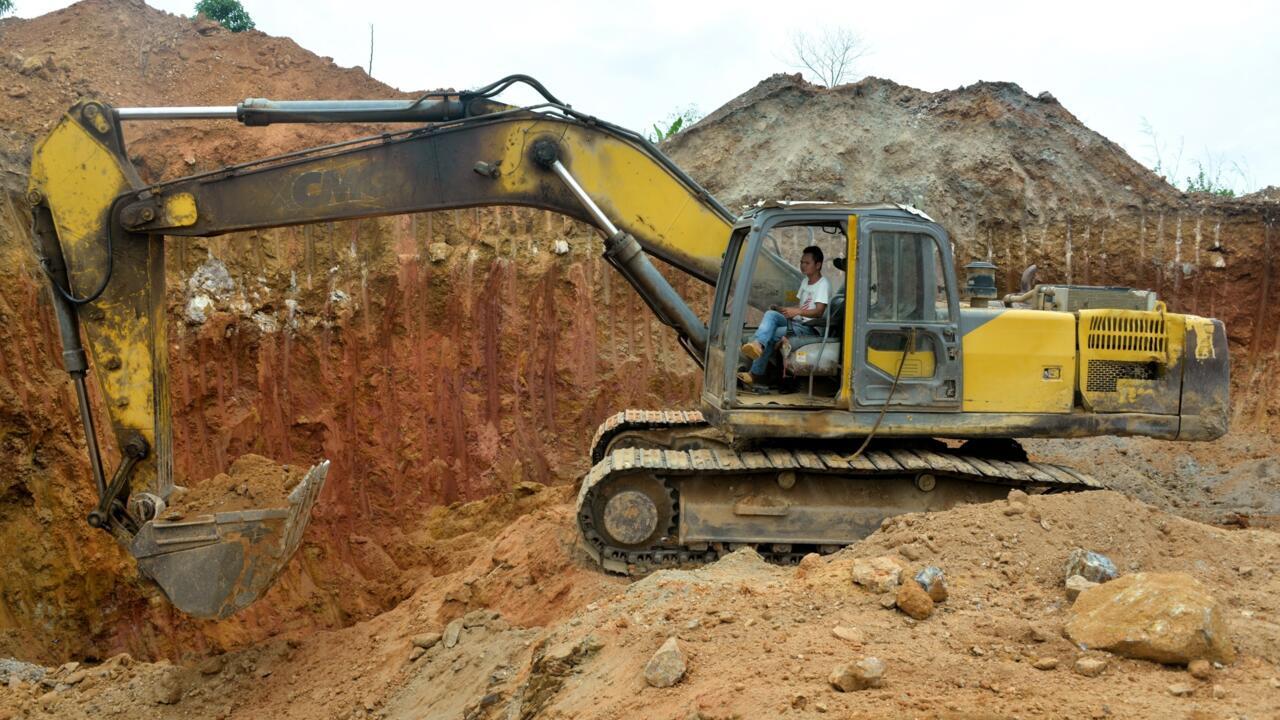
Across Cameroon and the Democratic Republic of Congo, the gold mining sector continues to face significant governance challenges. Despite ongoing efforts to regulate the industry, the flow of revenue from gold exports into national treasuries remains alarmingly low. This gap between declared and actual gold volumes highlights systemic shortcomings in oversight and accountability.
Revenue losses and regulatory gaps in gold mining
Recent findings from the Institute for Security Studies (ISS) reveal that while both Cameroon and the Democratic Republic of Congo are making progress in managing their gold sectors, the efforts fall short of what is needed. The report underscores a critical issue: gold revenues are not being fully accounted for or returned to state coffers. This discrepancy raises serious concerns about transparency and the effectiveness of current regulatory frameworks.
According to the Extractive Industries Transparency Initiative (EITI), Cameroon reported exporting just 22 kilograms of gold in 2023. However, importing countries claim to have purchased 15 tons, a staggering difference that points to unmonitored or illicit trade flows. These inconsistencies suggest that gold mining operations—both domestic and foreign—are operating with minimal oversight, allowing significant revenue to slip through the cracks.
Demands for greater accountability
Experts are calling for stronger enforcement of existing regulations and greater transparency from all stakeholders involved in the gold mining industry. Professor Aïcha Pemboura, a researcher at the ISS’s Observatory on Organized Crime and Violence in Central Africa, emphasizes the need for operators to be held accountable for their activities. Her insights highlight how weak governance structures are enabling revenue leakage and undermining economic development in the region.
The situation in both countries reflects broader challenges in the Sahel and Central African regions, where resource-rich nations struggle to translate natural wealth into tangible benefits for their populations. Without urgent reforms, the potential of gold mining to drive economic growth and development remains largely untapped.
Pathways to reform
To address these issues, stakeholders are urging the implementation of stricter monitoring mechanisms and the adoption of international best practices in the gold mining sector. This includes regular audits, transparent reporting of gold transactions, and collaboration between governments, industry players, and civil society to ensure that revenues are properly tracked and utilized for public good.
The path forward requires a concerted effort from all parties involved—governments must prioritize regulatory enforcement, operators must adhere to ethical and legal standards, and civil society must continue to advocate for transparency and accountability. Only through these collective actions can the gold mining sector in Cameroon and the Democratic Republic of Congo fulfill its potential as a driver of sustainable development.