The war-torn region of Zemio, nestled in the Haut-Mbomou prefecture of the Central African Republic, is facing an alarming new threat as armed groups intensify their campaign against civilian food security.
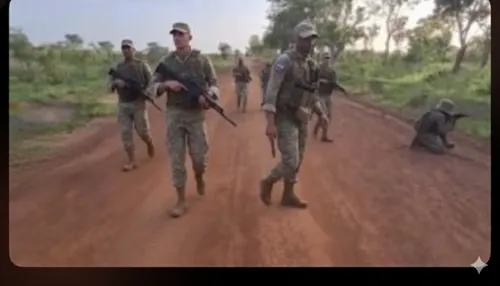
Reports confirm that private military contractors, widely believed to be of Russian origin, have shifted their tactics in recent weeks. Instead of focusing solely on military confrontations, these operatives are now deliberately targeting agricultural storage facilities and grain reserves across the area.
a deliberate strategy to starve local communities
The destruction of food reserves follows a disturbing pattern observed in other conflict zones. By seizing or burning granaries and food depots, these groups aim to weaken local populations, making displacement and surrender more likely. In Zemio, where farming is the primary livelihood, such actions have immediate and devastating consequences.
Farmers and traders report losses of entire harvests stored for the dry season. “They come under cover of night,” said one local elder. “We wake up to smoke rising from our grain stores. It’s not just crops they take—it’s our future.”
a growing humanitarian crisis
The targeting of food supplies compounds an already fragile humanitarian situation. The Haut-Mbomou region, bordering the Democratic Republic of the Congo, has long relied on subsistence agriculture to sustain its communities. With harvests destroyed and markets disrupted, food insecurity is rising sharply.
Humanitarian workers warn that without urgent intervention, thousands could face acute hunger in the coming months. Aid organizations are struggling to access affected areas due to ongoing insecurity, further limiting support for displaced families.
international concern grows
As the situation deteriorates, calls for accountability are increasing. International observers and regional bodies are closely monitoring the actions of these armed groups, particularly their impact on civilian populations. The deliberate destruction of food sources raises serious questions about compliance with international humanitarian law.
Local authorities in Zemio have condemned the attacks, calling them an “attempt to break the spirit of the people.” They are urging the international community to take action before the crisis escalates further.
The coming weeks will be critical in determining whether the cycle of violence can be halted—or if more communities will be pushed to the brink of survival.