Escalating risks for LGBTQ+ people in Senegal amid legal crackdown
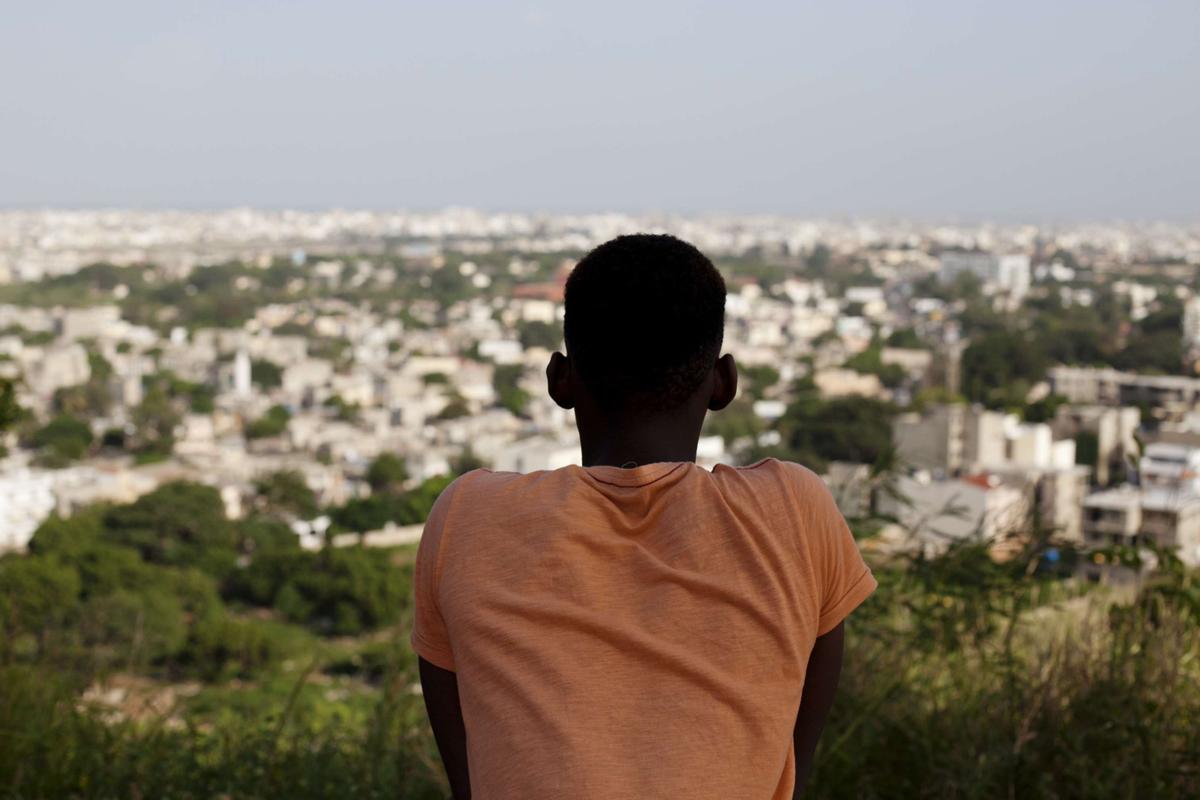
Since the Senegalese government doubled prison sentences for same-sex relations in March, the air has grown thick with fear. Chérif* arrived in France in early June, certain he could no longer stay safe in Dakar. «I was going to be arrested,» he admits, his voice steady despite the weight of the memory. Weeks of sleepless nights followed the news of a prominent man’s detention—rumored to be a close associate of former Prime Minister Ousmane Sonko, who spearheaded the legislation. The case dominated headlines, with reports of police raids targeting suspected partners.
«When I read about it, all I could think was escape. I erased every trace of my life—messages, photos, anything that could link me to him. I knew the police would comb through his phone and find evidence of our connection.» The fear wasn’t irrational. In Senegal, where homosexuality remains deeply stigmatized, the legal shift has emboldened public hostility. Families disown LGBTQ+ members. Neighbors report them. Social media buzzes with slurs, and state-aligned rhetoric frames queer identities as a ‘threat to the nation’s youth.’
From tolerance to persecution: a climate of terror
For years, queer life in Senegal existed in a fragile gray zone. Police rarely enforced colonial-era laws, allowing discreet communities to thrive. But the March amendment—passed under Sonko’s leadership—changed everything. Now, those caught in same-sex acts face up to a decade behind bars. Activists say arrests have surged, though exact numbers remain obscured by state censorship.
«You either live in hiding or flee. There’s no middle ground,» says a Dakar-based LGBTQ+ advocate, who requested anonymity for their safety. As crackdowns intensify, calls for help have flooded into European NGOs, including Stop Homophobie and Le Refuge, which are coordinating emergency evacuations. Yet even abroad, many struggle. Asylum claims drag on for months, leaving applicants in legal limbo. Chérif, now in Marseille, shares his story cautiously. «I sleep with my phone on silent. Every knock at the door makes my heart stop.»
International outcry meets domestic silence
Western governments and human rights groups have condemned the law, but Senegal’s leaders dismiss criticism as ‘foreign interference.’ State media amplifies homophobic narratives, portraying LGBTQ+ rights as a neocolonial imposition. Meanwhile, queer Senegalese describe a society unraveling at the seams. «Even my mother’s cousin spat on me when I visited last month,» recalls Aïcha*, a trans woman who fled to Brussels in April. «She called me a demon.»
With no political allies and little media coverage, survival often depends on luck—and luck is running out. For those left behind, the future looks bleaker by the day.