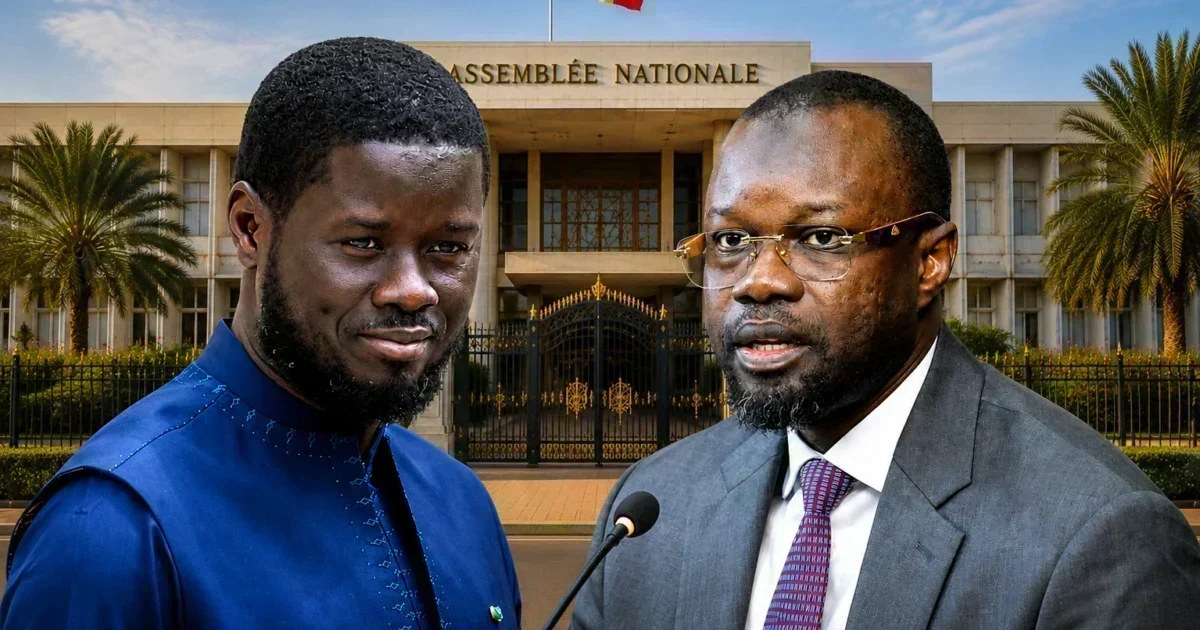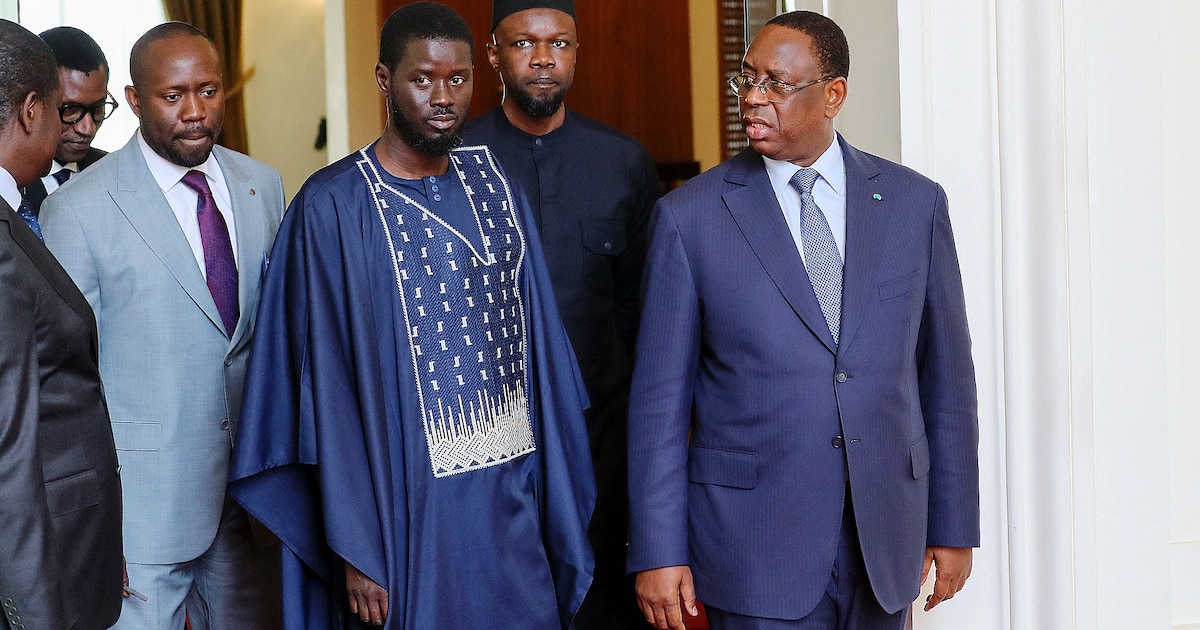
Senegal is on edge as former President Macky Sall prepares to land at Dakar’s Yoff military airport this Friday, marking his first visit since his 2024 electoral defeat. The surprise announcement of his arrival—just days before a scheduled meeting with current President Bassirou Diomaye Faye—has reignited deep political divisions in the country.
Reopening old wounds
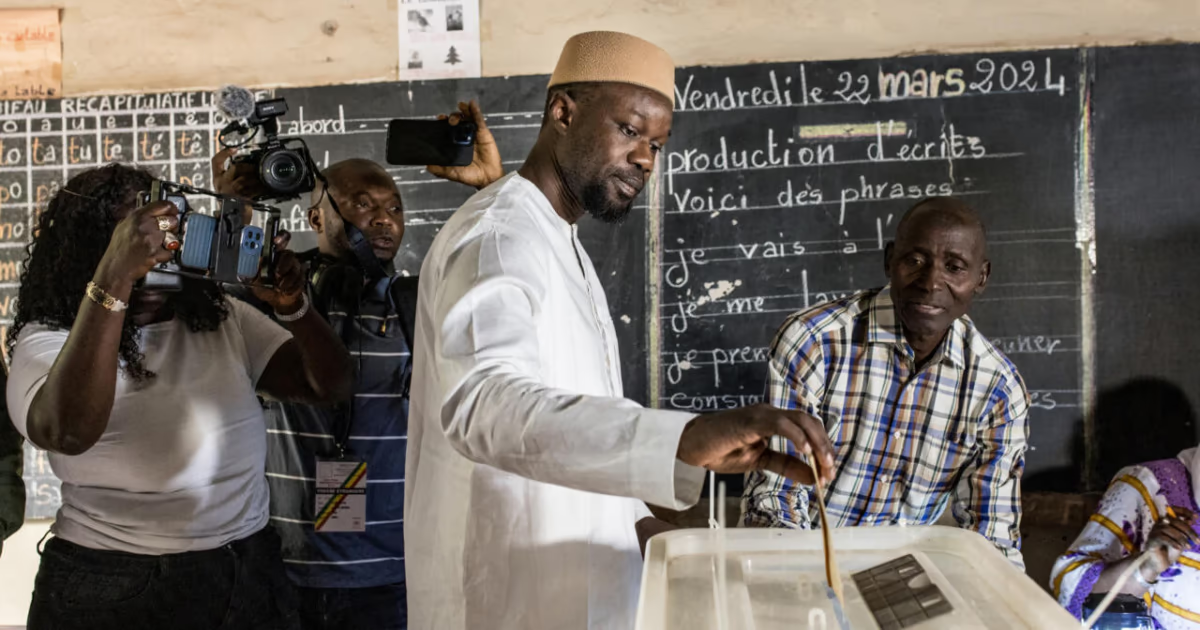
The timing of his return could not be more contentious. Just months before the 2024 elections, President Bassirou Diomaye Faye and his party, the Pastef, faced brutal crackdowns. Aly Coly, a political activist, recalls the ordeal: “They even imprisoned my wife and our three-month-old baby, simply because we supported the Faye-Sonko ticket.”
Human rights groups estimate over 1,000 political detainees were held during this period, with reports of torture and extrajudicial killings. The violence left at least 65 dead in protests between 2021 and 2024—a legacy that fueled Faye’s electoral victory on a platform of justice and systemic change.
An international ambition behind the visit
While Macky Sall frames his trip as a private matter, he has made one thing clear: his visit is tied to his bid for United Nations Secretary-General. Speaking before the UN General Assembly in April, he positioned himself as a champion of multilateralism—despite failing to secure backing from the African Union or his own government.
The announcement has drawn fierce criticism. “How can someone accused of overseeing 65 deaths lead the UN, whose core mission is human rights?” questions Aly Coly. Yet others see strategic value. Maurice Soundieck Dione, a political science professor at the Université Gaston Berger, argues: “If Senegal supports Sall’s candidacy, it could boost the country’s global image, attracting foreign investment and strengthening diplomatic ties.”
A calculated political maneuver
For President Faye, the meeting with his predecessor may be more than symbolic. Strained relations with his former mentor, Ousmane Sonko—now Speaker of Parliament—have left the administration vulnerable. Maurice Soundieck Dione explains: “Faye risks alienating his base by engaging with Sall, but in Senegal’s political culture, betraying a mentor is a grave misstep.”
With Sonko wielding significant influence in Parliament, Faye may seek to neutralize potential opposition. Yet the move risks backlash from supporters who accuse him of backtracking on campaign pledges to dismantle the old regime.
As Senegal watches, Friday’s meeting could either deepen the president’s isolation—or signal a pragmatic shift in a fragile political landscape.