Escalating instability threatening the Sahel region

Unstable Front: How Fragmentation is Reshaping Sahel Security
The Sahel region is witnessing a dramatic shift in its security landscape, with violence spreading from the heart of Mali to the borders of Nigeria. This expanding conflict zone is not merely a series of isolated incidents but a symptom of deeper geopolitical fractures that threaten regional stability. The proliferation of armed groups, shifting alliances, and eroding state control are creating a volatile environment where humanitarian crises and security threats intertwine.
The Expanding Conflict Arena
The conflict’s reach now spans across the Sahel, transforming what was once a localized insurgency into a sprawling regional challenge. Mali, long at the epicenter of the crisis, continues to face relentless attacks from Islamist factions, while neighboring nations grapple with the spillover effects of unchecked violence. The emergence of new hotspots in Niger and Burkina Faso underscores the fluid nature of this crisis, with armed groups exploiting weak governance and porous borders to consolidate power.
Root Causes of Fragmentation
The roots of this instability are complex and multifaceted. Decades of weak governance, economic deprivation, and ethnic tensions have created fertile ground for extremist ideologies. The absence of strong institutions has left communities vulnerable, while external interventions have often exacerbated local grievances. Additionally, climate change-induced resource scarcity is fueling competition and displacement, further destabilizing already fragile regions.
Humanitarian Impact and Regional Response
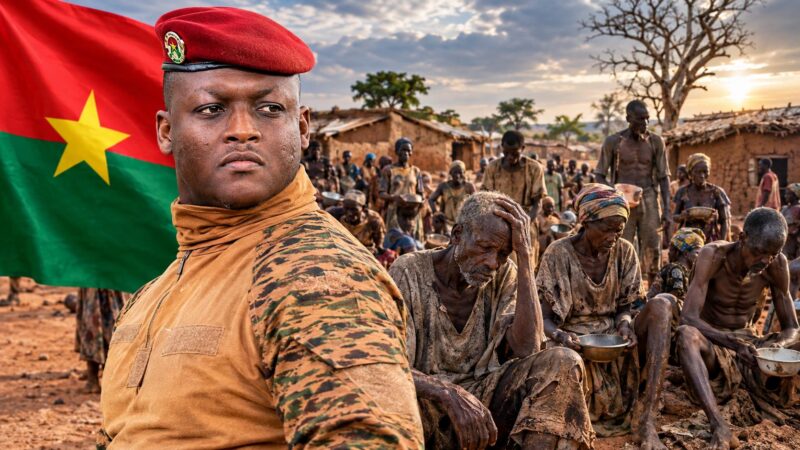
The humanitarian toll of this crisis is staggering. Millions have been displaced, forcing families to abandon homes and livelihoods in search of safety. Aid organizations are stretched thin, struggling to provide essential services amid escalating violence. Regional bodies like the Economic Community of West African States (ECOWAS) are attempting to coordinate responses, but progress is slow in the face of entrenched instability. International partners are also stepping up, yet the scale of need far outstrips available resources.
What Lies Ahead?
The future of the Sahel hinges on addressing the structural issues driving the crisis. Without meaningful governance reforms, economic revitalization, and community-driven security solutions, the region risks descending deeper into chaos. The international community must prioritize sustainable interventions over short-term fixes to break this cycle of violence and instability.
The images and reports emerging from the Sahel paint a stark picture of a region at a crossroads. The choices made today will determine whether the Sahel can reclaim its stability or continue its dangerous descent into fragmentation.