Ebola reaches fourth province in Democratic Republic of Congo
In the Democratic Republic of Congo (DRC), the Ebola outbreak has expanded to a fourth province, with Haut-Uélé now affected by the deadly virus. According to health officials, the epidemic has infected 1,274 people and claimed 360 lives since its declaration in May. The Ituri province remains the epicenter of the crisis, where response teams are struggling to contain the spread amid challenges like armed conflicts, difficult terrain access, and community distrust.

Haut-Uélé: A new front in the Ebola battle
Previously, three provinces had reported Ebola cases: Ituri (bordering Uganda and South Sudan), North Kivu, and South Kivu. Uganda has also recorded 20 cases, including two deaths. Haut-Uélé, now the fourth affected province, borders South Sudan and the Central African Republic, sharing similarities with Ituri—both regions are conflict-ridden, resource-rich, and serve as major transit hubs, factors that accelerate viral transmission.
A confirmed case in Haut-Uélé originated from Ituri, where an infected individual traveled before succumbing to the virus. Health authorities are scrambling to trace contacts and break transmission chains, particularly as funerals remain a high-risk setting. Ebola’s spread is fueled by traditional burial practices, where mourners often handle the deceased’s body, and the virus can survive in bodily fluids for days.
Armed violence and logistical hurdles hamper response
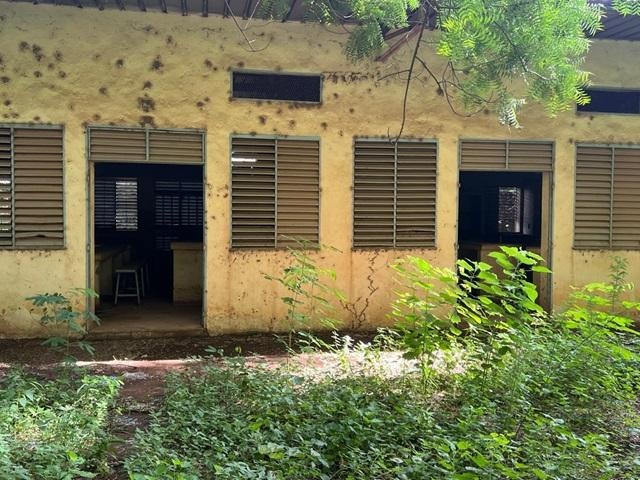
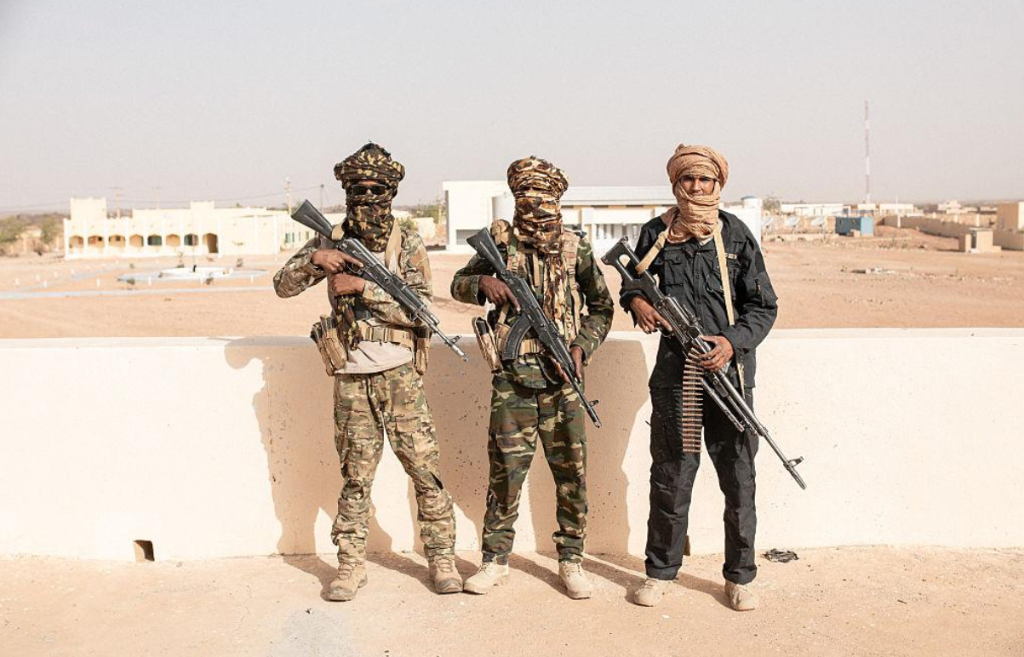
The crisis is compounded by relentless violence from armed groups. In Ituri, clashes have persisted for over a decade, driven by communal militias and the Allied Democratic Forces (ADF), an Islamic State-affiliated group. Recent attacks have spilled into Haut-Uélé, further destabilizing the region. Security concerns delay the deployment of health workers and supplies, with authorities acknowledging delays in detecting the outbreak.
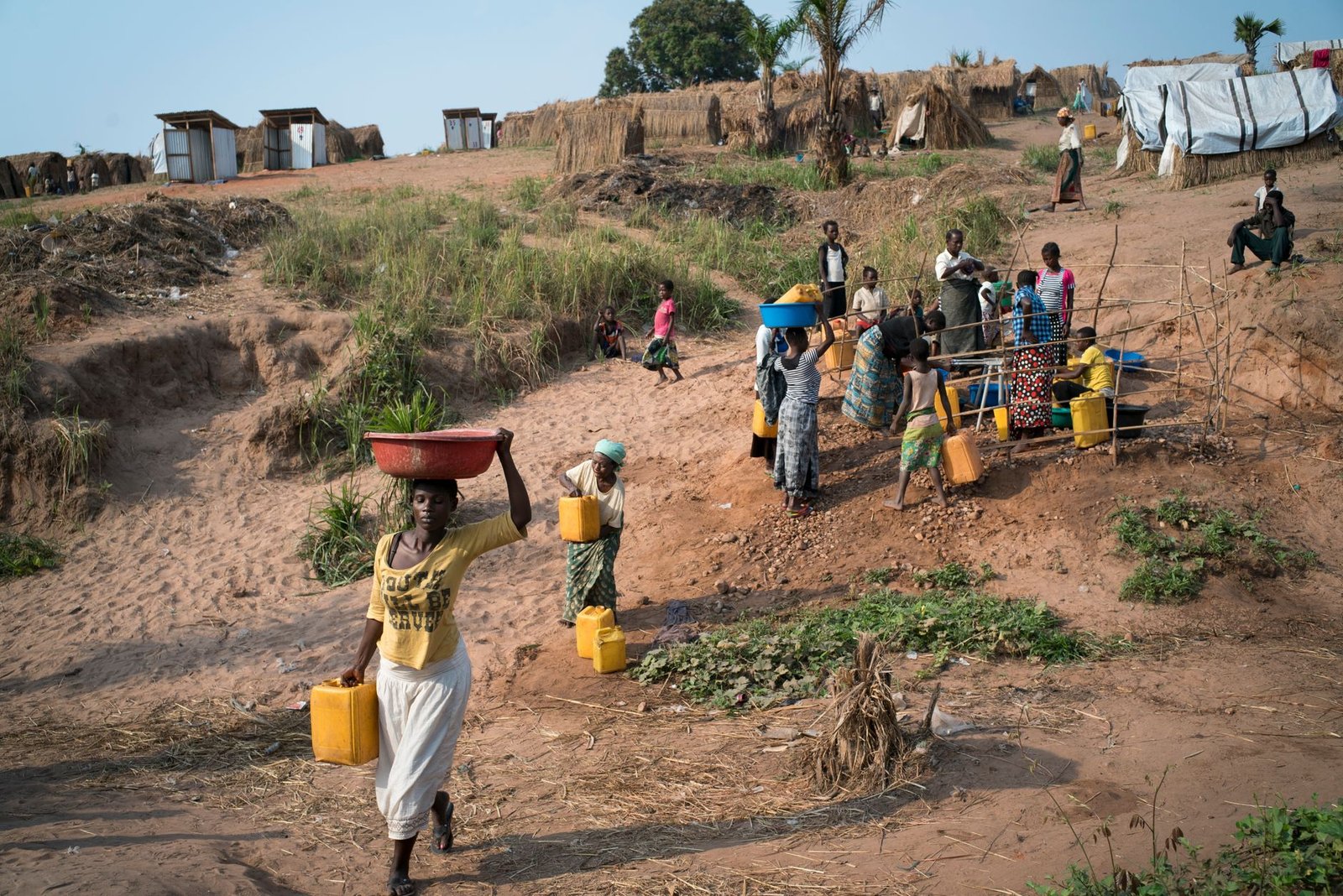
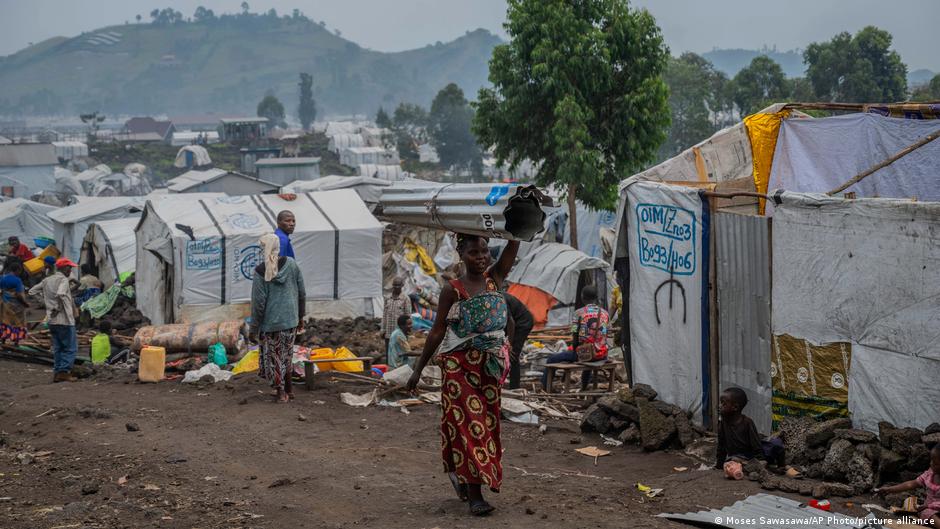
Epidemiological investigations suggest the first suspected deaths may date back to January, but confirmation remains pending. Response efforts have intensified in Ituri, yet health facilities—already under-resourced in one of the world’s poorest nations—lack basic protective gear and sanitation supplies. Treatment centers, supported by the World Health Organization (WHO) and NGOs, are overwhelmed, operating at over 138% capacity. At least 78 healthcare workers have been infected, with 18 fatalities.
Long road ahead as outbreak persists
Experts warn the epidemic has not yet peaked, with projections indicating the crisis could persist for six months to a year. Since Ebola’s discovery, the virus has killed over 15,000 people across Africa in the past five decades. The DRC’s deadliest outbreak, between 2018 and 2020, resulted in 2,300 deaths out of 3,500 cases.
Despite setbacks, health officials remain cautiously optimistic. “We are committed to containing this outbreak, but it will require sustained effort and time,” stated a leading virologist involved in the response. Controlling the spread hinges on overcoming logistical barriers, gaining community trust, and curbing violence to ensure safe access for health teams.