The World Health Organization (WHO) has raised a red flag over the unprecedented spread of Ebola in the Democratic Republic of Congo (DRC), now two months into the declared outbreak. In a press briefing from Geneva, WHO Director-General Dr. Tedros Adhanom Ghebreyesus warned that the epidemic is progressing faster than any previous Ebola flare-ups in the country.
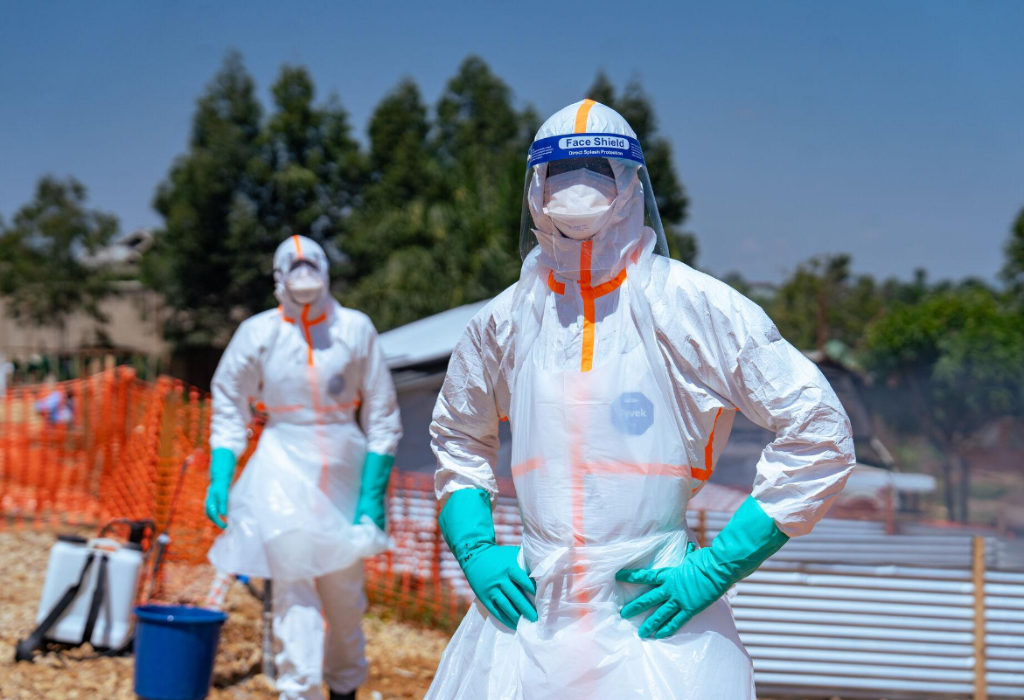
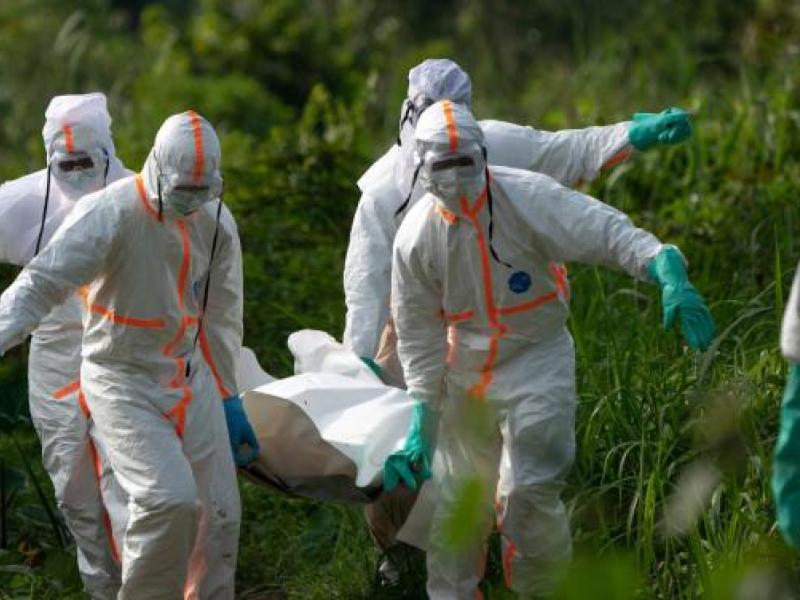
The current outbreak has now become the third-largest Ebola epidemic ever recorded, with 2,073 cases and 796 deaths documented so far. For context, the 2018-2019 DRC Ebola outbreak took over ten months to reach 2,000 confirmed cases. The situation is particularly dire in Ituri Province, where over 80% of new cases are emerging outside known contact lists, signaling undetected transmission chains.
Dr. Tedros highlighted critical challenges in the response, including community resistance and armed conflicts that hinder access to affected regions. The attack on an Ebola treatment center in Bunia, the provincial capital of Ituri, underscores the escalating insecurity complicating containment efforts.
WHO calls for urgent political intervention
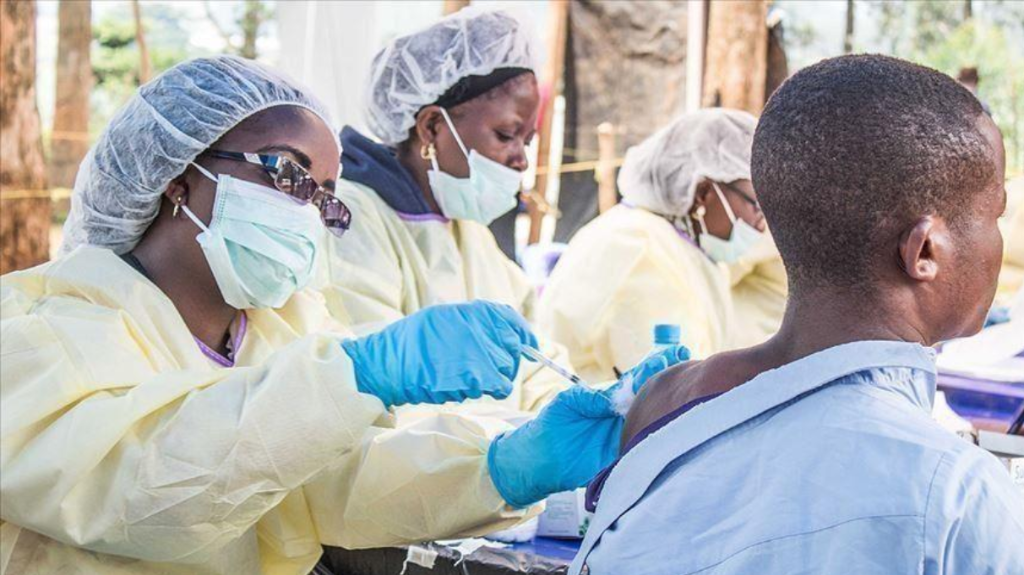
The WHO chief emphasized the need for immediate political action to facilitate a robust response. While progress has been made—such as expanding treatment capacity to over 800 beds, deploying 16 laboratories, and training nearly 21,000 community health workers—the outbreak’s rapid spread demands stronger leadership and coordination.
Dr. Tedros also pointed to encouraging developments in research, including clinical trials for monoclonal antibody treatments (MBP134) and antiviral drugs (remdesivir), as well as the initiation of a vaccine safety trial by the University of Oxford. Despite the absence of approved vaccines or treatments, 377 patients have recovered, demonstrating the importance of early diagnosis and supportive care.
Meanwhile, neighboring Uganda has made significant strides in its Ebola response, with the last confirmed patient discharged today. However, the risk of cross-border transmission remains high due to the ongoing crisis in the DRC.
Government reassures despite growing concerns
DRC authorities have dismissed alarmist rhetoric, stressing their commitment to collaborating with national and international partners to contain the epidemic. The country’s experience in managing health crises—having successfully controlled 16 prior Ebola outbreaks—serves as a testament to its resilience. Yet, the current scale and speed of the outbreak pose unprecedented challenges.
The WHO has classified the outbreak as a Public Health Emergency of International Concern (PHEIC), citing its geographic expansion and the potential for underreporting. Factors such as population mobility, fragile health systems, and limited access to conflict-affected areas further exacerbate the situation.
As the crisis deepens, the call for a coordinated, multi-sectoral response grows louder. The WHO’s appeal for political intervention reflects the urgent need to address both the health and security dimensions of this escalating emergency.