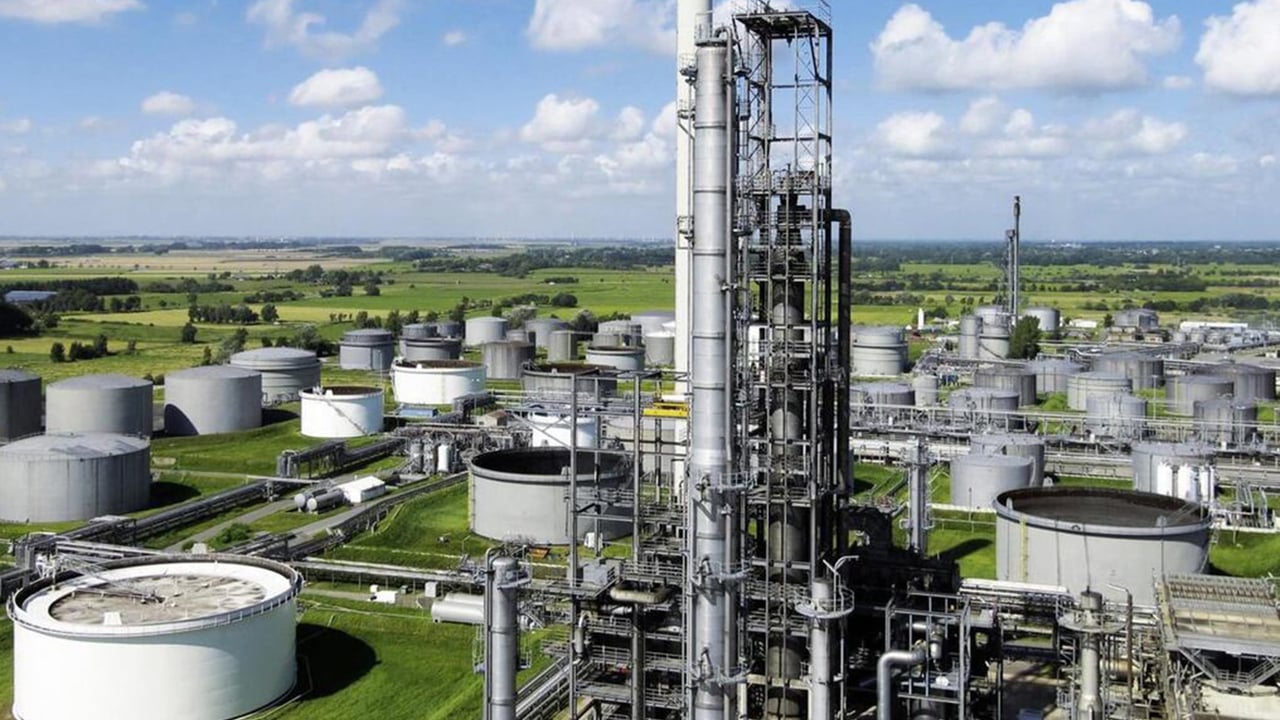

The National Refining Company of Cameroon (Sonara) is undergoing a strategic transformation, abandoning its long-standing private refining agreement known as ‘Parras 24’ in favor of a renewed commitment to public-public partnerships. This bold shift signals a new chapter in the country’s energy sector, aiming to enhance national control over fuel production and distribution.
Economic sovereignty drives refinery strategy
Cameroon’s leadership has decided to prioritize domestic refining capabilities by reinforcing Sonara’s operational independence. The termination of the ‘Parras 24’ agreement marks the end of an era where foreign private operators played a dominant role in the country’s refining processes. Instead, the government is now focusing on strengthening Sonara’s infrastructure and technical expertise to meet national fuel demands.
This strategic pivot reflects a broader ambition: reducing reliance on imported refined products while boosting local refining capacity. With global oil prices remaining volatile, Cameroon is taking proactive steps to secure its energy future through self-sufficiency.
Public-public partnerships: a new model for Sonara
The revised strategy hinges on collaboration with other public-sector entities, both within and beyond Cameroon’s borders. By leveraging shared resources, technical know-how, and financial support from regional partners, Sonara aims to modernize its facilities and expand its output. This approach not only enhances operational efficiency but also ensures that profits remain within the national economy.
Key advantages of this model include:
- Greater transparency in refining operations and financial management
- Increased job creation within the local refining sector
- Stronger energy security by reducing dependence on external suppliers
- Long-term cost savings through optimized production processes
Challenges and opportunities ahead
While the transition presents promising prospects, Sonara faces several hurdles. Upgrading existing infrastructure requires significant investment, and training local personnel to handle advanced refining technologies is a priority. Additionally, ensuring seamless coordination between public entities will be critical to the success of this new model.
However, the potential benefits far outweigh the challenges. A revitalized Sonara could position Cameroon as a regional leader in fuel production, attracting further investment and fostering economic growth. The government’s commitment to this vision underscores its determination to build a resilient and self-reliant energy sector.
Conclusion: a bold step toward energy independence
Cameroon’s decision to abandon ‘Parras 24’ and embrace public-public partnerships is a defining moment for Sonara and the nation’s energy landscape. By prioritizing national control and collaboration, the country is taking decisive action to secure its fuel supply, stabilize prices, and drive economic progress. The road ahead may be complex, but the rewards—energy sovereignty, economic resilience, and sustainable growth—are well worth the journey.