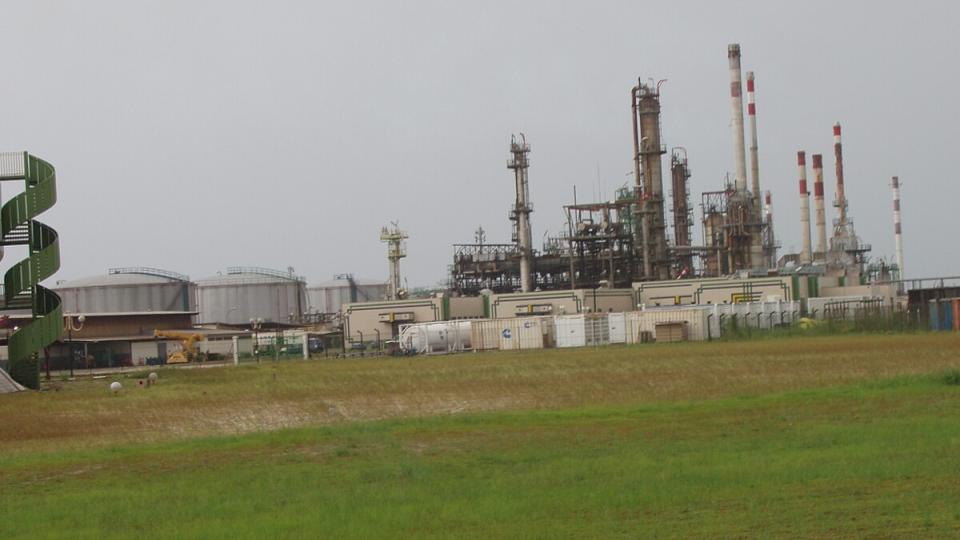
Despite being a petroleum powerhouse in Central Africa, Gabon remains trapped in a costly reliance on imported refined fuels. The Central African States Bank (BEAC) is now urging Libreville to fast-track upgrades at the Société Gabonaise de Raffinage (SOGARA), a move seen as vital to easing pressure on public finances and safeguarding the region’s foreign reserves.
The warning comes as the BEAC highlights the issue in its latest inflation and economic outlook report for the CEMAC zone. Although Gabon pumps substantial volumes of crude daily, the SOGARA refinery’s outdated infrastructure forces the country to import gasoline and diesel at a heavy cost, exposing the economy to global price swings.
Fluctuating geopolitical tensions and volatile oil prices have sent fuel bills soaring, widening the trade deficit and draining the nation’s hard currency reserves managed by the regional central bank.
Urgent need for industrial upgrades
To break this cycle, the BEAC is pushing for targeted investments to modernize the Port-Gentil refinery. Key upgrades include installing advanced hydrocracking units to boost output of high-demand fuels and process more local crude into usable products.
Such improvements would help SOGARA better meet domestic demand and gradually reduce costly fuel subsidies, which continue to strain the national budget.
Budget decisions watched closely
The BEAC’s call shifts the spotlight to Gabon’s government, where the decision carries deeper implications for economic sovereignty and energy security.
Analysts and financial players will be closely monitoring the upcoming Projet de Loi de Finances (PLF) to see if the recommendation translates into concrete budget commitments. For Gabon, successfully pivoting toward local refining could become a cornerstone of macroeconomic stability in the years ahead.