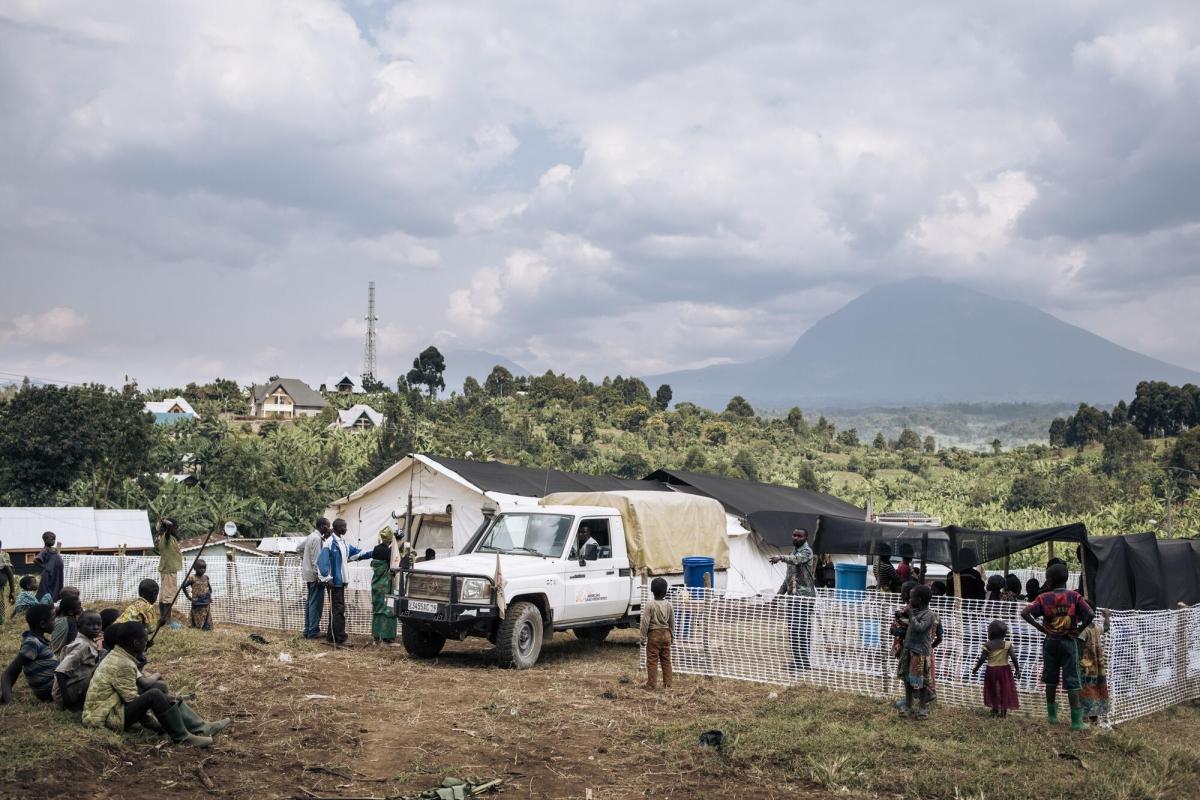
DRC alert: North Kivu faces exclusion from critical malaria funding
As the deadline for Global Fund grant applications approaches, Médecins Sans Frontières (MSF) warns that North Kivu may be excluded from upcoming malaria financing in the Democratic Republic of the Congo. With malaria remaining the leading cause of illness in this conflict-stricken region, this withdrawal could devastate public health and survival rates among local communities.
The GC8 cycle: financial decisions with devastating consequences
The GC8 marks the next three-year funding cycle (2027-2029) of the Global Fund aimed at combating malaria, HIV, and tuberculosis. Grant applications, based on national priorities, close at the end of July. Currently, North Kivu—a province plagued by armed conflict—appears unlikely to be included in malaria funding allocations. These financial decisions directly determine access to healthcare in the country’s most vulnerable regions.
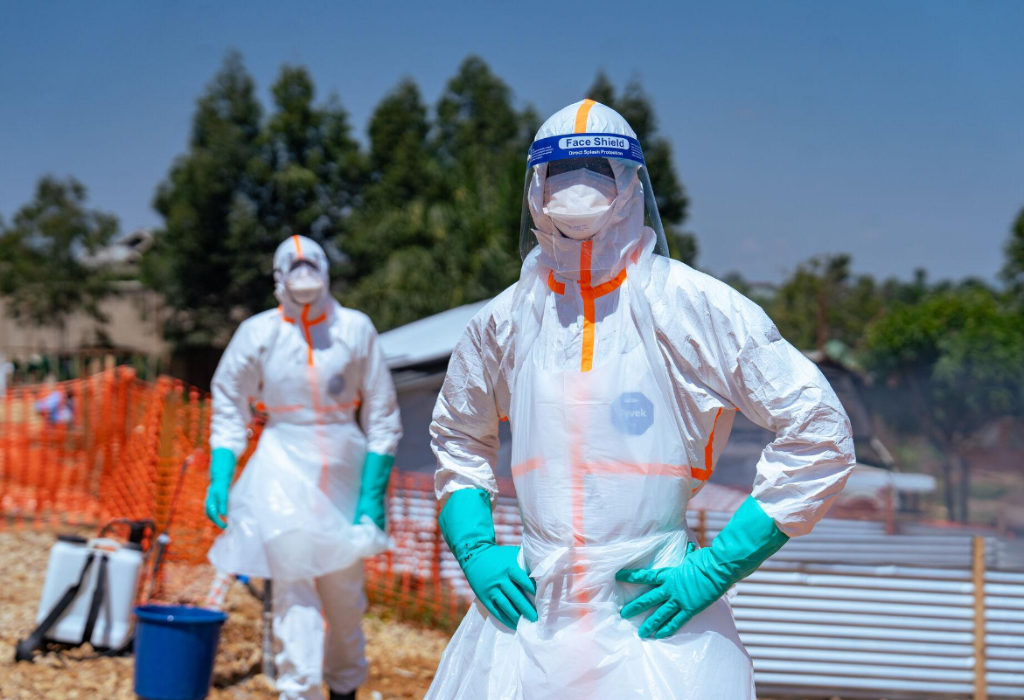
“For years, the Global Fund has been a lifeline for North Kivu residents battling malaria. Without continued support for prevention and treatment, the situation will spiral into catastrophe. Malaria is preventable and treatable, yet in 2026, people are still dying from it or developing severe complications.” warns Stéphane Doyon, MSF’s malaria program manager. The exclusion of North Kivu comes as the province grapples with multiple crises. The local healthcare system, already fragile, is struggling to contain a worsening Ebola outbreak. Compounding the challenge, early symptoms of malaria and Ebola often overlap, leading to misdiagnoses, delayed treatments, and overwhelming already-strained medical facilities.
Armed conflict fuels malaria surge in North Kivu
“North Kivu is one of the provinces hardest hit by armed conflict. Repeated population displacements, food insecurity, and barriers to healthcare access significantly increase malaria exposure and the risk of severe illness,” explains Stéphane Doyon.
Clashes between government-backed armed groups and the AFC/M23 have forced civilians to flee into remote forests and isolated areas—environments where mosquitoes thrive and medical services are nearly nonexistent. The risk of malaria transmission in these settings is alarmingly high.
In 2025, within MSF-supported health zones such as Bambo, Kibirizi, and Rutshuru, malaria accounted for 48% to 58% of all medical consultations. In these areas alone:
- MSF, the Ministry of Health, and partners managed over 255,000 uncomplicated malaria cases and 26,000 severe cases.
- More than 165,560 patients received treatment in MSF-supported facilities.
Malnutrition: a deadly multiplier in a dire healthcare landscape
Malnutrition remains a growing concern in many MSF-supported health centers. When combined with malaria, it dramatically increases the risk of severe complications and death, especially among children under five.
Dwindling prevention and supply shortages
Essential malaria prevention measures have already been scaled back in parts of North Kivu. No distribution of insecticide-treated mosquito nets has occurred since June 2023. Between July and December 2025, supply chain breakdowns prevented the delivery of critical diagnostic tests and treatments to the province.
Faced with these shortages, MSF has stepped in to procure medicines and rapid tests to fill the gaps in multiple health centers. Our teams have since:
- Provided 53% of all treatments for uncomplicated malaria.
- Handled 35% of severe malaria treatments in Kibirizi, Bambo, and Rutshuru—areas where MSF collaborates with the Ministry of Health and other partners.
A long-term solution is urgently needed to address the scale of need across North Kivu’s vast territory.
MSF calls for fair funding distribution
With the grant application deadline looming, MSF is urging the Global Fund and authorities in Kinshasa to immediately reinstate North Kivu in the GC8 funding cycle. The organization also calls on the Congolese Ministry of Health to ensure resources are allocated based solely on disease burden and civilian vulnerability.