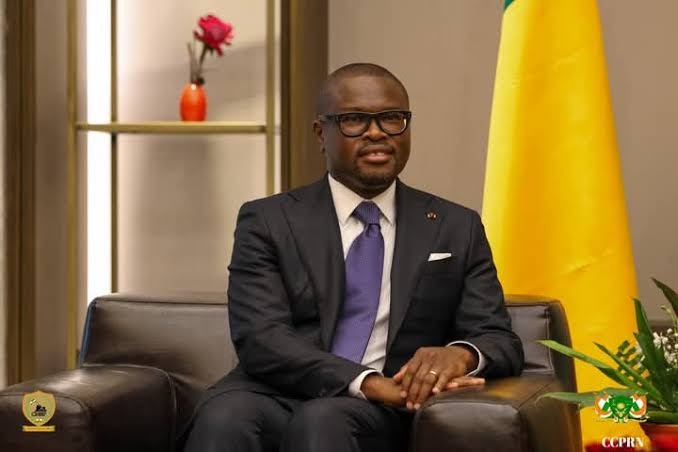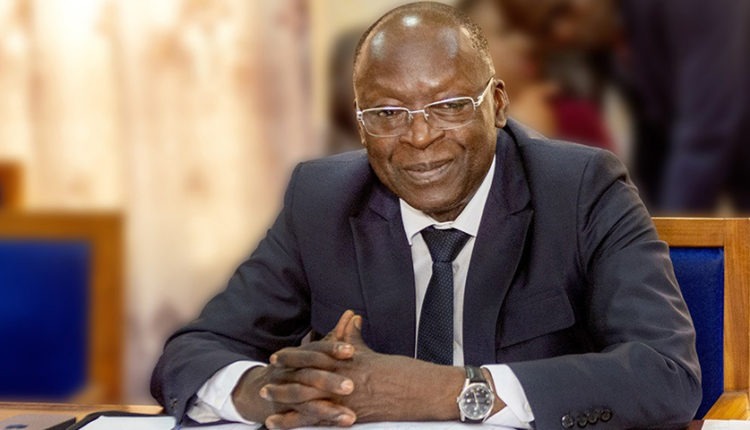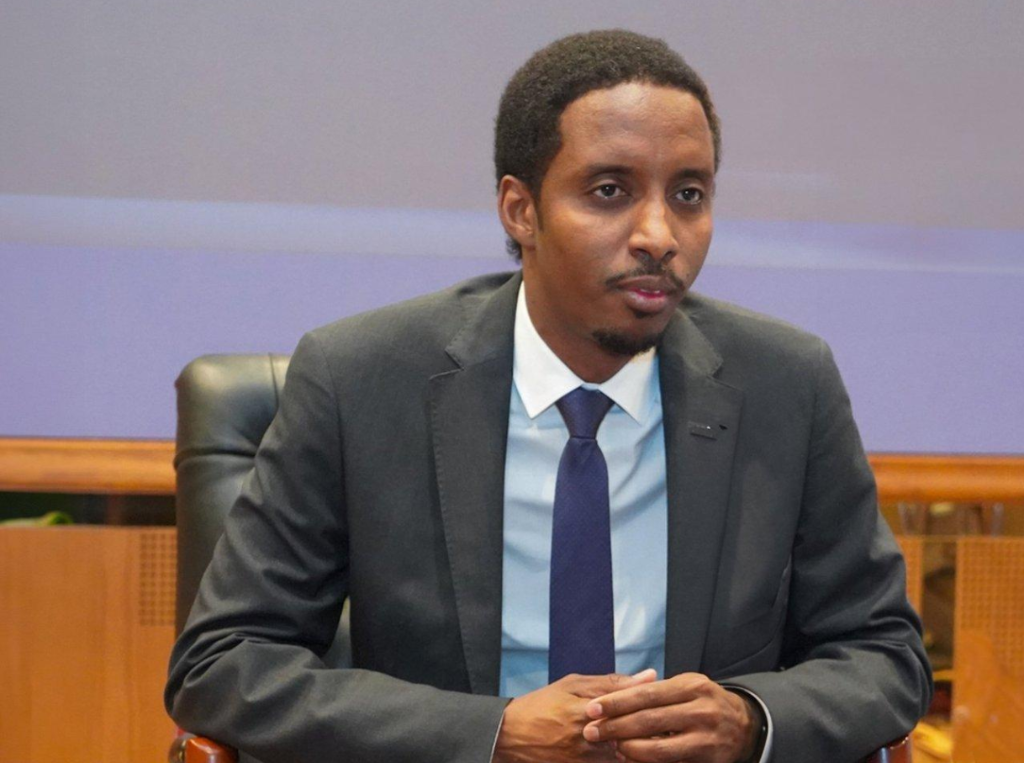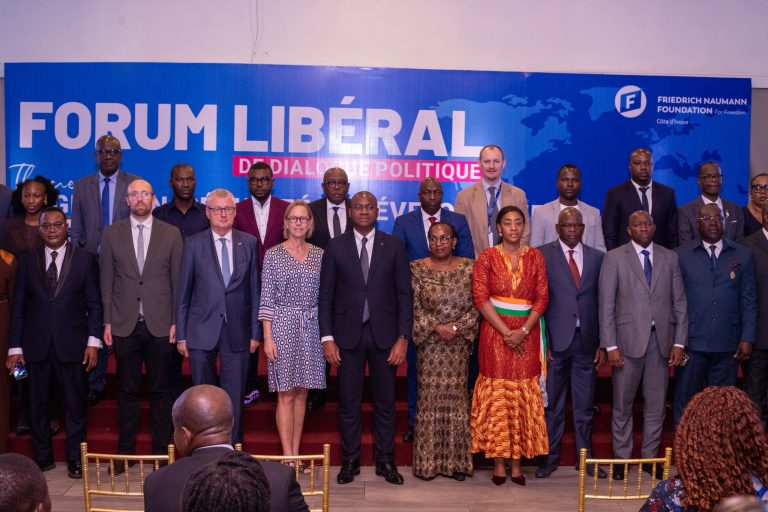
Abidjan played host to a pivotal political dialogue on migration, security, and development as leaders gathered for the Liberal Forum from July 15–16, 2026. The event, centered on rethinking Africa-Europe partnerships, brought together Sidi Touré, Vice President of the Liberal International and Côte d’Ivoire’s Minister of Animal and Fisheries Resources, and Alexandra Heldt, Regional Director for West Africa at the Friedrich Naumann Foundation (FNF).
Migration as a matter of freedom, not crisis
Sidi Touré opened the discussion by reframing migration not as a problem to be feared, but as a fundamental expression of human freedom. Citing United Nations data, he noted that migrants constitute just 3.7% of the global population, with over 96% of people living in their country of birth. « The world is not being overwhelmed by migration, » he stated, challenging the prevailing narrative of crisis. He further emphasized that 70% of African migration occurs within the continent, using daily commuter flows at Abidjan’s Adjamé bus station as a real-world example. « This is not a crisis—it is life, » he asserted, linking the tradition to Côte d’Ivoire’s culture of hospitality, embodied by the welcoming term Akwaba.
Regional unity amid political shifts
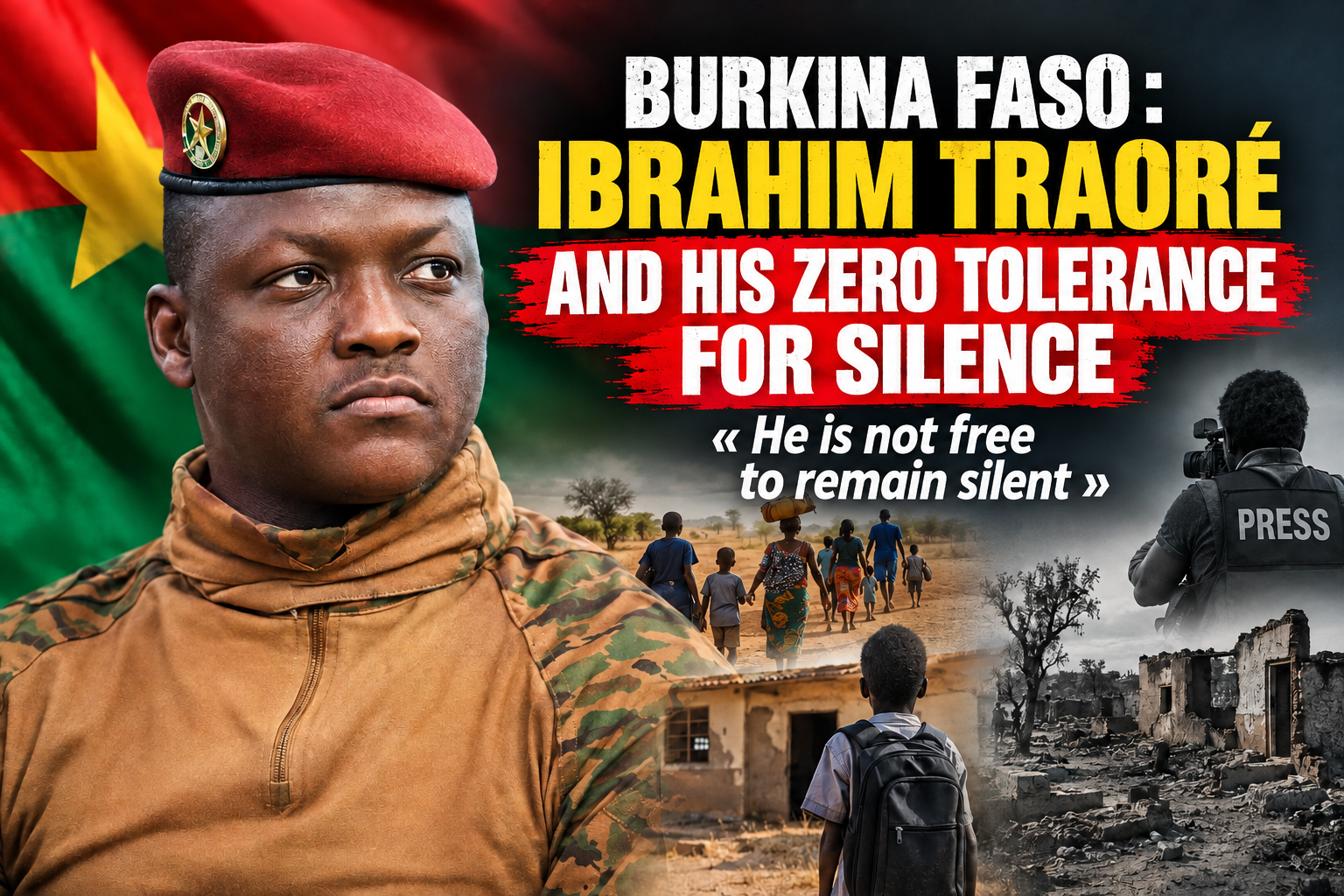
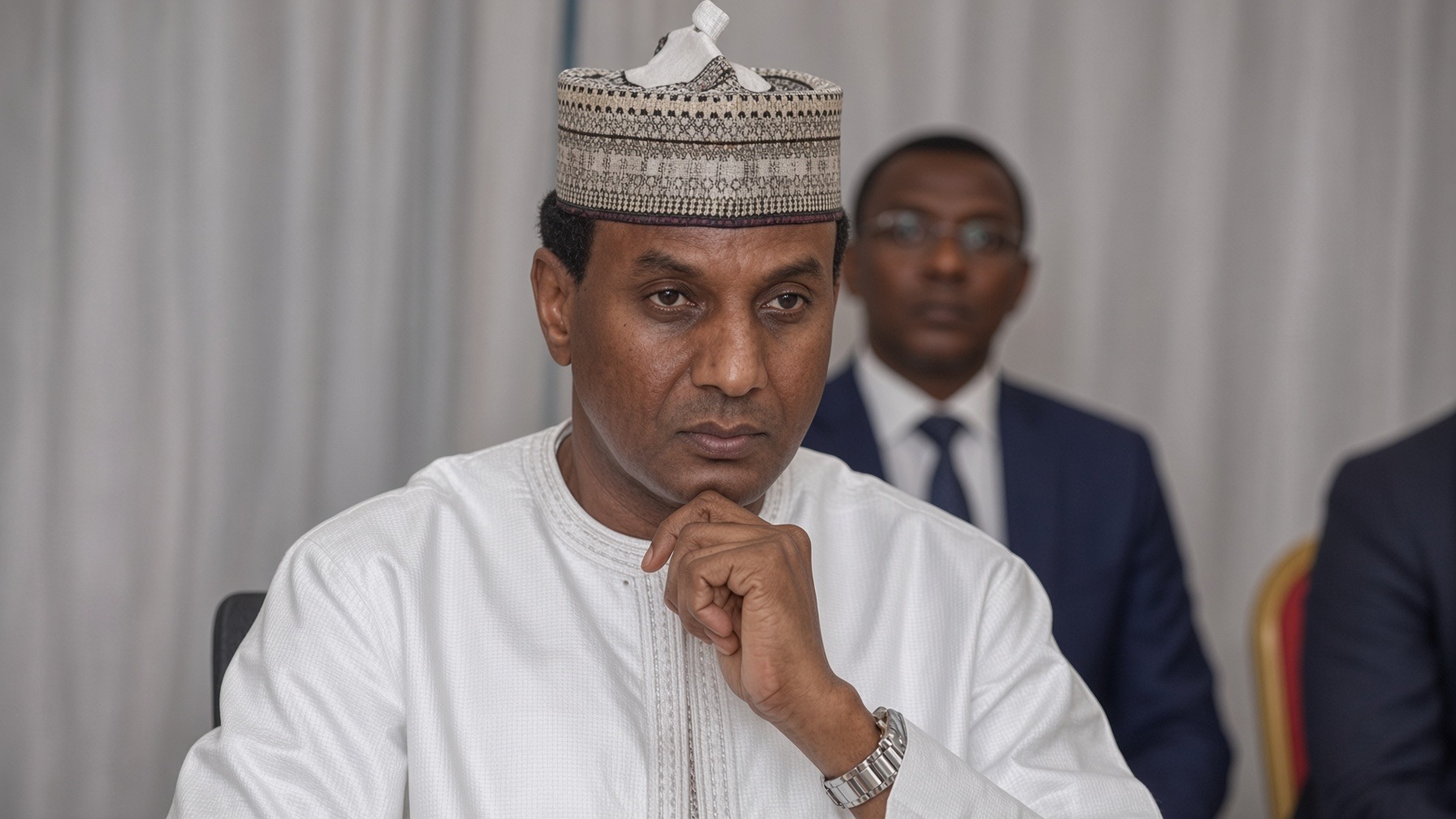
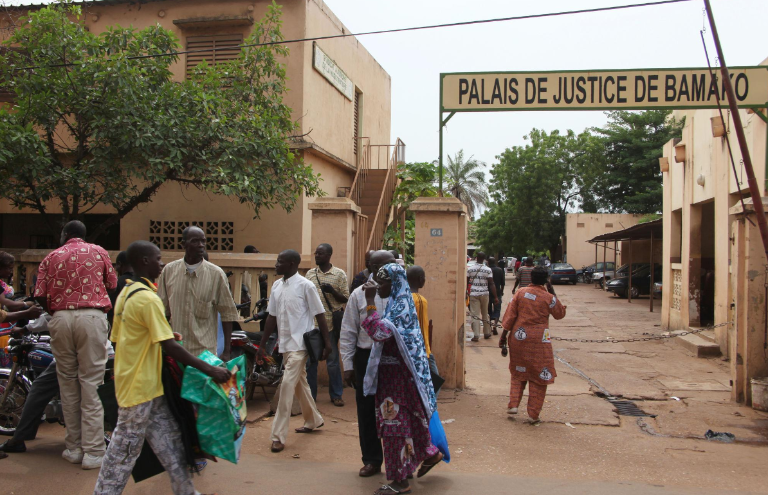
The minister also addressed concerns over the withdrawal of Mali, Burkina Faso, and Niger from ECOWAS, warning of the risks to regional integration and freedom of movement. « Despite political disagreements, our people remain siblings, our economies are intertwined, and free movement is a shared heritage that must be safeguarded, » he declared. He urged participants to produce actionable recommendations, culminating in a policy paper to guide future cooperation.
Confronting xenophobia on both sides
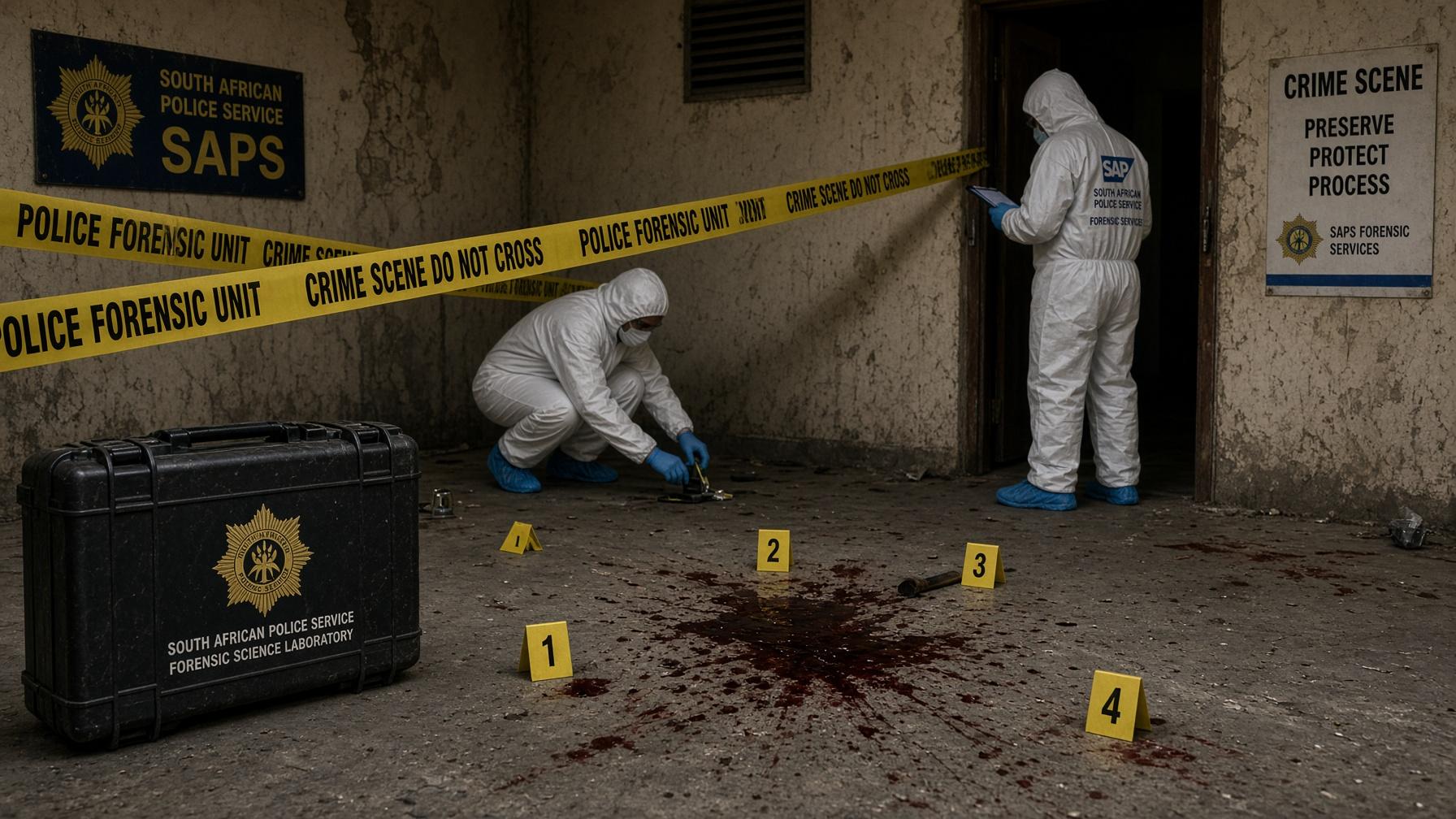
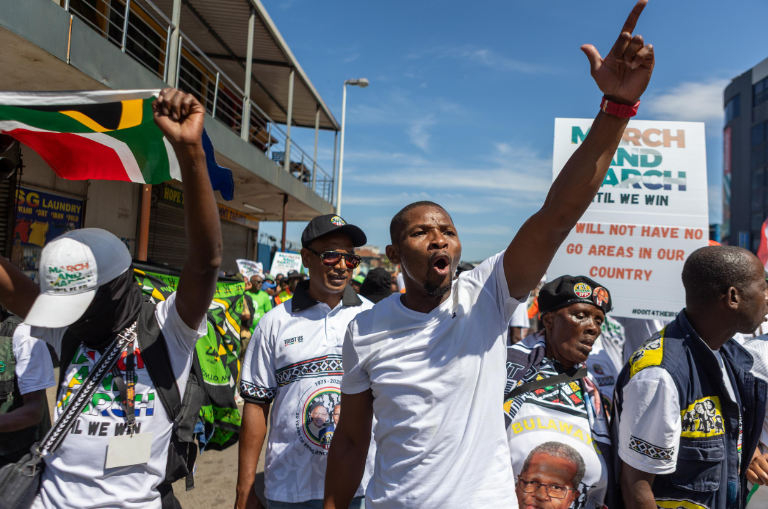
Alexandra Heldt expanded the debate by condemning the rise of xenophobic rhetoric in both Africa and Europe. She pointed to recurring migrant-targeted violence in South Africa since 2008 as a stark reminder of the human cost of such discourse. « No nation can build a prosperous future by blaming migrants for its economic challenges, » she argued. She also highlighted Europe’s paradoxical stance—where labor shortages coexist with growing anti-immigration sentiment. « Migration fuels exchange, innovation, and entrepreneurship. It builds bridges, not walls, » she emphasized.
A call for balanced, trust-based partnerships
Both leaders advocated for an Africa-Europe partnership rooted in mobility, shared responsibility, and liberal values. Heldt urged decision-makers to shift the conversation « from fear to trust, from rejection to cooperation. » Touré reinforced this vision, concluding that « hospitality is not weakness—it is strength and sound policy, » positioning migration as a catalyst for inclusive development.
The forum continued with expert-led panels exploring the legal, geopolitical, and human dimensions of migration, fostering a space for constructive dialogue and forward-looking solutions.