The Washington-backed peace deal between Kinshasa and Kigali faces mounting obstacles. In North and South Kivu, renewed clashes over key territories are escalating, despite international sanctions and U.S. diplomatic pressure.
Signed on June 27, 2025, the accord—dubbed the ‘Washington Agreement’—set a July 15 deadline for Rwanda to withdraw its troops from eastern Democratic Republic of Congo (DRC). These forces have been supporting the Congolese politico-military group Alliance du fleuve Congo/M23 (AFC/M23), which still controls most of North and South Kivu. The pact also included other critical provisions, yet progress remains stalled.
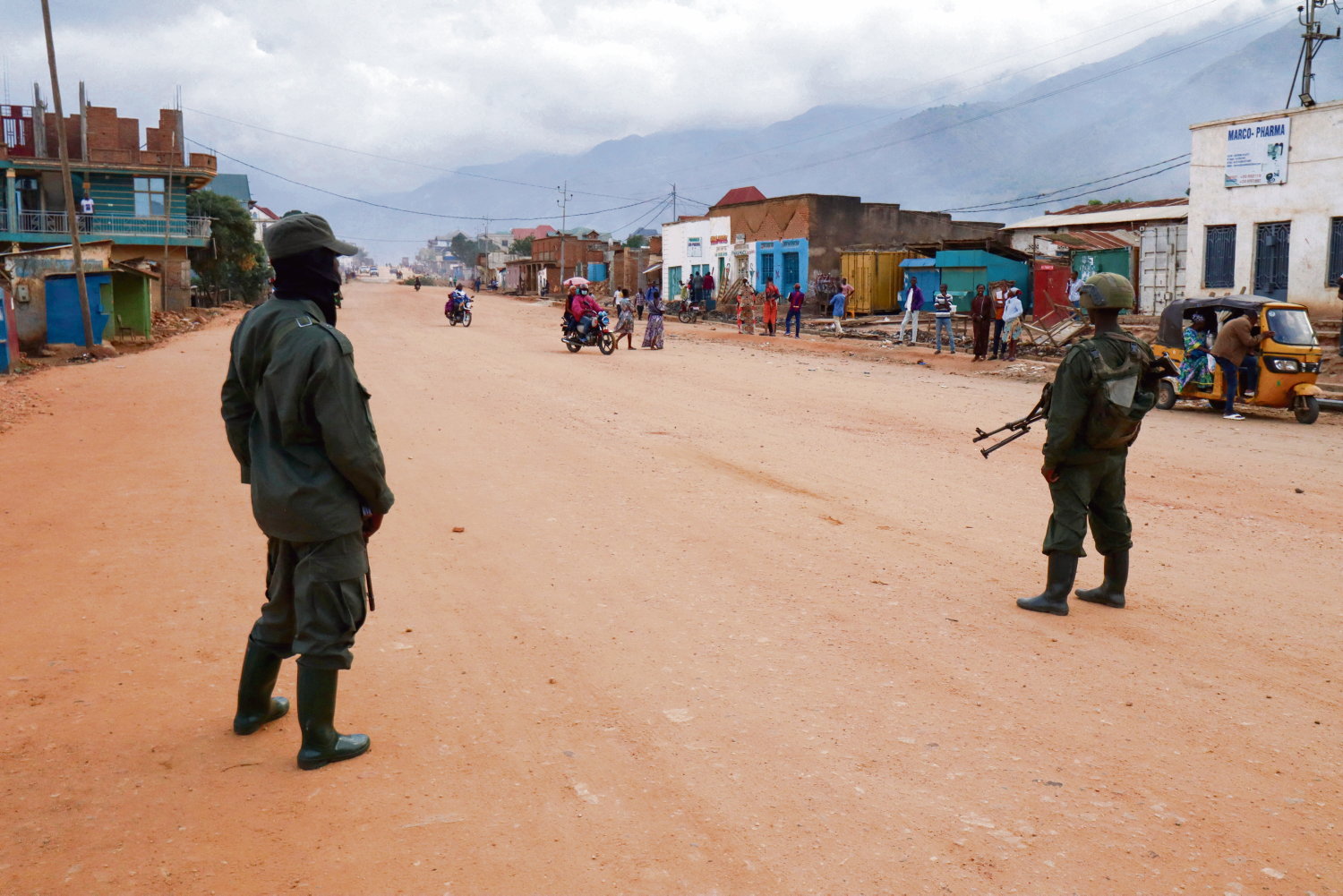
Despite assurances from U.S. officials, including Secretary of State Marco Rubio, that implementation would begin mid-July, the situation has deteriorated further. Fighting has intensified across eastern DRC, with civilians bearing the brunt of the violence.
Military stalemate and diplomatic deadlock
The agreement’s failure to curb hostilities highlights the limitations of international mediation. Sanctions imposed on regional actors have proven ineffective, while conflicting geopolitical interests continue to undermine peace efforts. Local militias and foreign-backed groups vie for control over mineral-rich zones, perpetuating a cycle of instability.
Analysts warn that without a unified regional approach, the crisis will deepen, leaving communities trapped in a worsening humanitarian crisis.
Humanitarian toll amid escalating violence
The renewed clashes have displaced thousands, with aid organizations struggling to deliver critical supplies. Hospitals and schools are frequently caught in crossfire, exacerbating an already dire situation.
International aid agencies report rising food insecurity and disease outbreaks, compounded by restricted access to conflict zones. The U.N. and regional blocs have called for an immediate ceasefire, but no tangible steps have materialized.