Benin’s evolving political landscape: women stepping into leadership
The appointment of Captain Elvire Toupé as aide-de-camp to Benin’s President Romuald Wadagni has been met with widespread approval. This historic decision follows her swearing-in ceremony and the first Council of Ministers meeting on May 28, marking a significant moment in the country’s political narrative.
Captain Toupé, previously serving in the Republican Guard, now holds a position traditionally held by male officers since Benin’s independence on August 1, 1960. Her appointment underscores a gradual yet deliberate shift toward greater gender representation in the country’s political and military spheres.
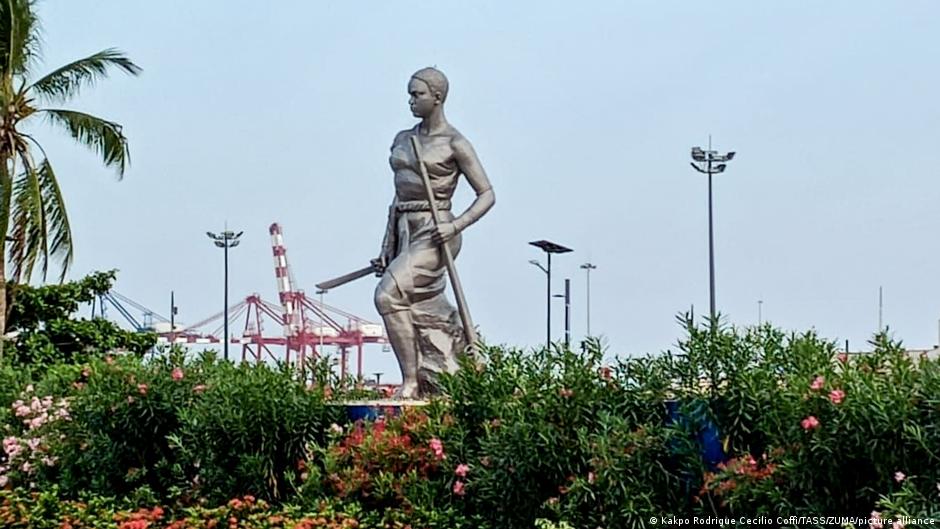
Echoes of Dahomey’s legendary warriors
Journalist Wuldath Moussa Mama draws parallels between Captain Toupé’s role and the Agodjié, the elite female warriors of the Dahomey Kingdom who were later dubbed “Amazons” by European colonizers. This comparison highlights a long-overdue recognition of women’s contributions to Benin’s history and governance.
“This appointment isn’t just symbolic—it’s a powerful reminder of the Agodjié and their legacy. It raises a critical question: Is this an isolated breakthrough or the beginning of a broader movement to empower women in decision-making roles?” she reflects.
Challenges remain in political representation
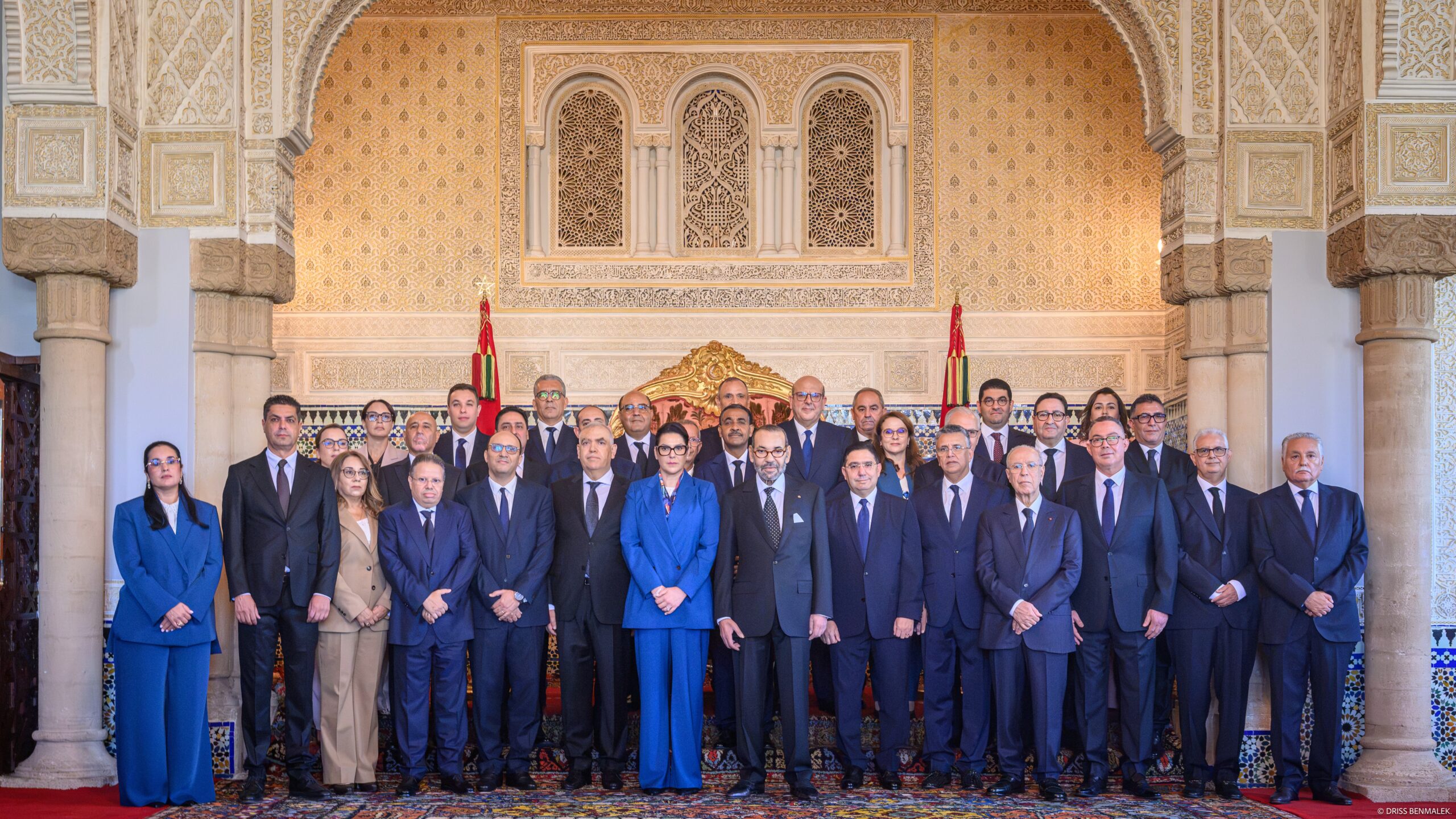
While progress is evident, women’s participation in Benin’s political arena still falls short of full parity. The current administration under President Wadagni includes six women in key ministerial positions, such as Foreign Affairs, Higher Education, and Social Action. This represents a slight increase from the previous government, which had five women among 23 members.
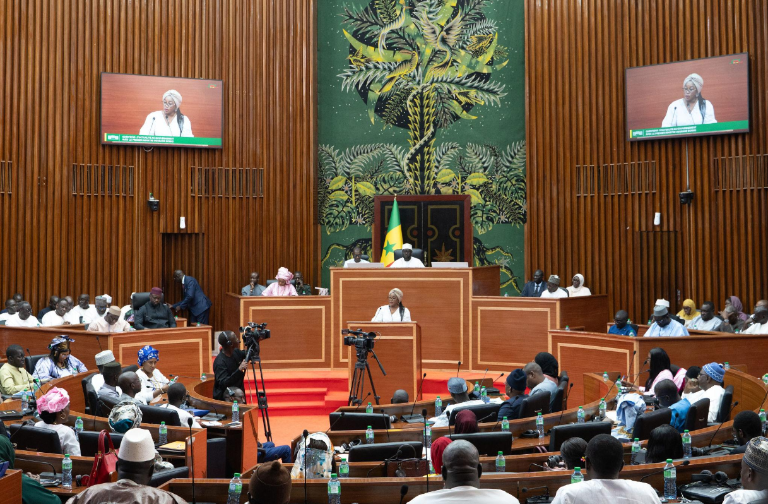
The legislative branch reflects a similar trend. In the 10th legislature, established in February 2026, women hold 28 of the 109 seats—25.7% of the total. While this matches the previous term’s figures, it underscores persistent barriers. The electoral code mandates one reserved seat per constituency for women, resulting in 24 of the 28 female deputies being elected through this quota. The remaining four secured their positions independently.
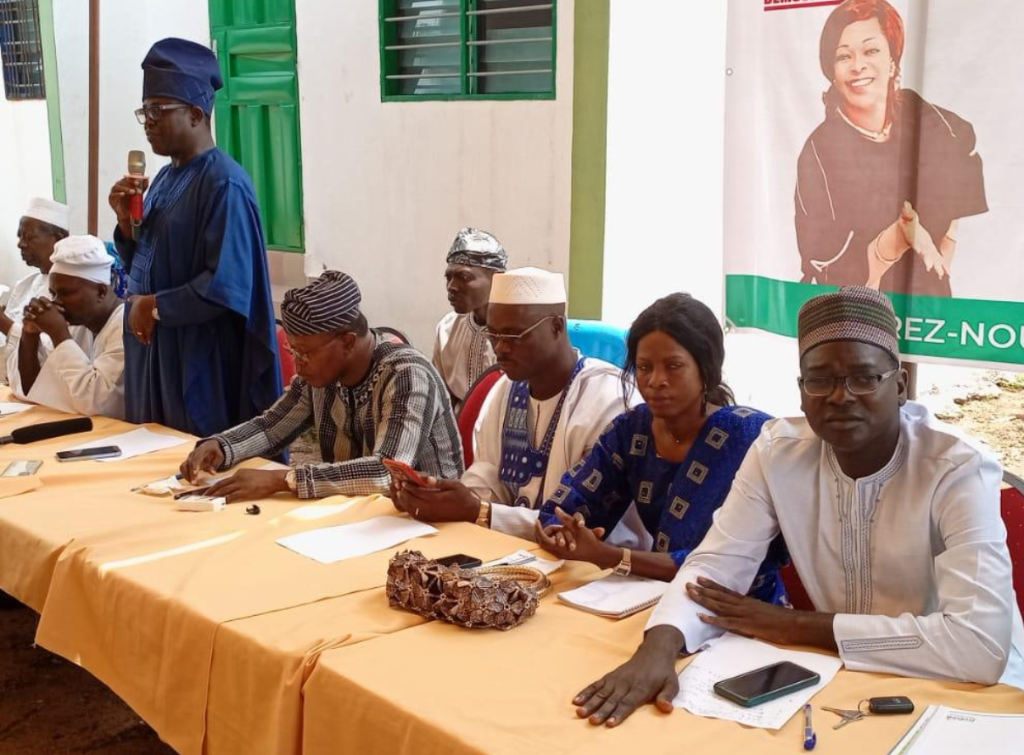
Wuldath Moussa Mama emphasizes that the issue extends beyond quotas. “The real challenge lies within political parties themselves. Their structures and training programs often fail to create equitable opportunities for women to rise through the ranks,” she explains.
Symbolic progress and the path forward
The Vice Presidency, held by Mariam Chabi Talata Zimé Yérima since 2021, serves as another symbolic milestone. While her role is largely ceremonial under the Constitution, it represents a tangible step toward gender inclusivity in national leadership.
Analyst Régis Hounkpè views these developments as part of a broader cultural shift. “Women like the Amazons of Dahomey embody resilience and leadership. Today’s appointments inspire young Béninoises to envision themselves in roles of influence, both in their communities and at the highest levels of government.”
As Benin continues to navigate its political evolution, the inclusion of women in leadership roles—whether in the military, government, or legislature—signals a promising, if still incomplete, transformation toward a more equitable society.