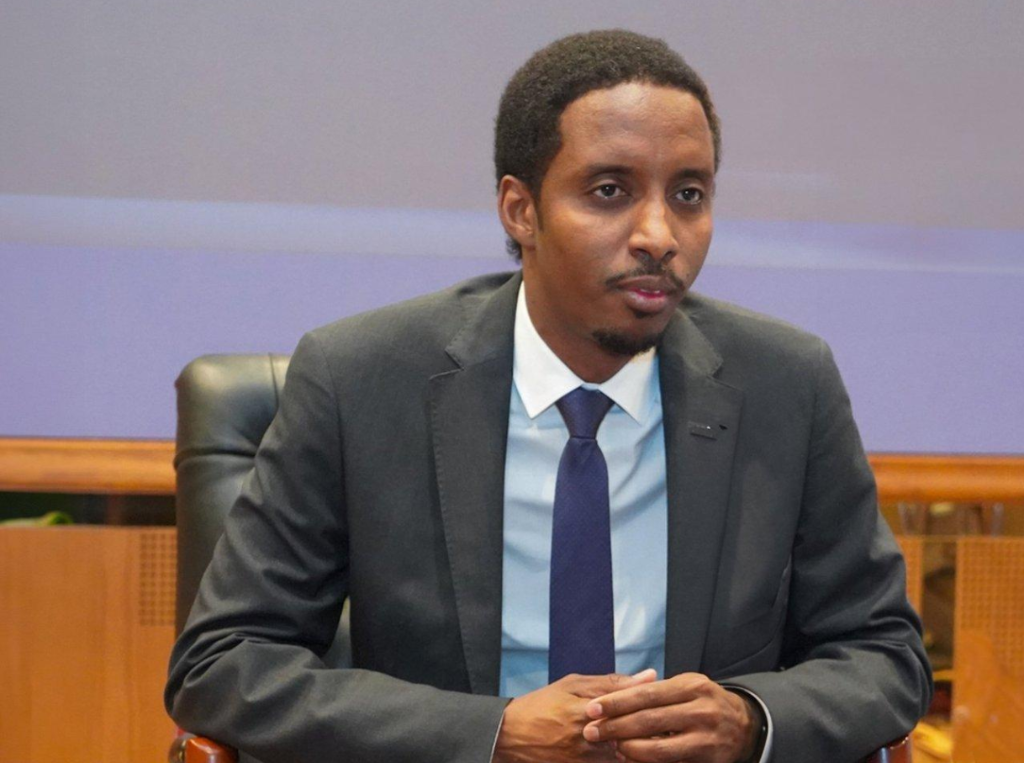
Filmmaker Jean-Pierre Bekolo: “Cameroon is already spiraling into chaos without Paul Biya”
In a recent op-ed, the acclaimed director paints a stark picture of a nation unraveling at the seams once the long-standing leader departs the political stage.
Bekolo’s stark warning: Cameroon’s future without Biya
In a recent op-ed that has ignited national debate, filmmaker Jean-Pierre Bekolo delivers a sobering assessment of Cameroon’s trajectory once President Paul Biya departs the political scene. The director argues that the nation is already experiencing the early tremors of this transition, with contestation permeating media narratives, social platforms, and behind-the-scenes power struggles. The factions currently jockeying for influence, he warns, are merely biding their time before escalating their confrontations.
A nation held together by one man’s authority
Bekolo contends that despite his advanced age and prolonged absences, President Biya’s symbolic authority has remained the unifying force holding Cameroon’s fractured political landscape together. “As Biya’s grip on power weakens, the facade of legitimacy crumbles for those who claim to govern in his stead,” he writes. Every passing day reveals new examples of officials—nominally at the helm of state institutions—who command neither respect nor public trust.
The Cameroonian public is increasingly questioning the roles played by presidential family members, inner circles, and influential networks in the mismanagement of national resources. These groups, Bekolo argues, have positioned themselves above the Republic itself, fostering a perception that they wield more power than the country’s formal institutions.
Each revelation—whether it’s a Minister of Mines denying state ownership of gold reserves or a Constitutional Council accused of validating political deceit—reinforces a single, unsettling truth: a Cameroon without Paul Biya is a Cameroon spiraling toward chaos.
The erosion of trust in state institutions
The public’s growing disillusionment extends to ministries that have become virtually invisible in addressing citizens’ daily struggles, even as their leaders cling to the privileges of office. Questions mount over the prolonged tenures of state-owned enterprise leaders and the constitutional maneuvers—such as the creation of a vice-presidential role through a reform passed by expired legislators—that blur the lines between presidential authority and shadow governance.
Individually, these issues may spark debate. Collectively, they reveal a systemic collapse. Without Biya, no individual or institution can claim the moral authority to unite a deeply divided nation. The rivalries currently confined to behind-the-scenes machinations and media battles will inevitably erupt into open conflict.
The inevitability of chaos—and the path forward
Bekolo warns that those who believe they can inherit power through decree or backroom deals will soon confront the harsh reality of a nation unraveling at the seams. “The future of Cameroon is alarmingly clear,” he states. The country is already mired in a permanent state of contestation, with dissent spreading across digital platforms and elite rivalries intensifying. The transition from covert power struggles to overt confrontation—potentially including violent clashes—is not a distant threat but an imminent reality.
Institutions, already paralyzed by internal divisions, will fail to mediate these conflicts. Financial systems will destabilize as succession battles rage, public finances deteriorate, and every decision—from appointments to policy—becomes a flashpoint for dispute. The chaos will not stem from the opposition or external forces; it will erupt from the exhaustion of a system that cannot function without Biya.
A call for responsible departure
In light of this precarious moment, Bekolo issues a bold challenge to Cameroon’s political elite: “Those who have served their time, given what they can, and recognize their inability to address the nation’s needs must have the courage to step aside—not in humiliation, but in historic responsibility.”
The filmmaker advocates for a limited-term transitional government tasked with rebuilding trust, overhauling institutions, and establishing credible electoral rules. This, he argues, is the only path to avert collapse and ensure a peaceful transition. Any attempt to prolong the current system through covert maneuvers or shadowy deals risks deepening the crisis and placing the nation’s future in peril.
In Bekolo’s view, the choice is stark: embrace a structured transition or face the consequences of an unchecked descent into chaos. The latter, he warns, will leave no faction unscathed and no legacy untainted.